What to Do About Leaves Falling Over on Your Lady Slipper 🥿
Paphiopedilum barbatum
By the Greg Editorial Team
Oct 04, 2024•5 min read
This article was created with the help of AI so we can cover more plants for you. May contain errors. See one? Report it here.
Transform your Lady Slipper's health 🌱 with expert tips to diagnose and revive your orchid's vitality!
- 💧 Overwatering or underwatering? Check for yellow leaves or dry edges to diagnose.
- 🌞 Lady Slippers need bright, indirect light; too much can cause leaf burn.
- 🌱 Nutrient deficiencies can droop leaves; test soil to adjust fertilization effectively.
Diagnosing the Problem
🌧️ Signs of Overwatering vs. Underwatering
Understanding whether your Lady Slipper is overwatered or underwatered is crucial for its health.
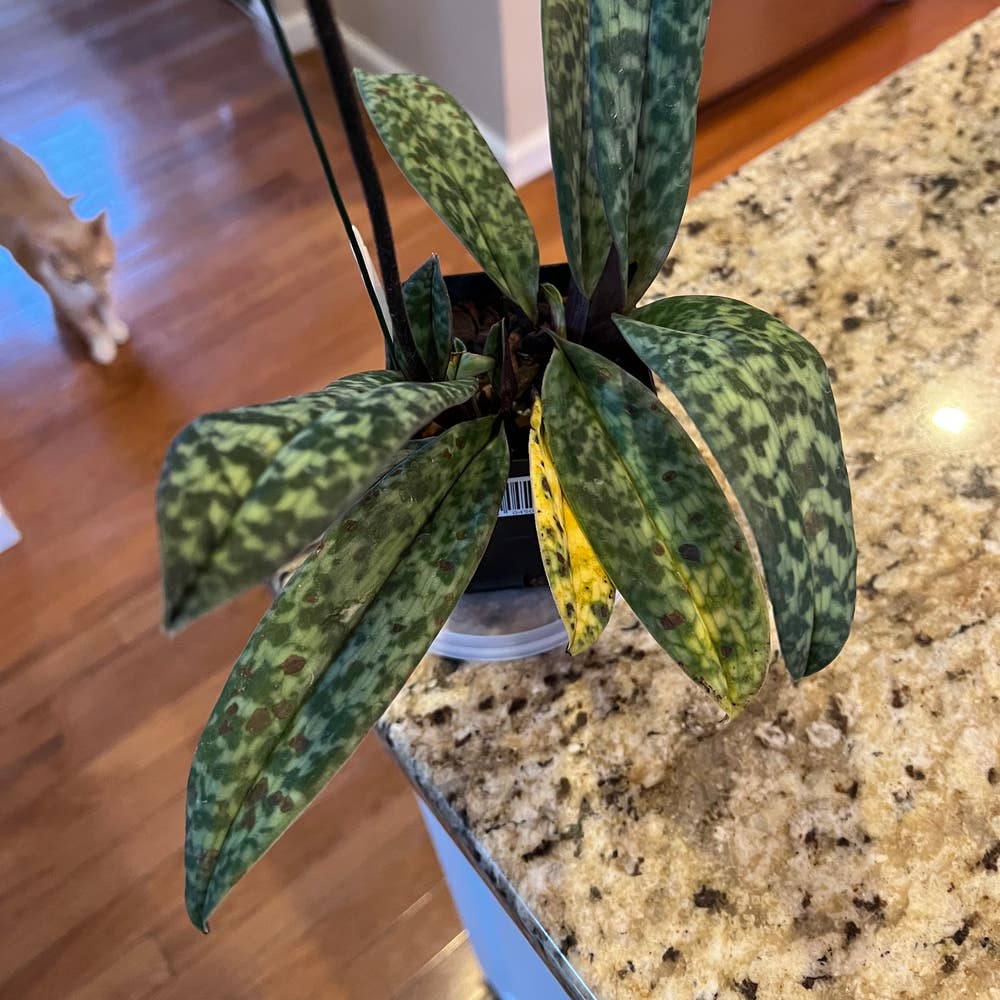
Overwatering indicators include yellowing leaves, mushy or blackened roots, and consistently wet soil.
In contrast, underwatering signs manifest as dry, crispy leaf edges, leaf curling or drooping, and soil pulling away from the pot edges.
🥦 Identifying Nutrient Deficiencies
Nutrient deficiencies can also lead to drooping leaves.
Common deficiencies include:
- Nitrogen: Look for yellowing leaves and stunted growth.
- Phosphorus: Dark green leaves with purple undertones indicate a lack.
- Potassium: Leaf tip burn and browning suggest potassium deficiency.
Testing your soil for nutrient levels can help you adjust fertilization accordingly.
💡 Assessing Light Conditions
Light conditions play a significant role in the health of your Lady Slipper.
The ideal setup is bright, indirect light.
If your plant shows signs of inadequate light, such as leggy growth or pale leaves, it may need more exposure.
Conversely, excessive light can lead to leaf burn and faded colors, so finding the right balance is key.
With these diagnostic tools, you can better understand what your Lady Slipper needs to thrive.
Next, let’s explore effective solutions for leaf droop.
Solutions for Leaf Droop
🌊 Adjusting Watering Practices
To revive your Lady Slipper, start by determining the right watering frequency. Water the plant when the top inch of soil feels dry, ensuring it gets just the right amount of moisture.
Next, use well-draining potting media to prevent water retention. This helps avoid soggy roots, which can lead to serious issues.
Lastly, ensure your pots have drainage holes. This simple step can prevent root rot, allowing your plant to thrive.
🌱 Fertilization Tips for Lady Slipper
A balanced orchid fertilizer is key to keeping your Lady Slipper healthy. Aim to fertilize every 4-6 weeks during the growing season for optimal growth.
Watch for signs of over-fertilization, such as leaf burn or salt buildup on the pot surface. Adjust nutrient ratios based on any deficiencies you identify to keep your plant in top shape.
🌿 Repotting Techniques to Improve Drainage
Repotting is essential for maintaining your plant's health. Do this every 1-2 years or when you notice your Lady Slipper is root-bound.
Choose a potting mix designed for orchids, ideally containing bark and perlite. This mix promotes good drainage and aeration.
When repotting, gently remove the plant from its pot. Trim any dead or damaged roots before placing it in a new pot with fresh potting mix.
By following these solutions, you can help your Lady Slipper regain its vigor and beauty. Next, let’s explore preventative measures to keep your plant thriving in the long run.
Preventative Measures
Ideal Growing Conditions for Lady Slipper 🌱
To keep your Lady Slipper thriving, aim for a temperature range of 15°C to 25°C (59°F to 77°F). This temperature balance is crucial for healthy growth.
Humidity levels should hover between 50% and 70%. This moisture range helps maintain optimal leaf health and prevents stress.
For soil, choose a rich, organic, well-draining mix. This ensures that your plant gets the nutrients it needs without the risk of root rot.
Seasonal Care Adjustments 🌦️
As the seasons change, so should your care routine. During the active growth period in spring and summer, increase your watering frequency.
Conversely, reduce watering during the dormancy of fall and winter. This adjustment helps prevent overwatering when your plant is less active.
Keep an eye on light exposure as the seasons shift. Your Lady Slipper may need more or less light depending on the time of year.
Regular Maintenance Practices 🧹
Regularly check your plant for signs of stress or droop. Early detection can save your Lady Slipper from more serious issues down the line.
Cleaning the leaves is also essential. Dust buildup can hinder photosynthesis, so a quick wipe can make a significant difference in your plant's health.
By following these preventative measures, you can create a nurturing environment for your Lady Slipper. This proactive approach will set the stage for a flourishing plant.
Next, let’s explore how to monitor and maintain your Lady Slipper effectively.
Monitoring and Maintenance
🐛 How to Check for Pests and Diseases
Lady Slipper orchids can fall victim to a few common pests. Keep an eye out for aphids, mealybugs, and spider mites, as they can wreak havoc on your plant.
Signs of an infestation include sticky residue on leaves, webbing, or the presence of visible insects. Regular checks can help you catch these issues early.
🍃 Importance of Leaf Inspection
Inspecting your Lady Slipper's leaves is crucial for maintaining its health. Look for discoloration, drooping, or spots, as these can indicate underlying problems.
Early detection can prevent larger issues down the line, saving you time and effort in the long run.
🩺 When to Seek Professional Help
Sometimes, despite your best efforts, problems persist. If you notice persistent leaf droop even after making care adjustments, it may be time to consult a professional.
Severe pest infestations or disease symptoms are also signs that you should seek help. Look for a local orchid specialist or extension service to get the assistance you need.
By staying vigilant and proactive, you can keep your Lady Slipper thriving and beautiful. Next, let’s explore some preventative measures to ensure your plant remains in top shape.
⚠️ Safety First
This content is for general information and may contain errors, omissions, or outdated details. It is not medical, veterinary advice, or an endorsement of therapeutic claims.
Always consult a qualified healthcare professional before using any plant as food, medicine, or supplement.
Never eat any plant (or feed one to pets) without confirming its identity with at least two trusted sources.
If you suspect poisoning, call Poison Control (800) 222-1222, the Pet Poison Helpline (800) 213-6680, or your local emergency service immediately.
Spotted an error? Please report it here.
Keep your Lady Slipper thriving 🌼 by using Greg's tailored watering alerts and nutrient tips to prevent droopy leaves and create a flourishing environment!