🌸 How to Fix Curling Leaves on Your Lady Slipper
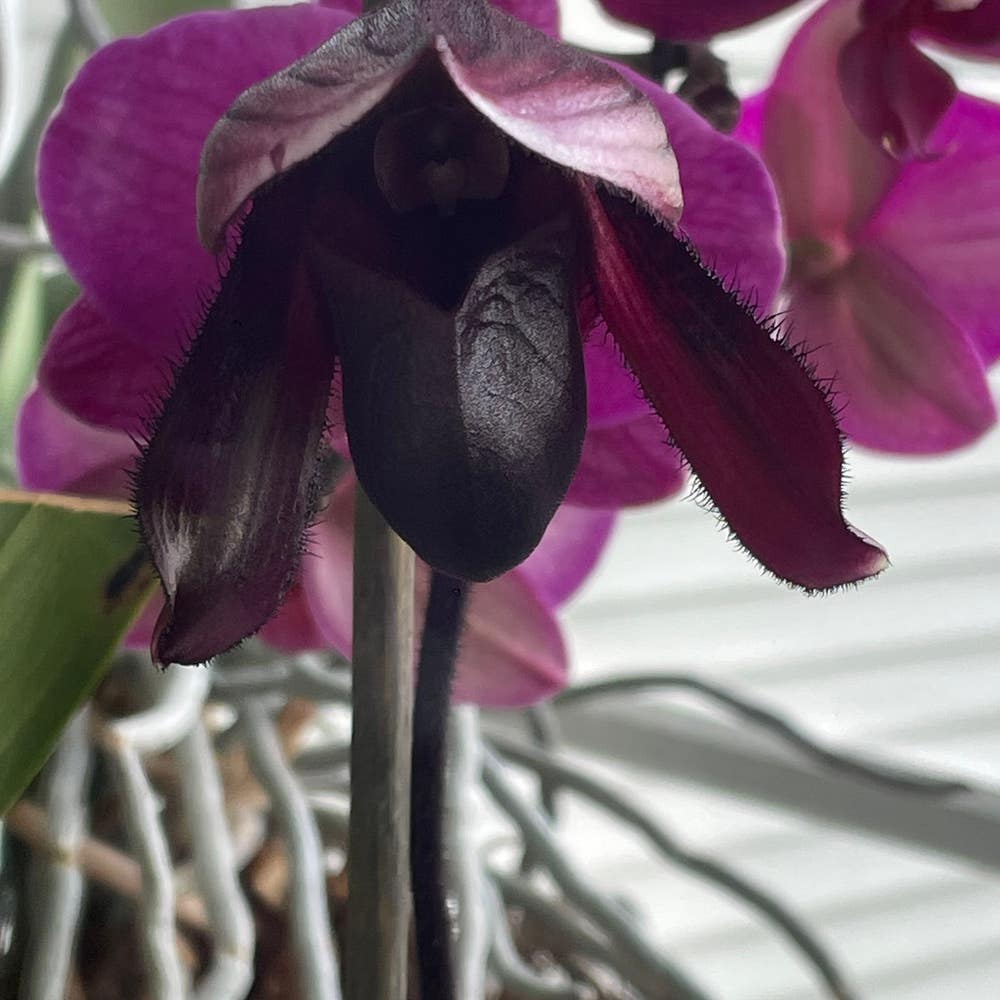
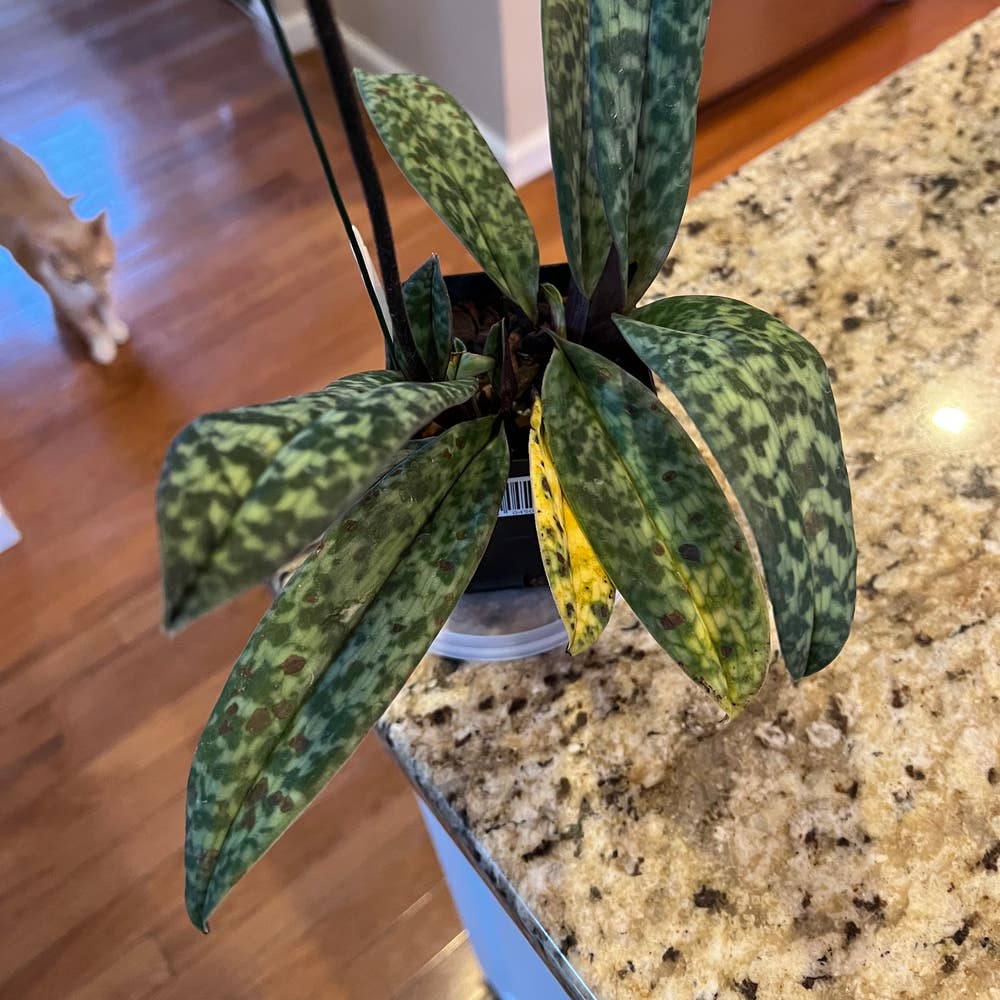
Paphiopedilum barbatum
By the Greg Editorial Team
Oct 04, 2024•5 min read
This article was created with the help of AI so we can cover more plants for you. May contain errors. See one? Report it here.
Revive your Lady Slipper's beauty 🌱 by mastering simple tips to prevent and treat leaf curling!
- 🌡️💧 Curling leaves result from environmental stressors like temperature and humidity fluctuations.
- 🌱 Balanced watering and nutrients are essential to prevent leaf curling in Lady Slippers.
- 🐛 Pest detection is crucial; early intervention keeps your Lady Slipper healthy and vibrant.
Common Causes of Leaf Curling
🌪️ Environmental Stressors
Leaf curling in Lady Slippers often stems from environmental stressors. Temperature fluctuations, low humidity, and inadequate light can all contribute to this issue.
Maintaining a stable environment is crucial. Aim for temperatures between 60°F and 75°F, and ensure humidity levels stay between 50-70%.
💧 Watering Issues
Watering practices play a significant role in leaf health. Both overwatering and underwatering can lead to curling leaves.
Overwatering can suffocate roots, while underwatering causes stress. Striking the right balance is key to keeping your Lady Slipper thriving.
🥦 Nutrient Deficiencies
Nutrient deficiencies can also lead to poor leaf health. A lack of essential nutrients, such as nitrogen, phosphorus, and potassium, can cause leaves to curl and discolor.
Regularly check your fertilization routine to ensure your plant is getting what it needs. A balanced approach will promote lush, healthy foliage.
🐜 Pest Infestations
Pest infestations are another common culprit behind curling leaves. Aphids, spider mites, and scale insects can wreak havoc on your Lady Slipper.
Look for signs like webbing, sticky residue, or visible insects on the leaves. Early detection is vital for effective treatment and maintaining plant health.
Understanding these common causes will help you diagnose and address leaf curling effectively. Next, let’s explore how to diagnose the problem accurately.
Diagnosing the Problem
Assessing Environmental Conditions 🌿
To keep your Lady Slipper thriving, start by checking the environmental conditions. Aim for humidity levels between 50-70% to create a comfortable atmosphere for your plant.
Temperature is also crucial. Ideally, maintain a range of 60°F to 75°F (15°C to 24°C) for optimal growth.
Light requirements vary; Lady Slippers prefer filtered sunlight rather than direct exposure, which can scorch their delicate leaves.
Checking for Pests and Diseases 🐛
Next, inspect your plant for common pests. Aphids, spider mites, and scale insects can wreak havoc on your Lady Slipper's health.
Look for signs of infestation, such as webbing, sticky residue, or visible insects on the leaves. Additionally, be aware of diseases like root rot and fungal infections that can lead to leaf curling.
Evaluating Watering Practices 💧
Proper watering techniques are essential for your plant's well-being. Pay attention to how often and how much you water.
Signs of overwatering include soggy soil, root rot, and yellowing leaves. Conversely, underwatering manifests as dry soil, crispy leaf edges, and wilting.
By diagnosing these issues, you can take the necessary steps to restore your Lady Slipper to its vibrant self. Next, let’s explore effective solutions for curling leaves.
Solutions for Curling Leaves
🌫️ Adjusting Humidity Levels
Humidity plays a crucial role in the health of your Lady Slipper. To boost humidity, consider using a humidity tray filled with water and pebbles, misting the leaves regularly, or investing in a humidifier.
Aim for humidity levels between 50-70% for optimal growth. This range helps prevent leaf curling and keeps your plant thriving.
💧 Correcting Watering Techniques
Proper watering is essential for your Lady Slipper's well-being. Follow this simple step-by-step guide:
- Check soil moisture by inserting your finger 1-2 inches deep.
- Water thoroughly until excess drains from the bottom.
- Allow the top inch of soil to dry out before the next watering.
This method ensures your plant receives the right amount of moisture without the risk of overwatering.
🐛 Treating Pests and Diseases
Pests can wreak havoc on your Lady Slipper, leading to curling leaves. Use organic pest control methods like neem oil or insecticidal soap to combat infestations.
For diseases, remove any affected leaves and improve air circulation around the plant. In severe cases, consider using fungicides to protect your plant's health.
🌱 Nutrient Management and Fertilization
Balanced fertilization is key to preventing nutrient deficiencies. Look for NPK ratios suitable for Lady Slipper, ensuring your plant gets the essential nutrients it needs.
A recommended fertilization schedule is every 4-6 weeks during the growing season. This regular feeding will help maintain vibrant, healthy leaves.
By addressing humidity, watering, pests, and nutrients, you can effectively combat curling leaves on your Lady Slipper. Next, let’s explore preventative measures to keep your plant healthy year-round.
Preventative Measures
Best Practices for Lady Slipper Care 🌱
Regularly monitoring environmental conditions is crucial for your Lady Slipper's health. Keep an eye on humidity, temperature, and light to create the ideal growing environment.
Using a well-draining potting mix is equally important. This prevents root issues that can lead to leaf curling and other problems.
Seasonal Care Tips 🍂
Adjust your care practices with the changing seasons. For instance, increase humidity levels during winter to combat dry indoor air.
In the fall, reduce watering to match the plant's slower growth rate. This simple adjustment can make a significant difference.
Monitoring Plant Health Regularly 🔍
Routine inspections are vital for early detection of issues. Look for signs of stress or pests to address problems before they escalate.
Keeping a care journal can help you track changes in plant health and environmental conditions. This practice not only enhances your gardening skills but also fosters a deeper connection with your Lady Slipper.
By implementing these preventative measures, you can ensure your Lady Slipper thrives and remains vibrant. Next, let’s explore specific solutions for curling leaves to keep your plant in top shape.
⚠️ Safety First
This content is for general information and may contain errors, omissions, or outdated details. It is not medical, veterinary advice, or an endorsement of therapeutic claims.
Always consult a qualified healthcare professional before using any plant as food, medicine, or supplement.
Never eat any plant (or feed one to pets) without confirming its identity with at least two trusted sources.
If you suspect poisoning, call Poison Control (800) 222-1222, the Pet Poison Helpline (800) 213-6680, or your local emergency service immediately.
Spotted an error? Please report it here.
Keep your Lady Slipper thriving 🌿 by using Greg's tailored reminders for watering and nutrients, ensuring you tackle those curling leaves with confidence!