🍂 Ultimate Guide to Fixing Dropping Leaves on Lady Slipper
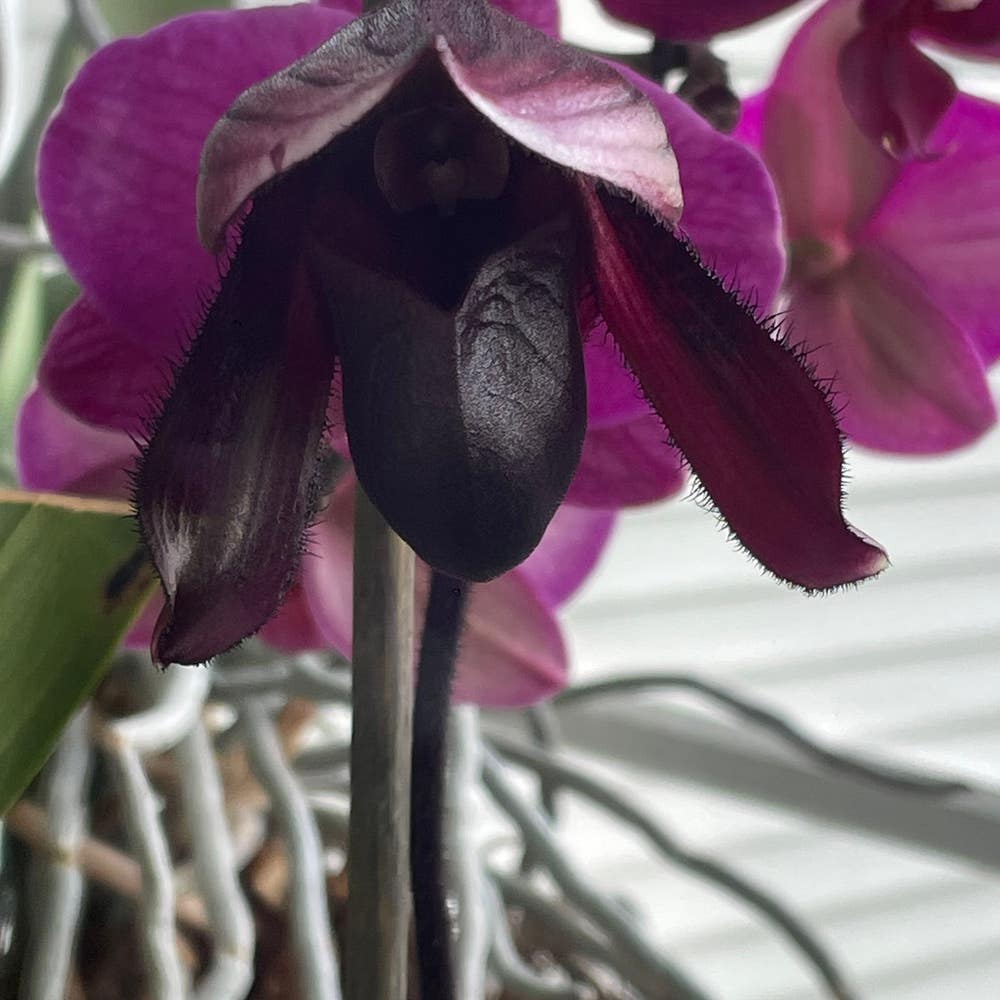
Paphiopedilum barbatum
By the Greg Editorial Team
Oct 04, 2024•5 min read
This article was created with the help of AI so we can cover more plants for you. May contain errors. See one? Report it here.
Transform your Lady Slipper's health 🌱 with essential tips to diagnose and prevent leaf drop for vibrant growth!
- 💧 Water when the top inch is dry, typically every 1-2 weeks for health.
- 🌞 Lady Slippers need 50-70% shade; too much sun scorches leaves.
- 🐛 Inspect for pests regularly; aphids and mites can cause leaf drop.
Diagnosing the Problem
Assessing Watering Practices 🌊
Understanding how often to water your Lady Slipper is crucial. Ideally, you should water when the top inch of soil feels dry, typically every 1-2 weeks.
To check soil moisture, insert your finger into the soil. If it feels dry at your fingertip, it’s time to water.
Evaluating Light Conditions ☀️
Lady Slippers thrive in 50-70% shade. Too much direct sunlight can scorch their leaves, while too little can stunt their growth.
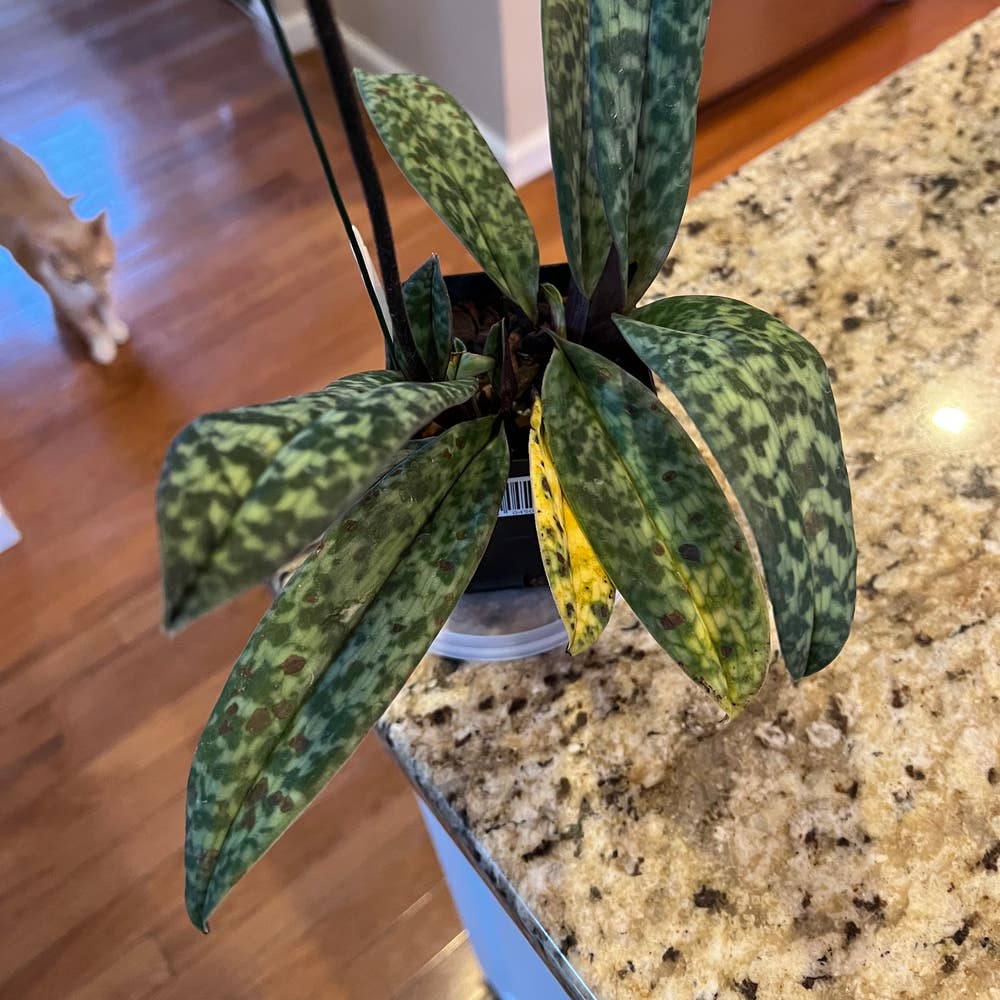
Watch for signs of light issues: yellowing leaves may indicate too much sun, while leggy growth suggests insufficient light.
Checking Humidity Levels 💧
Humidity plays a significant role in the health of your Lady Slipper. Use a hygrometer to measure humidity levels accurately.
If your home is too dry, consider placing a humidity tray filled with water and pebbles near the plant. This can help increase moisture in the air.
Identifying Pest Infestations 🐜
Common pests like aphids and spider mites can wreak havoc on your Lady Slipper. Aphids often cause curling leaves, while spider mites lead to stippling and eventual leaf drop.
To inspect for pests, look closely at the undersides of leaves and along stems. A magnifying glass can help spot these tiny invaders.
By diagnosing these key areas, you can pinpoint the root cause of your Lady Slipper's leaf drop. This understanding sets the stage for effective solutions, ensuring your plant thrives once again.
Solutions for Leaf Drop
🌊 Adjusting Watering Techniques
The right watering method can make all the difference for your Lady Slipper. A soak and dry approach is recommended; water thoroughly and then allow the soil to dry out before the next watering.
Look for signs of proper watering, such as a healthy root system and vibrant leaves. If your plant is thriving, you’ll notice lush foliage and strong growth.
☀️ Modifying Light Exposure
Light exposure is crucial for your plant's health. If your Lady Slipper isn’t getting enough light, consider moving it to a brighter location that offers 50-70% shade.
Using sheer curtains can help filter excessive sunlight. This way, your plant gets the light it needs without the risk of scorching.
💧 Increasing Humidity
Humidity plays a significant role in the well-being of your Lady Slipper. To create a humidity tray, fill a shallow dish with water and pebbles, placing your plant on top. This setup increases moisture around the roots.
Misting is another effective technique. Regularly misting the leaves can help maintain the humidity levels your plant craves.
🐛 Treating Pests and Diseases
Pests can wreak havoc on your Lady Slipper, so it's essential to stay vigilant. Organic pest control methods, like neem oil and insecticidal soap, are effective and safe options for treatment.
For disease management, identify any fungal or bacterial issues early. Prompt action can prevent further damage and keep your plant healthy.
With these solutions, your Lady Slipper will be on the path to recovery. Next, let’s explore some preventative measures to keep your plant thriving long-term.
Preventative Measures
Best Practices for Lady Slipper Care 🌱
Establishing a regular watering schedule is crucial for the health of your Lady Slipper. Aim to water consistently, allowing the soil to dry slightly between waterings to prevent root rot.
Fertilizing your Lady Slipper is equally important. Use a balanced orchid fertilizer every few weeks during the growing season to provide essential nutrients, and remember to follow the recommended timing for application.
Seasonal Care Tips 🌸
Spring is the time to prepare your Lady Slipper for growth. As temperatures rise, ensure your plant receives adequate light and moisture to kickstart its blooming cycle.
In the fall, focus on preparing your Lady Slipper for dormancy. Gradually reduce watering and fertilization to help your plant rest and rejuvenate for the next growing season.
By following these best practices and seasonal tips, you can create a thriving environment for your Lady Slipper. This proactive approach will help prevent issues like leaf drop and ensure your plant remains healthy and vibrant.
Next, we’ll explore how to monitor and maintain your Lady Slipper for ongoing health and vitality.
Monitoring and Maintenance
Regular Checks for Leaf Health 🌿
To keep your Lady Slipper thriving, conduct weekly inspections. This routine allows for early detection of any potential issues.
Look for signs of stress or disease, such as yellowing leaves or unusual spots. Catching these symptoms early can make a significant difference in recovery.
Signs of Recovery 🌱
As your plant begins to heal, you'll notice indicators of improved health. New growth and vibrant leaves are great signs that your Lady Slipper is bouncing back.
Typically, you can expect visible improvement within a few weeks. Patience is key, as recovery timelines can vary based on the initial condition of the plant.
When to Seek Professional Help 🆘
Sometimes, despite your best efforts, your Lady Slipper may need professional intervention. Signs that indicate this include persistent leaf drop or severe discoloration.
If you find yourself in this situation, consider reaching out to orchid specialists or local experts. They can provide tailored advice and solutions to get your plant back on track.
With regular monitoring and a keen eye, you can ensure your Lady Slipper remains healthy and vibrant. Next, let’s explore some preventative measures to keep your plant thriving year-round.
⚠️ Safety First
This content is for general information and may contain errors, omissions, or outdated details. It is not medical, veterinary advice, or an endorsement of therapeutic claims.
Always consult a qualified healthcare professional before using any plant as food, medicine, or supplement.
Never eat any plant (or feed one to pets) without confirming its identity with at least two trusted sources.
If you suspect poisoning, call Poison Control (800) 222-1222, the Pet Poison Helpline (800) 213-6680, or your local emergency service immediately.
Spotted an error? Please report it here.
Revive your Lady Slipper and watch it flourish 🌱 with Greg's tailored watering reminders and care tips that ensure your plant thrives in its perfect environment!