🌸 Ultimate Guide to Fixing Brown Spots on Lady Slipper
Paphiopedilum barbatum
By the Greg Editorial Team
Oct 04, 2024•5 min read
This article was created with the help of AI so we can cover more plants for you. May contain errors. See one? Report it here.
Revitalize your Lady Slipper 🌱 with essential tips to diagnose and treat common issues for vibrant blooms!
- 🌞 Bright, indirect light prevents brown spots; avoid direct sunlight exposure.
- 💧 Maintain humidity between 50-70% to prevent leaf curling and browning.
- 🐛 Monitor for pests and diseases; early detection is crucial for Lady Slipper health.
Diagnosing the Problem
🌍 Assessing Environmental Factors
Understanding the environment is crucial for your Lady Slipper's health.
Light Conditions
Lady Slippers thrive in bright, indirect light. If you notice leaf burn or brown spots, your plant may be getting too much direct sunlight.
Humidity Levels
These orchids prefer a humidity range of 50-70%. Low humidity can lead to leaf curling and brown tips, signaling that your plant needs a more humid environment.
Temperature Fluctuations
The ideal temperature for Lady Slippers is between 15°C to 25°C (59°F to 77°F). If you see wilting or browning leaves, your plant might be experiencing temperature stress.
🐛 Checking for Pests and Diseases
Pests and diseases can wreak havoc on your Lady Slipper's health.
Common Pests Affecting Lady Slipper
Aphids are small, green insects that cause leaf distortion. Spider mites leave fine webbing and stippling on leaves, indicating an infestation.
Identifying Diseases
Fungal infections often present as mold or mildew on the leaves. Bacterial infections can show up as water-soaked spots accompanied by a foul odor, signaling a need for immediate attention.
By carefully assessing these environmental factors and checking for pests and diseases, you can take the first steps toward restoring your Lady Slipper to its vibrant self. Next, let’s explore effective treatment options to tackle those pesky brown spots.
Treatment Options
Step-by-Step Guide to Treating Brown Spots 🌿
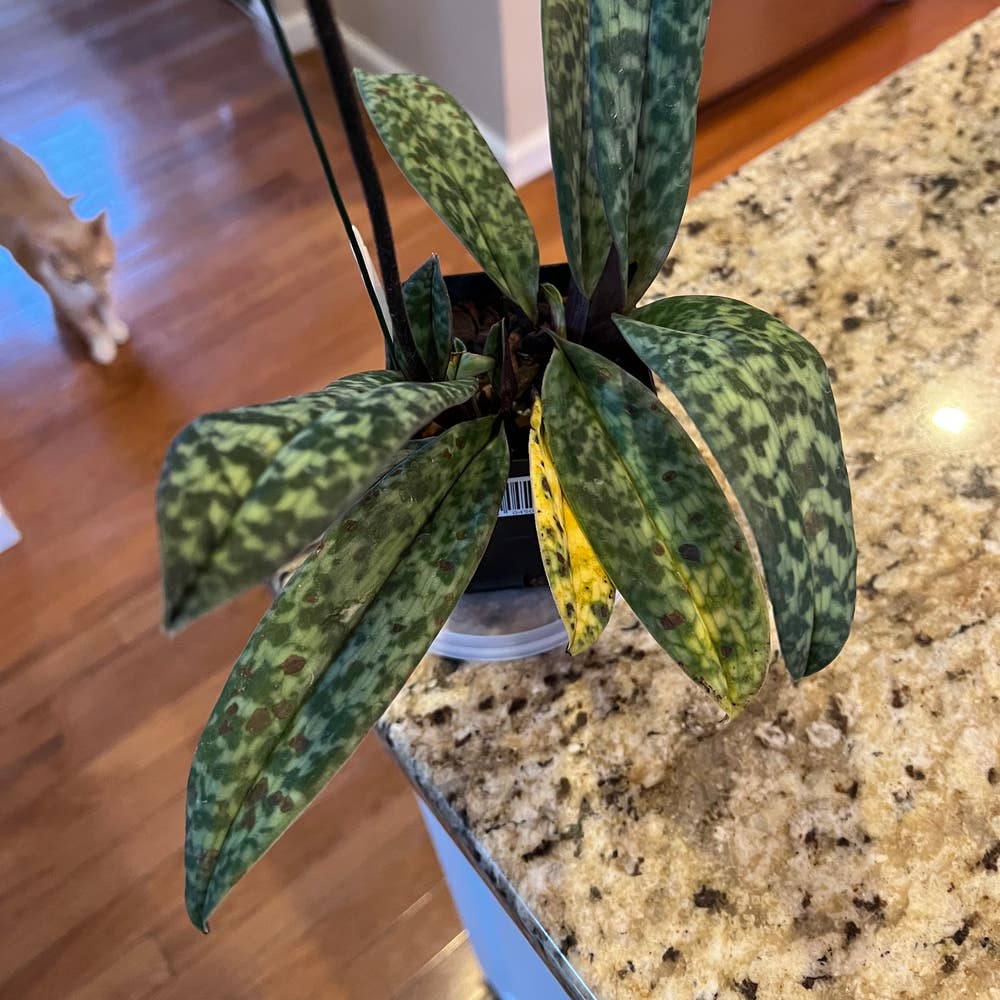
Identify the cause of brown spots: Start by examining your Lady Slipper for environmental stressors or pests.
Remove affected leaves: Use sterilized scissors to cut away any damaged foliage, preventing further spread.
Adjust watering practices: Allow the soil to dry out between waterings to avoid soggy roots.
Improve light conditions: If your plant is getting too much direct sunlight, move it to a shadier spot.
Apply fungicides if fungal infection is suspected: Consider using copper-based or systemic fungicides for effective treatment.
Recommended Fungicides and Treatments 💊
Types of fungicides:
- Contact fungicides: These are great for tackling surface infections quickly.
- Systemic fungicides: These penetrate the plant tissues, addressing deeper infections effectively.
Application methods:
- Spraying: Ensure you thoroughly coat all affected areas for maximum impact.
- Drenching: Apply fungicides to the soil to target root issues directly.
By following these steps, you can effectively manage brown spots on your Lady Slipper. Next, let’s explore preventive measures to keep your plant healthy and vibrant.
Preventive Measures
💧 Best Watering Practices for Lady Slipper
Watering your Lady Slipper is crucial for its health. Aim to water every 1-2 weeks, adjusting based on humidity levels.
Make sure to water thoroughly, allowing excess water to drain away. Watch for signs of overwatering, such as yellowing leaves or soggy soil, which can indicate trouble.
☀️ Optimal Light Conditions for Growth
Light is another key factor in keeping your Lady Slipper thriving. Ideally, it should receive 50-70% filtered sunlight.
If you notice stretched growth or pale leaves, your plant may not be getting enough light. To remedy this, consider using sheer curtains or relocating your plant to a brighter spot.
By maintaining proper watering and light conditions, you can significantly reduce the risk of brown spots and ensure a vibrant, healthy plant. Next, let’s explore how to identify nutrient deficiencies that could also affect your Lady Slipper's health.
Nutritional Needs
Identifying Nutrient Deficiencies 🌱
Understanding nutrient deficiencies is crucial for maintaining the health of your Lady Slipper.
Nitrogen deficiency often manifests as yellowing leaves and stunted growth. If you notice these symptoms, it’s time to assess your fertilization routine.
Potassium deficiency can be identified by brown leaf edges and weak stems. This nutrient is vital for overall plant strength and resilience.
Magnesium deficiency shows up as interveinal chlorosis, where the areas between leaf veins turn yellow, alongside leaf curling. Addressing these deficiencies promptly can prevent further damage.
Fertilization Tips for Healthy Leaves 🌿
To keep your Lady Slipper thriving, choose a balanced orchid fertilizer, ideally with a ratio of 30-10-10. This blend provides essential nutrients for robust growth.
Apply fertilizer every 4-6 weeks during the growing season to ensure your plant receives consistent nourishment.
For young plants, use a half-strength solution to avoid overwhelming them. Mature plants can handle full-strength applications, promoting vibrant, healthy foliage.
By staying vigilant about nutrient needs and fertilization practices, you can cultivate a flourishing Lady Slipper that brings beauty to your space.
As we move forward, let’s explore how seasonal changes can impact your care routines.
Seasonal Considerations
Adjusting Care Routines Throughout the Year 🌱
Caring for your Lady Slipper requires a keen understanding of seasonal changes. As the seasons shift, so should your watering practices.
In winter, reduce watering frequency. The cooler temperatures and lower light levels mean your plant needs less moisture.
Light Adjustments ☀️
Light is crucial for growth, and seasonal changes can impact how much your Lady Slipper receives. During the winter months, consider moving your plant to maximize sunlight exposure.
This might mean relocating it closer to a window or adjusting its position to catch those precious rays.
Fertilization Changes 🍂
Fertilization is another area that requires attention throughout the year. During dormancy periods, typically in late fall and winter, it's wise to reduce feeding.
Your Lady Slipper will benefit from this break, allowing it to conserve energy and prepare for the growing season ahead.
By adjusting these care routines, you can ensure your Lady Slipper thrives year-round. Next, let’s explore how to identify nutrient deficiencies that may arise as the seasons change.
⚠️ Safety First
This content is for general information and may contain errors, omissions, or outdated details. It is not medical, veterinary advice, or an endorsement of therapeutic claims.
Always consult a qualified healthcare professional before using any plant as food, medicine, or supplement.
Never eat any plant (or feed one to pets) without confirming its identity with at least two trusted sources.
If you suspect poisoning, call Poison Control (800) 222-1222, the Pet Poison Helpline (800) 213-6680, or your local emergency service immediately.
Spotted an error? Please report it here.
Keep your Lady Slipper thriving 🌱 by using Greg's tailored care reminders to tackle brown spots and ensure optimal light, humidity, and pest control!