🐛 What's Eating Your Homalomena 'Emerald Gem'
Homalomena 'Emerald Gem'
By the Greg Editorial Team
Sep 28, 2024•6 min read
This article was created with the help of AI so we can cover more plants for you. May contain errors. See one? Report it here.
Safeguard your Homalomena 'Emerald Gem' from pesky herbivores and ensure it thrives beautifully! 🌿✨
- 🌱 Homalomena 'Emerald Gem' thrives in humidity, enhancing your indoor decor beautifully.
- 🦌 Common herbivores like deer and rabbits can severely damage your plant; monitor regularly!
- 🚫 Effective deterrents like repellents and fencing can protect your plant from herbivore threats.
Description and Appeal
Appearance 🌿
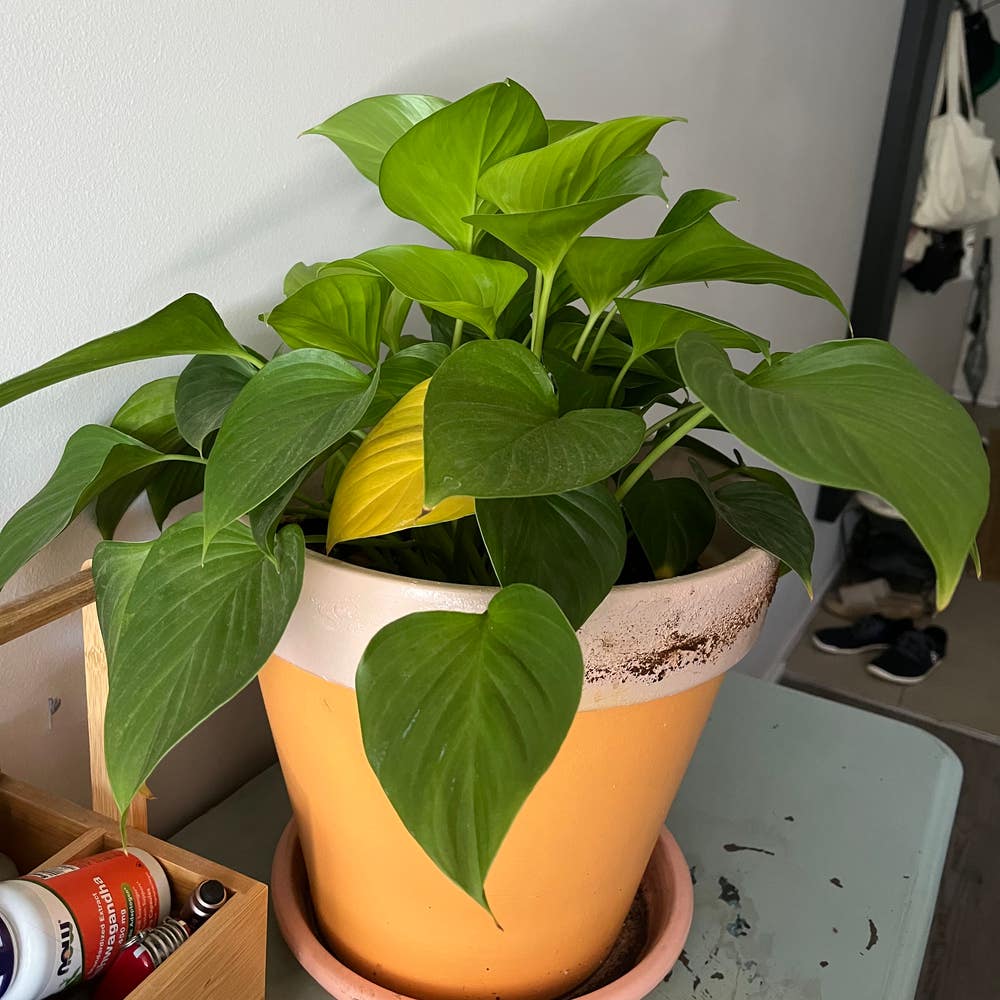
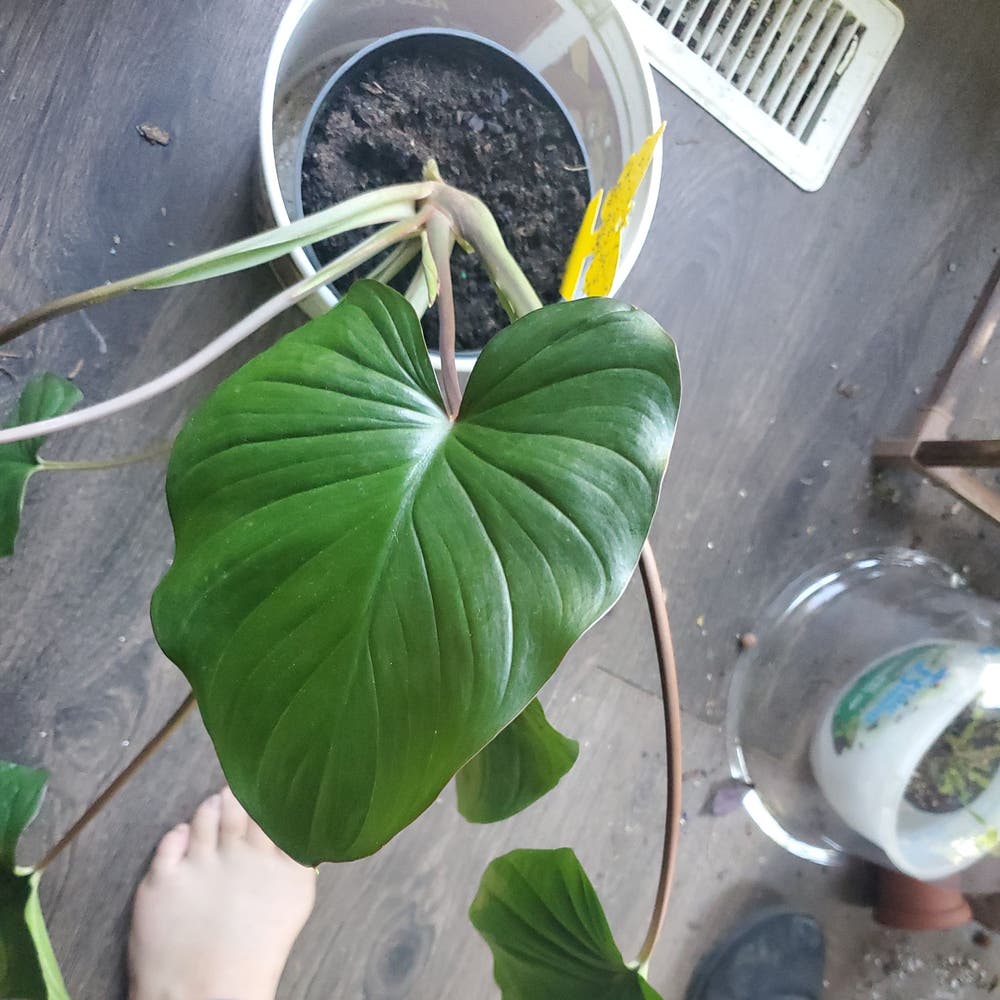
The Homalomena 'Emerald Gem' is a stunning plant, boasting glossy, heart-shaped leaves that radiate a vibrant green. Typically, it grows between 1 to 3 feet tall, making it a perfect addition to any indoor or tropical garden.
Ideal Growing Conditions 🌴
This plant thrives in humid, tropical environments, where it can truly flourish. The most appealing parts of the 'Emerald Gem' are undoubtedly its young shoots and tender leaves, which add a fresh touch to any space.
Why It's Special ✨
Not only does this plant enhance your decor, but its lush foliage also contributes to a calming atmosphere. Caring for the 'Emerald Gem' can be a rewarding experience, as it brings a slice of nature indoors.
In the next section, we'll explore the common herbivores that might threaten your beloved plant.
Common Herbivores
🦌 Deer
Signs and Damage
Deer leave distinct hoof prints in the soil, signaling their presence. They often browse on leaves, resulting in jagged edges that can mar the appearance of your Homalomena 'Emerald Gem.'
Impact
The impact of deer can be significant, leading to considerable defoliation. This not only affects the plant's aesthetic but also its overall health.
Deterrent Methods
To deter deer, consider using commercial repellents containing putrescent egg solids. Alternatively, planting deer-resistant species nearby or using human hair and soap shavings can provide organic solutions.
🐇 Rabbits
Signs and Damage
Look for small, round droppings and nibbling marks on leaves to identify rabbit activity. They tend to leave cleanly cut stems and leaves, which can be a telltale sign of their munching habits.
Impact
Rabbits can severely stunt growth and reduce the vigor of your plants. Their appetite can quickly turn a thriving garden into a struggling one.
Deterrent Methods
Rabbit repellents with strong scents, like garlic, can be effective. Additionally, erecting fencing at least 2 feet high or planting rabbit-resistant plants can help keep these critters at bay.
🐿️ Squirrels
Signs and Damage
Squirrels leave scratches on the soil and often chew on leaves. Their gnaw marks on stems can indicate their presence and potential damage.
Impact
These furry pests can weaken plants and increase their susceptibility to diseases. Their relentless chewing can lead to long-term health issues for your Homalomena.
Deterrent Methods
Consider using squirrel repellents that contain capsaicin for a chemical approach. For an organic solution, installing motion-activated sprinklers or using reflective materials can effectively scare them away.
🐦 Birds
Signs and Damage
Birds often leave droppings on leaves and peck marks as signs of their activity. They can remove young shoots and flowers, disrupting the growth of your plants.
Impact
The presence of birds can be generally harmful, as they can hinder flowering and overall growth. Their feeding habits can lead to a less vibrant garden.
Deterrent Methods
Bird deterrents like taste aversion sprays can be effective. Alternatively, using netting or reflective tape can scare birds away organically.
🐭 Rodents
Signs and Damage
Rodents create tunnels in the soil and leave droppings near the base of the plant. Their gnawing on roots and stems can cause significant damage.
Impact
Rodents can lead to root damage and plant instability, making them a serious threat to your Homalomena. Their activity can compromise the plant's health.
Deterrent Methods
Chemical options include rodent bait stations. For a more organic approach, trapping methods and planting mint or other deterrent herbs nearby can help keep them away.
🦡 Groundhogs/Woodchucks
Signs and Damage
Look for large burrows and chewed foliage to identify groundhogs. They can cause significant loss of leaves and stems, quickly decimating young plants.
Impact
Groundhogs can be particularly harmful, as they can destroy young plants in no time. Their voracious appetite poses a serious threat to your garden.
Deterrent Methods
Commercial repellents with unpleasant odors can deter groundhogs. Additionally, fencing at least 3 feet high and using motion-activated devices can provide effective protection.
Understanding these common herbivores and their impacts can help you protect your Homalomena 'Emerald Gem.' By implementing the right deterrent methods, you can create a thriving environment for your plants. Next, let’s explore the beneficial animals that can enhance your garden ecosystem.
Beneficial Animals
🐝 Description and Impact
When it comes to your Homalomena 'Emerald Gem,' not all animals are foes. Pollinators like bees and butterflies are drawn to its flowers, playing a crucial role in enhancing plant health.
Birds of prey also contribute positively by keeping rodent populations in check. Their presence can create a balanced ecosystem around your plants.
🌱 Positive Effects
The benefits of these animals extend beyond mere aesthetics. Enhanced pollination leads to more robust growth and vibrant foliage.
Additionally, natural pest control through predation helps maintain a healthy garden environment. This balance is essential for the overall vitality of your Homalomena.
By encouraging these beneficial creatures, you can foster a thriving ecosystem that supports your plants while keeping harmful herbivores at bay.
Protection Strategies
🛡️ Preventive Measures
Regular monitoring for signs of herbivore activity is essential. Keep an eye out for tracks, droppings, or any unusual damage to your Homalomena 'Emerald Gem'.
Creating a diverse planting scheme can also help. By mixing in various plants, you can confuse and deter herbivores, making your garden less appealing to them.
⚠️ Reactive Solutions
If you notice damage, act quickly. Immediate removal of affected parts promotes recovery and prevents further harm to your plant.
Applying repellents as needed can be effective. Choose options that suit your gardening style, whether chemical or organic, to keep those pesky herbivores at bay.
🌱 Ecosystem Balance
Encouraging beneficial insects is a smart move. Pollinators and natural predators can help maintain a healthy garden environment while keeping harmful herbivores in check.
Using organic methods not only protects your plants but also supports the ecosystem. This approach fosters a balanced environment where both plants and animals can thrive.
By implementing these protection strategies, you can ensure your Homalomena 'Emerald Gem' remains vibrant and healthy. Next, let’s explore seasonal considerations that can affect your plant's vulnerability to herbivores.
Seasonal Considerations
Variations in Attraction 🐾
As spring unfolds, herbivores become increasingly active, drawn to the tender young shoots of your Homalomena 'Emerald Gem.' This is the time when these plants are most vulnerable, making it crucial to keep an eye out for any signs of nibbling.
Timing of Vulnerability ⏰
During early summer, the feeding frenzy continues as herbivores seek out fresh foliage. Regular monitoring of your plant's health during these peak feeding times can help you catch any issues before they escalate, ensuring your 'Emerald Gem' remains vibrant and thriving.
By staying vigilant, you can enjoy the beauty of your plant while minimizing the impact of hungry visitors.
Toxicity and Safety
Toxic Effects 🐾
Homalomena 'Emerald Gem' is generally considered non-toxic. However, ingestion can lead to mild gastrointestinal upset in some animals, so it's wise to keep an eye on curious pets.
Managing Interactions 🦜
Understanding this mild toxicity can be beneficial for managing interactions with local wildlife. By being aware of the plant's effects, you can take steps to protect both your beloved plant and the animals around it.
Incorporating this knowledge into your gardening practices will help maintain a healthy balance in your garden ecosystem. With the right precautions, you can enjoy the beauty of your Homalomena while ensuring it thrives in its environment.
As you consider these safety aspects, let’s explore effective protection strategies to keep your plant safe from herbivores.
⚠️ Safety First
This content is for general information and may contain errors, omissions, or outdated details. It is not medical, veterinary advice, or an endorsement of therapeutic claims.
Always consult a qualified healthcare professional before using any plant as food, medicine, or supplement.
Never eat any plant (or feed one to pets) without confirming its identity with at least two trusted sources.
If you suspect poisoning, call Poison Control (800) 222-1222, the Pet Poison Helpline (800) 213-6680, or your local emergency service immediately.
Spotted an error? Please report it here.
Keep your Homalomena 'Emerald Gem' thriving 🌿 by using Greg's personalized tips to fend off herbivores and ensure a vibrant indoor oasis!