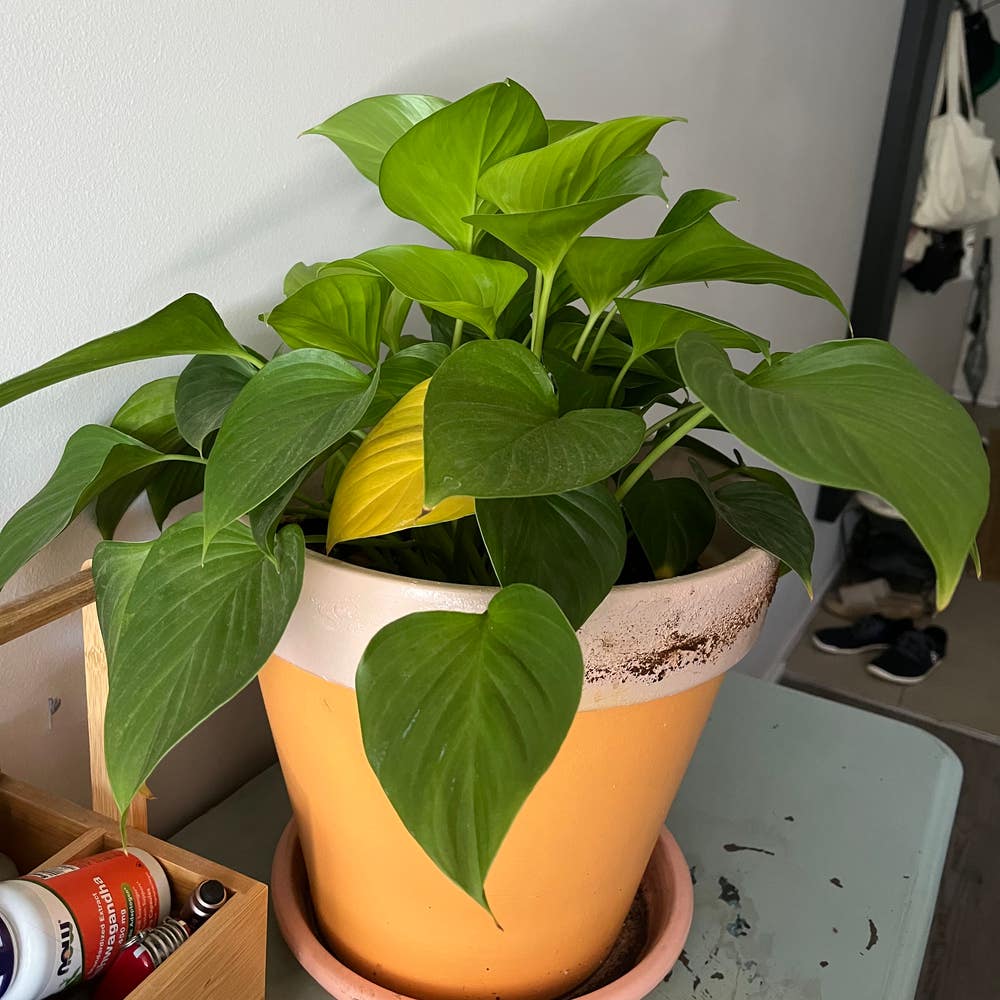
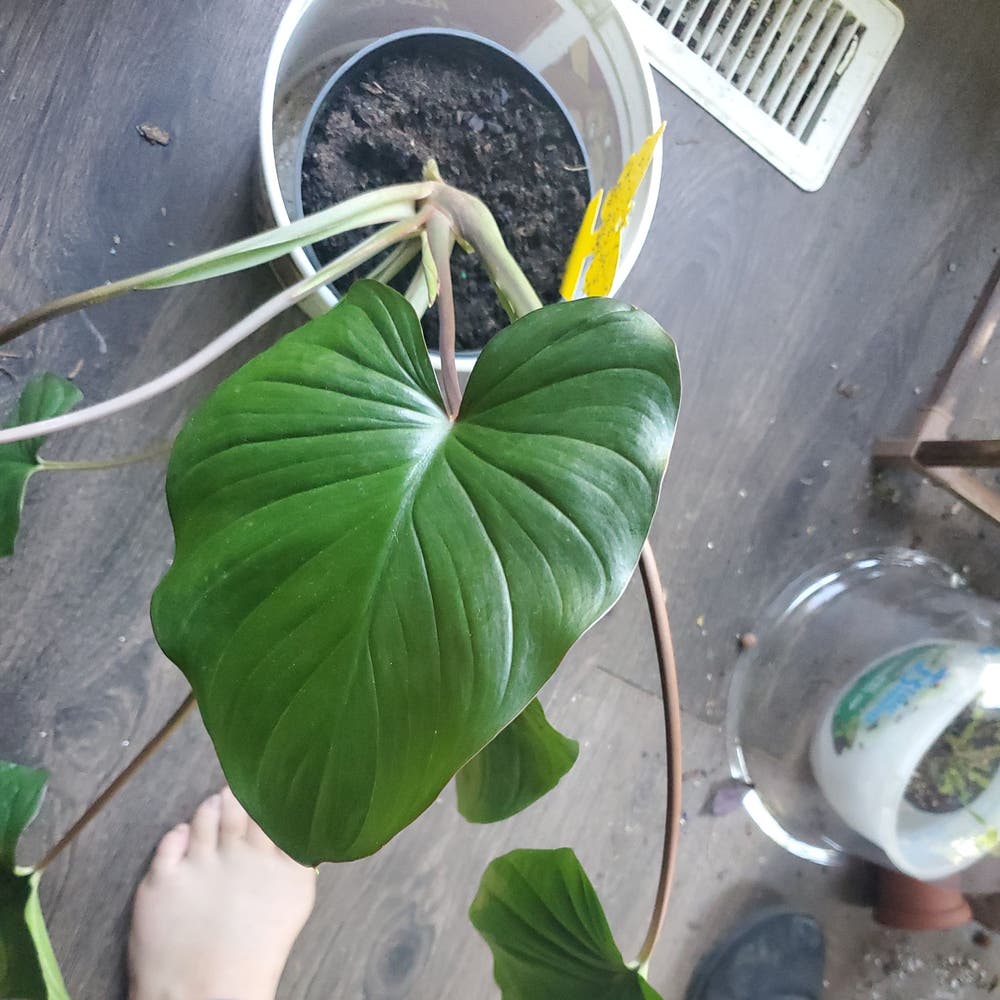
💎 Homalomena 'Emerald Gem': A Perennial Plant
Homalomena 'Emerald Gem'
By the Greg Editorial Team
Sep 28, 2024•6 min read
This article was created with the help of AI so we can cover more plants for you. May contain errors. See one? Report it here.
Unlock the secret to a thriving, low-maintenance garden with the resilient Homalomena 'Emerald Gem'! 🌱
- 🌱 Homalomena 'Emerald Gem' thrives with proper care, living 5-10 years.
- 💧 Humidity and temperature are crucial; keep it 65°F to 80°F for optimal growth.
- 🌞 Bright, indirect light prevents leaf scorch; avoid direct sunlight exposure.
Characteristics of Homalomena 'Emerald Gem' as a Perennial
Multi-Year Lifecycle and Growth Patterns 🌱
Homalomena 'Emerald Gem' showcases a fascinating lifecycle that transitions from a juvenile stage to a mature plant. Initially, young plants exhibit vibrant foliage, gradually developing into lush, full specimens as they mature.
During the warm months, this perennial thrives, entering an active growth phase. Conversely, as temperatures drop, growth slows, allowing the plant to conserve energy and resources.
The root system plays a crucial role in the plant's regrowth. It stores nutrients and water, enabling the 'Emerald Gem' to bounce back each growing season, ensuring a robust and resilient plant year after year.
Understanding these growth patterns is essential for any gardener looking to cultivate this stunning perennial effectively. With the right care, your Homalomena 'Emerald Gem' can flourish beautifully, bringing life to your space.
Impact of Perennial Nature on Growth and Lifespan
🌸 Effects on Flowering and Lifespan
Homalomena 'Emerald Gem' showcases unique flowering habits influenced by its perennial nature. This plant typically blooms during specific cycles, often coinciding with its active growth phases in warmer months.
Under optimal conditions, you can expect this beauty to thrive for an average lifespan of 5 to 10 years. However, achieving this longevity requires attentive care and a suitable environment.
⏳ Factors Influencing Longevity
Several factors play a crucial role in determining how long your Homalomena 'Emerald Gem' will flourish. Care practices, such as proper watering and fertilization, significantly impact its health and lifespan.
Environmental conditions also matter. Adequate humidity, temperature, and light exposure can either enhance or hinder its growth. Additionally, effective pest management is essential to prevent infestations that could shorten its life.
By understanding these dynamics, you can better appreciate the resilience and beauty of this perennial plant. With the right care, your Homalomena can become a long-lasting centerpiece in your garden.
As we explore the next section, we’ll delve into the dormancy periods and seasonal changes that affect this remarkable plant.
Dormancy and Seasonal Changes
Dormancy Periods and Care Adjustments 🌱
Homalomena 'Emerald Gem' experiences dormancy as a natural part of its lifecycle. This typically occurs in the fall and winter months when the plant slows down its growth due to cooler temperatures and reduced light.
During dormancy, you may notice signs such as reduced growth, leaf drop, and even changes in leaf color. These indicators signal that the plant is conserving energy and preparing for the next growth cycle.
Seasonal Growth Patterns ☀️
In spring and summer, the 'Emerald Gem' thrives, showcasing vibrant growth and lush foliage. This active growth phase is when the plant is most dynamic, soaking up nutrients and sunlight.
As the seasons shift to fall and winter, the plant enters its dormancy phase. Understanding these seasonal changes helps you adjust care practices, ensuring your plant remains healthy and ready to flourish when the warmer months return.
Advantages for Gardeners
Benefits of Perennial Nature 🌱
Homalomena 'Emerald Gem' offers a significant advantage for gardeners: its perennial nature minimizes the need for replanting. Once established, this plant can thrive for years, allowing you to enjoy its lush foliage without the hassle of starting from scratch each season.
Established root systems play a crucial role in this longevity. They enhance nutrient uptake, making the plant more resilient to environmental stresses. This means less worry about nutrient deficiencies and more time to appreciate the beauty of your garden.
In addition, the stability of a perennial plant contributes to a more sustainable garden ecosystem. With Homalomena 'Emerald Gem', you’re not just planting a flower; you’re investing in a long-term relationship with a vibrant, low-maintenance companion.
As you plan your garden, consider how this perennial can fit into your landscape. Its ability to thrive year after year can create a lush, inviting space that requires minimal upkeep, allowing you to focus on enjoying your garden rather than constantly replanting.
Next, let’s explore how climate variations can influence the behavior of this remarkable plant.
Variations Across Climate Zones
🌦️ Influence of Climate on Perennial Behavior
Homalomena 'Emerald Gem' thrives in its tropical origins, which significantly shapes its growth in various climates. Understanding these influences can help gardeners adapt their care strategies effectively.
💧 Humidity Levels
Humidity plays a crucial role in the health of this perennial. In high humidity, the plant flourishes, showcasing vibrant foliage and robust growth. Conversely, low humidity can lead to stress, causing leaves to curl or drop.
🌡️ Temperature Considerations
Temperature fluctuations also impact growth. Ideally, Homalomena prefers temperatures between 65°F and 80°F. Extreme cold can induce dormancy, while excessive heat may lead to wilting or sunburn.
☀️ Light Exposure
Light exposure is another vital factor. While the plant enjoys bright, indirect light, too much direct sunlight can scorch its leaves. Finding the right balance is key to maintaining its lush appearance.
🌍 Adapting to Conditions
Gardeners in cooler climates may need to provide additional humidity and warmth. Using humidity trays or grow lights can help mimic tropical conditions, ensuring the plant remains healthy and vibrant.
By understanding these climatic influences, you can create an optimal environment for your Homalomena 'Emerald Gem'. This knowledge not only enhances its growth but also enriches your gardening experience.
Next, we’ll explore how to maximize the benefits of this perennial in your garden planning.
Maximizing Benefits in Garden Planning
🌱 Tips for Long-Term Cultivation
To keep your Homalomena 'Emerald Gem' thriving as a perennial, focus on a few key practices. Regularly check the soil moisture; it should be consistently damp but not soggy.
Fertilizing during the growing season can also boost health. Use a balanced, water-soluble fertilizer every 4-6 weeks to provide essential nutrients.
🏡 Ideal Placement Considerations
Placement is crucial for optimal growth. Homalomena 'Emerald Gem' thrives in bright, indirect light, so avoid direct sunlight that can scorch its leaves.
Humidity is another factor to consider. This plant loves a humid environment, so placing it in a bathroom or kitchen can work wonders. If your home is dry, consider using a pebble tray or a humidifier to maintain moisture levels.
🍂 Seasonal Adjustments
As seasons change, so should your care routine. During the active growth phase in spring and summer, increase watering frequency. In contrast, reduce watering during the fall and winter dormancy period.
Keep an eye on temperature, too. Ideally, maintain a range between 65°F to 80°F (18°C to 27°C) for optimal growth.
🐞 Pest Management
Regularly inspect your plant for pests like spider mites or aphids. Early detection is key; treat infestations promptly with insecticidal soap or neem oil.
By following these tips, you can ensure your Homalomena 'Emerald Gem' remains a vibrant part of your garden for years to come.
As you cultivate this beautiful perennial, you'll not only enjoy its lush foliage but also gain a deeper appreciation for its resilience and adaptability.
⚠️ Safety First
This content is for general information and may contain errors, omissions, or outdated details. It is not medical, veterinary advice, or an endorsement of therapeutic claims.
Always consult a qualified healthcare professional before using any plant as food, medicine, or supplement.
Never eat any plant (or feed one to pets) without confirming its identity with at least two trusted sources.
If you suspect poisoning, call Poison Control (800) 222-1222, the Pet Poison Helpline (800) 213-6680, or your local emergency service immediately.
Spotted an error? Please report it here.
Nurture your Homalomena 'Emerald Gem' for years of vibrant growth 🌿 by using Greg's tailored care reminders to keep its environment just right!