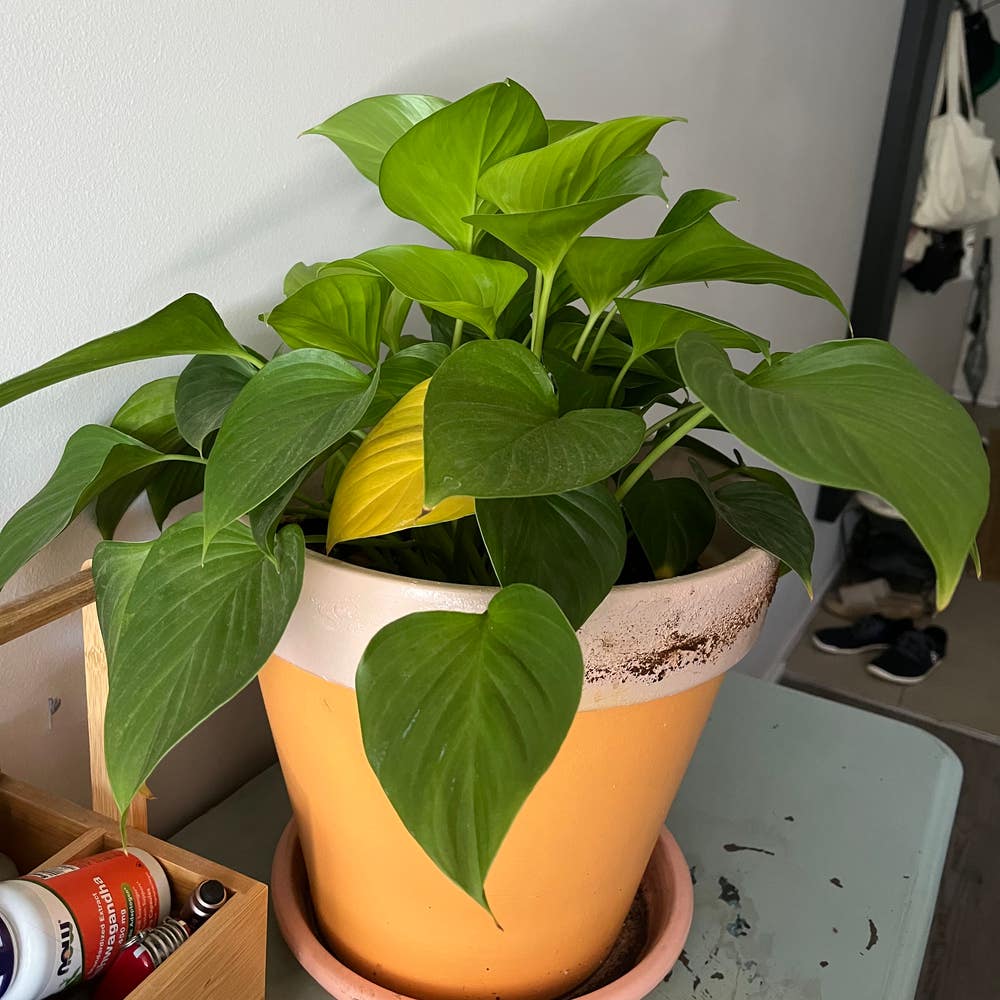
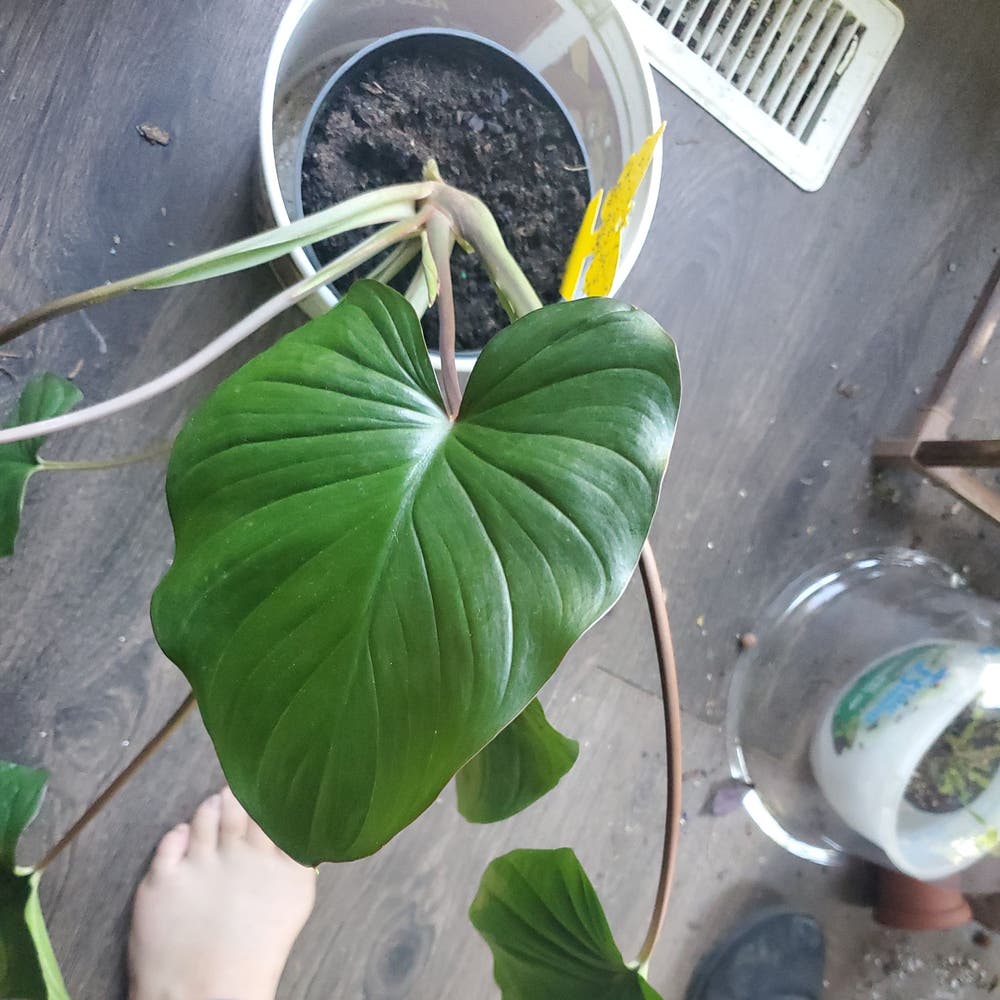
Propagating Homalomena 'Emerald Gem': Step-by-Step Guide
Homalomena 'Emerald Gem'
By the Greg Editorial Team
Jun 18, 2024•5 min read
This article was created with the help of AI so we can cover more plants for you. May contain errors. See one? Report it here.
Grow a lush indoor jungle 🌿 by mastering the art of propagating Homalomena 'Emerald Gem' with ease!
- Spring or early summer is best for propagating 'Emerald Gem'.
- Division and stem cuttings are two effective propagation methods.
- Bright light, warmth, and humidity are key to successful propagation.
Preparing to Propagate Your 'Emerald Gem'
Before diving into the world of propagation, timing and preparation are key. For your Homalomena 'Emerald Gem', the ideal time to start is during the growing season, which typically means spring or early summer. This is when the plant's natural growth cycle will support new root and shoot development.
Gather your tools and materials: clean, sharp scissors or a knife, pots, and a soil mix rich in peat moss, perlite, and coarse sand to ensure good drainage and prevent root rot.
🌱 Division: Multiplying Your Plant Family
Division is like a magic trick where one plant becomes two (or more). Look for signs that your 'Emerald Gem' is ready to be divided: robust growth, multiple stems, and a root system that seems crowded in its pot.
📝 Step-by-Step Guide to Dividing Your 'Emerald Gem'
- Gently remove your plant from its pot and clear away excess soil to reveal the root structure.
- Identify natural separations between stems and roots and use your hands or a knife to tease them apart.
- Plant each new section in its own pot with fresh, well-draining soil mix.
- Water thoroughly but don't drown them; think of it as a welcome drink in their new home.
After division, the parent plant may look a bit worse for wear. Give it some TLC with a fresh pot and soil, and it'll bounce back in no time.
🌿 Stem Cuttings: Cloning Your Greens
Stem cuttings are your ticket to creating an army of 'Emerald Gems'. Select healthy, non-flowering stems with at least two to three leaf nodes.
🌱 The Cutting Process: Tips and Tricks for Success
- Make a clean cut just below a leaf node.
- Remove the lower leaves to expose the nodes where roots will sprout.
- Dip the cut end in rooting hormone for an extra boost (optional but helpful).
🌱 Encouraging Roots: Soil vs. Water Propagation Methods
For soil propagation, stick the cutting into a moist potting mix, ensuring at least one node is buried. For water propagation, submerge the nodes in water, using a clear container to keep an eye on root development.
Both methods have their fans. Soil offers a direct route to the final growing medium, while water gives you a visual on the rooting progress. Choose your adventure and watch your green family grow.

Creating the Ideal Propagation Environment
💡 The Perfect Spot
Light and temperature are the cornerstones of a successful propagation environment. Your cuttings and divisions crave bright, indirect sunlight—think of the kind that filters through a sheer curtain. Temperature is equally vital; maintain a cozy range between 75° and 80°F to encourage root development. Too hot and your plants might wilt; too cold and they'll stagnate.
🌿 Humidity Hacks
Humidity is the unsung hero of propagation. Aim for a relative humidity of 85% or more to keep your cuttings from drying out, but beware of crossing into mold territory. You can create a mini greenhouse effect using a plastic bag or a clear dome—just ensure there's some airflow to prevent fungal parties.
🚰 Maintaining Moisture
Keep your medium moist, but not waterlogged. It's a delicate balance—like keeping a tropical terrarium, not a swamp. If you're using a humidity dome or bag, open it occasionally to let fresh air in and keep an eye out for condensation build-up.
💡 Light and Temperature Fine-Tuning
If you're lacking in natural light, consider grow lights—they're like a sun substitute for your plant babies. No bottom heat? Increase air temperature slightly to compensate and give those roots a gentle nudge.
🕵️ Monitoring and Adjusting
Stay vigilant. Monitor your propagation setup like it's the most interesting reality show. Small adjustments can make a big difference in the rooting success of your 'Emerald Gem' cuttings and divisions.

Nurturing Your New Plants
💧 Watering Wisdom: How Much and How Often
Watering your new Homalomena 'Emerald Gem' plants is less about sticking to a strict schedule and more about observing their needs. Initially, keep the soil moist but dodge the swampy end of the spectrum. Test the soil with your finger; if it's dry a couple of inches down, it's time for a drink. If it's damp, give it a rain check. Overwatering invites root rot, while underwatering is just plain rude.
⏳ The Waiting Game: When to Pot and Introduce Fertilizers
Patience is key. Wait until you see new growth before you even think about fertilizing. When that time comes, opt for a half-strength water-soluble fertilizer every other month. Think of it as a gentle nudge for your plants to grow, not a full-on shove. As for potting, hold off until the roots are well established. You'll know it's time when the roots start peeking out like nosy neighbors. Then, and only then, is it time to give them a new home.

Overcoming Propagation Pitfalls
🐛 Spotting and Solving Common Issues
Rot, Pests, and Slow Growth Propagation can be a minefield of mishaps, but with the right moves, you can dance through it unscathed. Rot is the grim reaper of propagation; if you find mushy stems or roots, it's time to play surgeon. Remove the affected parts and let the soil breathe. Overwatering is often the culprit, so let's not drown our plant babies, okay?
Pests are like that one uninvited guest who ruins the party. Mealybugs and aphids have a taste for fresh growth. Spot them? Don't panic—insecticide or a natural remedy will show them the door.
And if growth is more glacial than grand, consider if your plant is throwing shade—literally. It might be begging for more light. Bright, indirect sunlight should do the trick.
🚑 When to Seek Help
Sometimes, despite your best efforts, things go south. If your plant's health is on a downward spiral or root rot has turned into a horror show, it's time to call in the cavalry. Reach out to a pro before your green dreams turn brown. Remember, it's not about having a green thumb—it's about learning to paint it green along the way.
⚠️ Safety First
This content is for general information and may contain errors, omissions, or outdated details. It is not medical, veterinary advice, or an endorsement of therapeutic claims.
Always consult a qualified healthcare professional before using any plant as food, medicine, or supplement.
Never eat any plant (or feed one to pets) without confirming its identity with at least two trusted sources.
If you suspect poisoning, call Poison Control (800) 222-1222, the Pet Poison Helpline (800) 213-6680, or your local emergency service immediately.
Spotted an error? Please report it here.
Successfully propagate 🌱 your Homalomena 'Emerald Gem' with Greg's tailored care reminders and community wisdom, turning your green dreams into lush reality.