💎 4 Secret Homalomena 'Emerald Gem' Landscaping Tricks
Homalomena 'Emerald Gem'
By the Greg Editorial Team
Sep 28, 2024•5 min read
This article was created with the help of AI so we can cover more plants for you. May contain errors. See one? Report it here.
Create your own tropical paradise 🌴 with easy tips for lush greenery and stunning outdoor design!
- 🌿 Homalomena thrives in shade, perfect for low-light corners of your garden.
- 🌱 Group plants for impact - create lush, vibrant displays in any space.
- 🧘♀️ Enhance tranquility by placing Homalomena near water features for a calming effect.
Tropical Oasis Corner
Implementation 🌴
Creating a tropical oasis starts with choosing the right location. A shaded corner of your garden or patio is ideal for planting Homalomena 'Emerald Gem', as it thrives in low-light conditions.
To enhance the tropical vibe, consider companion plants like ferns or other shade-loving varieties. These plants not only complement the Homalomena but also create a lush, inviting atmosphere.
Scale Considerations 📏
In small spaces, a single Homalomena can serve as a stunning focal point. This approach draws the eye and adds a touch of greenery without overwhelming the area.
For larger spaces, grouping multiple plants together creates a dense, vibrant look. This layering effect can transform your garden into a tropical retreat.
Visual Impact 🎨
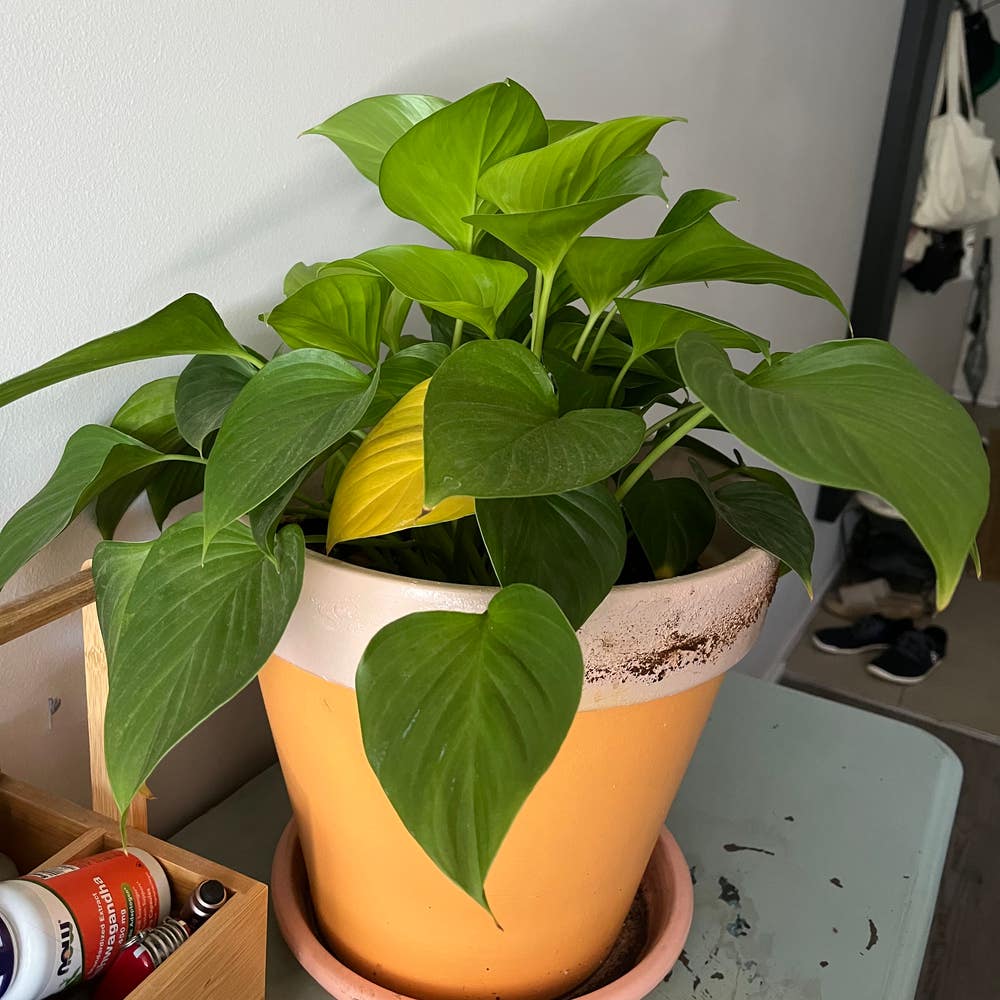
The lush foliage of Homalomena 'Emerald Gem' contributes significantly to the overall aesthetic. Its vibrant leaves create an inviting atmosphere, making your outdoor space feel more alive.
Additionally, the plant adds depth and texture to your landscape. This visual complexity enhances the overall appeal, making it a standout feature in any garden.
Adaptation for Different Styles 🏡
For modern gardens, sleek containers can provide a minimalist touch. This clean look allows the beauty of the plant to shine without distraction.
In contrast, tropical gardens benefit from pairing Homalomena with colorful flowers. This combination creates a vibrant display that captures the essence of a tropical paradise.
By implementing these tricks, you can easily create a stunning tropical oasis that enhances your outdoor space. Next, let’s explore how to create a serene Feng Shui zone in your garden.
Feng Shui Serenity Zone
Implementation in a Zen Garden 🌿
Creating a tranquil Zen garden with Homalomena 'Emerald Gem' starts with strategic placement. Position your plants near water features or stones to promote a sense of calm and serenity.
For layout, arrange the plants in a way that encourages flow and harmony. This not only enhances the aesthetic but also aligns with feng shui principles.
Importance of Placement 📍
The positioning of your plants significantly affects energy flow in the space. Thoughtful placement can enhance the feng shui, making it ideal for meditation areas or relaxation spots in your backyard.
Consider how each element interacts; the right arrangement can transform your garden into a peaceful retreat.
Visual Appeal 🎨
The lush green foliage of Homalomena contrasts beautifully with stones or water, creating a calming effect. This visual balance adds serenity to your landscape, inviting you to unwind.
Incorporating these elements enhances the overall aesthetic, making your garden a soothing escape.
Adaptation for Urban vs. Suburban Settings 🏙️
In urban settings, opt for smaller containers to fit limited spaces while maintaining the tranquil vibe. This allows you to create a serene corner even in a bustling environment.
For suburban areas, consider a larger zen garden with multiple elements. This expansive approach can incorporate various features, enhancing the overall tranquility of your outdoor space.
Transitioning from the serene vibes of a feng shui garden, let's explore how to create a delightful container garden that brings joy and beauty to any setting.
Container Garden Delight
Creating a Container Design 🌿
Container gardening is perfect for patios or balconies where space is limited. Opt for medium to large pots to create a striking visual impact.
Suggestions for Arrangements 🎨
Grouping different sizes and shapes of containers can add dynamism to your space. Incorporate taller containers to introduce height variation and visual interest.
Why This Works 💡
This approach is adaptable to various container designs, enhancing the overall aesthetic appeal. Plus, it requires minimal care, making it ideal for busy plant parents.
Adaptation for Varying Styles 🏺
For a rustic vibe, terracotta pots work beautifully, offering a natural look. If you prefer a modern aesthetic, sleek metallic containers can elevate your garden's contemporary feel.
By embracing these container garden ideas, you can transform any small space into a lush retreat. Next, let’s explore how to create a layered foliage display that adds depth and complexity to your garden.
Layered Foliage Display
Description of Layering 🌿
Layering plants creates a captivating, multi-dimensional look in your garden. Consider combining Homalomena with lush Hostas or vibrant Caladiums to achieve contrasting textures.
Scale and Height Considerations 📏
For a balanced visual depth, position taller plants at the back and place Homalomena in the middle. This arrangement not only looks great but also simplifies care by ensuring all plants share similar light and water needs.
Aesthetic Appeal 🎨
The interplay of contrasting textures and colors results in a striking visual display. This layering technique enhances your garden design, adding complexity and interest that draws the eye.
Adaptation for Different Layouts 🏡
In formal gardens, symmetrical arrangements provide a structured appearance. Conversely, informal gardens benefit from a relaxed, natural grouping of plants, allowing for a more organic feel.
By thoughtfully layering your foliage, you can transform any garden space into a vibrant oasis. Next, let’s explore how to create a delightful container garden that suits your unique style and space.
⚠️ Safety First
This content is for general information and may contain errors, omissions, or outdated details. It is not medical, veterinary advice, or an endorsement of therapeutic claims.
Always consult a qualified healthcare professional before using any plant as food, medicine, or supplement.
Never eat any plant (or feed one to pets) without confirming its identity with at least two trusted sources.
If you suspect poisoning, call Poison Control (800) 222-1222, the Pet Poison Helpline (800) 213-6680, or your local emergency service immediately.
Spotted an error? Please report it here.
Elevate your garden's aesthetic with the stunning Homalomena 'Emerald Gem' 🌿, and let Greg provide tailored care tips to ensure your lush oasis thrives effortlessly!