4 Companions to Boost Your Homalomena 'Emerald Gem''s Growth 💧
Homalomena 'Emerald Gem'
By the Greg Editorial Team
Sep 28, 2024•5 min read
This article was created with the help of AI so we can cover more plants for you. May contain errors. See one? Report it here.
Elevate your indoor garden 🌿 with perfect companion plants for your Homalomena 'Emerald Gem' and create a thriving sanctuary!
- 🌱 Pothos, Peace Lily, and Snake Plant are ideal companions for Homalomena's growth.
- 🐜 Companion plants deter pests like spider mites and gnats, protecting your Homalomena.
- 🌿 Layering plants enhances aesthetics and creates a thriving indoor ecosystem.
Best Companion Plants for Homalomena 'Emerald Gem'
🌿 Plant 1: Pothos
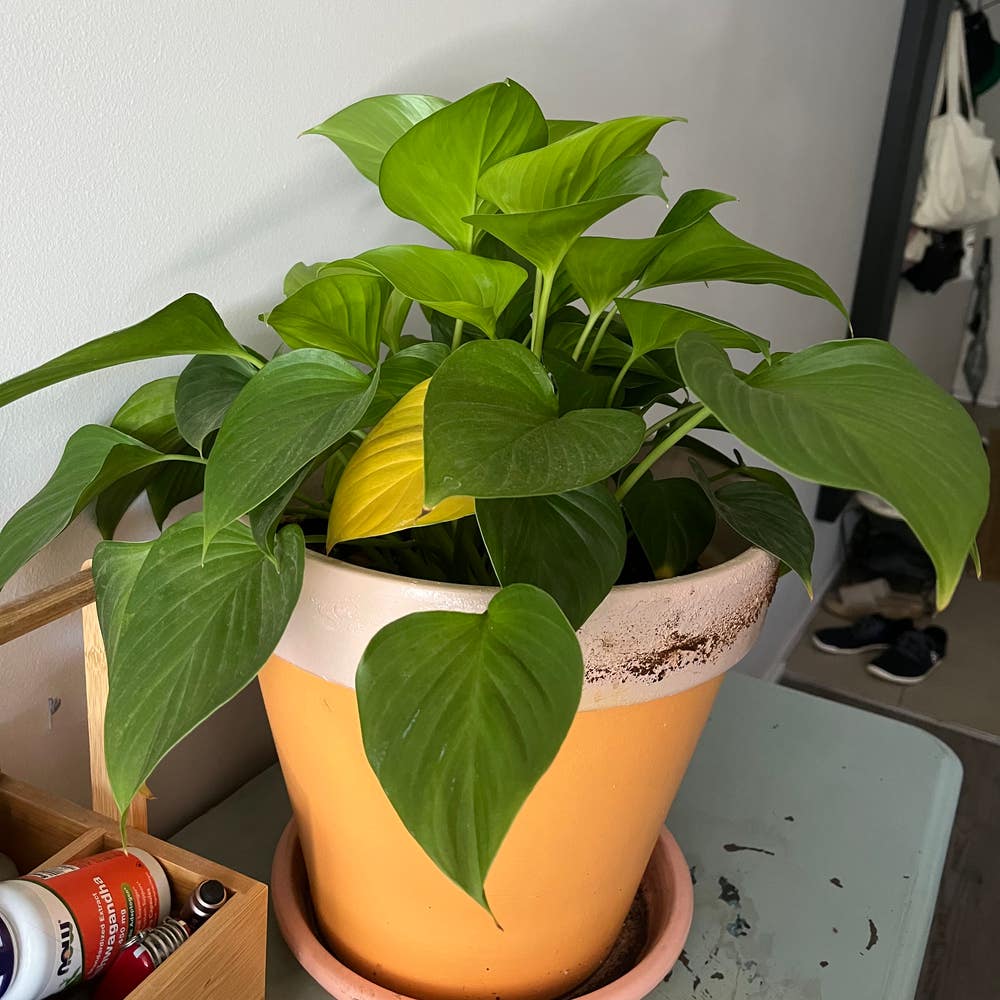
Pothos is a trailing vine known for its heart-shaped leaves and various variegations. This plant thrives in low-light conditions, making it a perfect match for your Homalomena 'Emerald Gem'.
Its moderate humidity requirements align well with those of Homalomena, ensuring both plants flourish together. Plus, Pothos is an air purifier, enhancing indoor air quality while adding cascading foliage that elevates your home’s aesthetics.
🌸 Plant 2: Peace Lily
The Peace Lily is an elegant choice, featuring glossy green leaves and striking white blooms. It prefers low-light and high-humidity conditions, similar to the needs of Homalomena 'Emerald Gem'.
Consistent moisture is key, but be careful not to overwater. This plant is also known for its air-purifying properties, improving indoor air quality while providing a beautiful contrast with its white flowers against lush green foliage.
🌱 Plant 3: Snake Plant
With its sturdy, upright leaves and striking patterns, the Snake Plant is a versatile companion. It tolerates low light but thrives in brighter conditions, offering flexibility in placement.
While it requires less humidity, this balance can be beneficial for your Homalomena. Additionally, the Snake Plant is an excellent air purifier, contributing to a healthier indoor environment and adding unique texture to your plant arrangement.
🕷️ Plant 4: Spider Plant
The Spider Plant features arching leaves adorned with green and white stripes, and it's famous for producing baby plantlets. It thrives in low-light and high-humidity environments, making it another great companion for Homalomena.
Regular watering is essential, but this plant is forgiving of occasional neglect. Its ability to remove indoor pollutants complements the air-purifying qualities of Homalomena, while its cascading growth habit adds depth and visual appeal to your indoor garden.
These companion plants not only enhance the growth of your Homalomena 'Emerald Gem' but also create a vibrant and healthy indoor environment. Next, let’s explore which plants to avoid near your Homalomena to ensure its optimal growth.
Plants to Avoid Near Homalomena 'Emerald Gem'
🌵 Plant 1: Cacti
Cacti thrive in dry conditions and low humidity, which starkly contrasts with the needs of your Homalomena 'Emerald Gem'. This mismatch can lead to overwatering issues, risking root rot for your beloved plant.
🎻 Plant 2: Fiddle Leaf Fig
Fiddle Leaf Figs demand bright, indirect light and are sensitive to humidity fluctuations. Their competitive nature for light and nutrients can stress your Homalomena, hindering its growth and vitality.
Avoiding these plants will help maintain a harmonious environment for your Homalomena 'Emerald Gem'. Next, let’s explore how companion planting can aid in pest management, keeping your indoor garden thriving.
Pest Management through Companion Planting
Companion planting isn't just about aesthetics; it can be a powerful tool for pest management. By strategically placing certain plants together, you can create a natural defense system against pests.
🐞 How Companion Plants Can Deter Pests
Natural repellents from companion plants can significantly reduce pest populations without the need for harsh chemicals. This eco-friendly approach not only protects your plants but also contributes to a healthier indoor environment.
Additionally, companion plants can attract beneficial insects that prey on common pests. This creates a balanced ecosystem, allowing your Homalomena 'Emerald Gem' to thrive.
🌿 Specific Pest-Repellent Properties of Companion Plants
Pothos: This trailing vine is more than just a pretty face. It effectively deters spider mites and aphids, keeping your Homalomena safe from these pesky invaders.
Peace Lily: Known for its elegant blooms, the Peace Lily also serves a practical purpose. It can repel common indoor pests like gnats and flies, ensuring your indoor garden remains pest-free.
By incorporating these companion plants, you not only enhance the beauty of your space but also create a thriving, pest-resistant environment for your Homalomena 'Emerald Gem'.
As you consider your plant arrangements, remember that the right companions can make all the difference in maintaining a healthy indoor garden. Next, let’s explore how these plants can enhance the visual appeal of your setup.
Visual Appeal and Aesthetic Benefits
🌿 Enhancing Visual Appeal
Companion plants can significantly elevate the visual appeal of your Homalomena 'Emerald Gem'. With their diverse foliage shapes and colors, these plants create a dynamic indoor garden that captivates the eye.
Layering different plants adds depth and interest to your arrangements. This technique not only showcases the beauty of each plant but also creates a lush, inviting atmosphere.
🎨 Creating a Cohesive Look
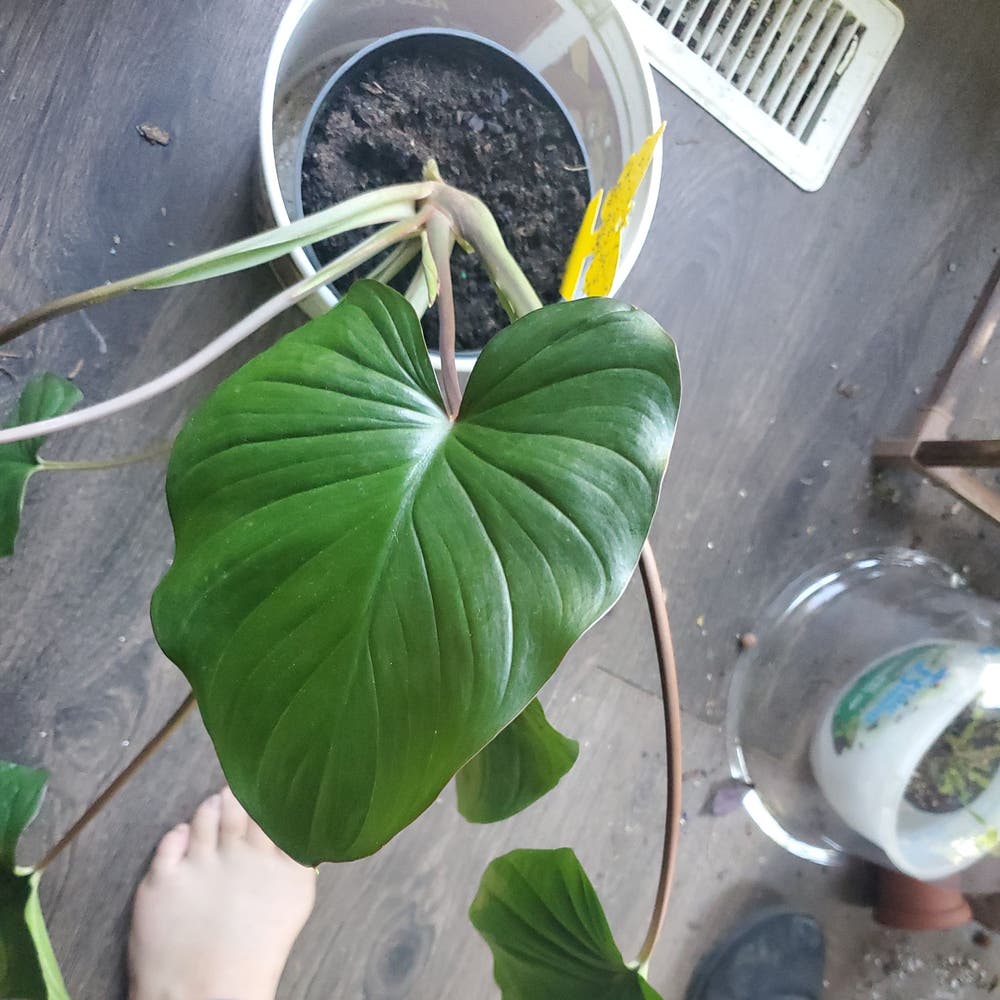
To achieve a cohesive look in your indoor garden, focus on selecting plants with complementary colors and textures. This thoughtful arrangement can highlight the glossy leaves of your Homalomena 'Emerald Gem', making it the star of the show.
Arranging plants strategically ensures balance in your display. By considering height, leaf shape, and color, you can create a harmonious environment that feels both vibrant and serene.
💭 Final Thoughts
Incorporating companion plants not only enhances the aesthetics of your space but also fosters a thriving indoor ecosystem. With the right choices, you can transform your home into a lush sanctuary that reflects your personal style and passion for plants.
Next, let’s explore how companion planting can aid in pest management, ensuring your indoor garden remains healthy and vibrant.
⚠️ Safety First
This content is for general information and may contain errors, omissions, or outdated details. It is not medical, veterinary advice, or an endorsement of therapeutic claims.
Always consult a qualified healthcare professional before using any plant as food, medicine, or supplement.
Never eat any plant (or feed one to pets) without confirming its identity with at least two trusted sources.
If you suspect poisoning, call Poison Control (800) 222-1222, the Pet Poison Helpline (800) 213-6680, or your local emergency service immediately.
Spotted an error? Please report it here.
Boost your Homalomena 'Emerald Gem' with perfect companions like Pothos and Peace Lily 🌱, and let Greg guide you with tailored care tips to create a thriving indoor oasis!