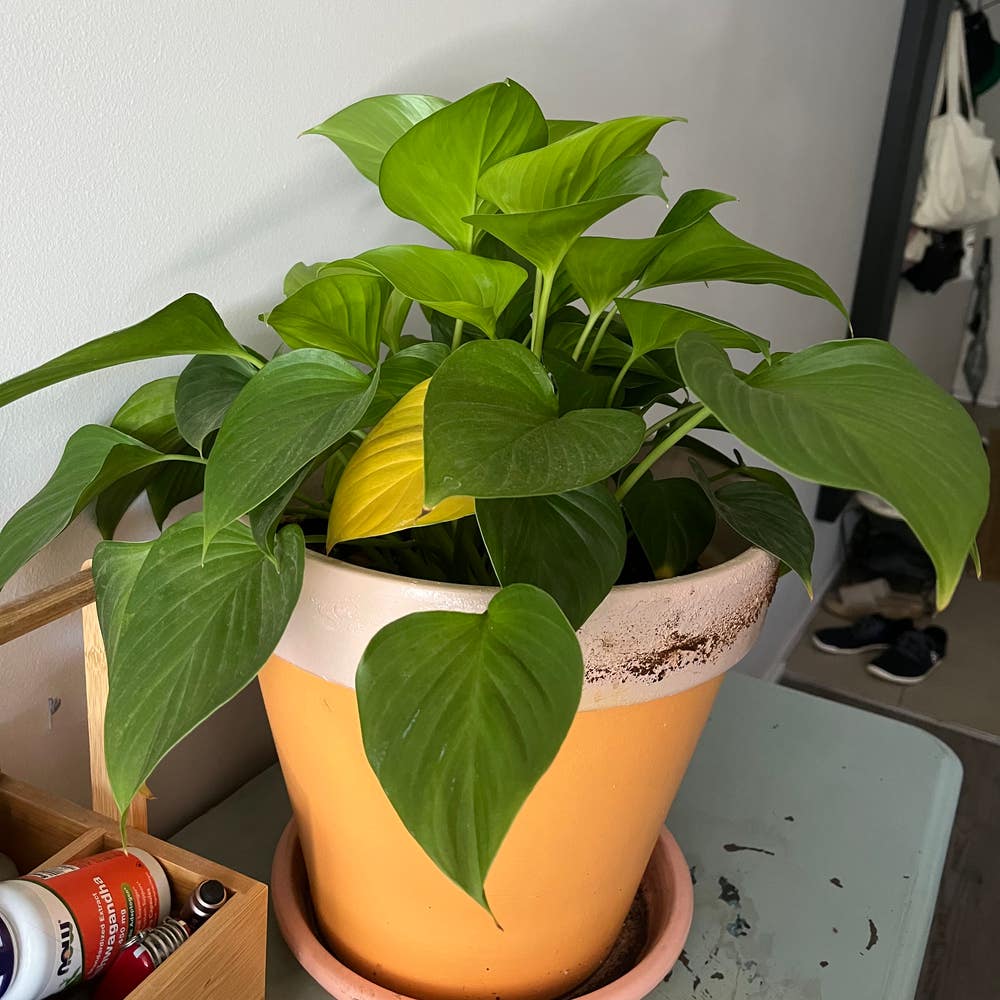
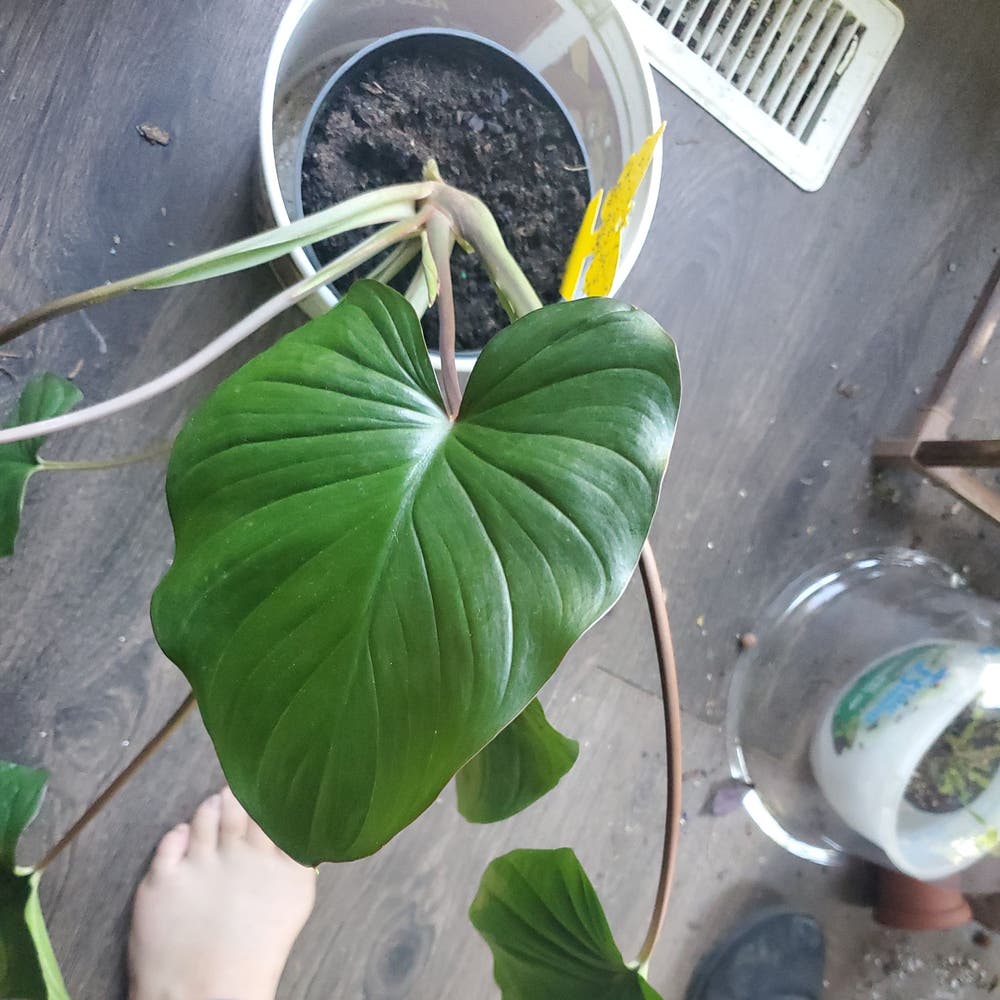
💎 Introduction to Homalomena 'Emerald Gem'
Homalomena 'Emerald Gem'
By the Greg Editorial Team
Jan 10, 2025•12 min read
This article was created with the help of AI so we can cover more plants for you. May contain errors. See one? Report it here.
Elevate your indoor garden effortlessly with the stunning Homalomena 'Emerald Gem'! 🌿✨
- 🌱 Homalomena 'Emerald Gem' thrives in low light, perfect for indoor spaces.
- 💧 Water when the top inch is dry to prevent root rot.
- 🌿 Regular pruning and fertilizing enhance health and appearance.
How to Grow
Choosing a Location 🌍
To thrive, the Homalomena 'Emerald Gem' prefers low to medium light conditions indoors. If you're considering outdoor placement, opt for shaded areas in tropical climates to keep it happy and healthy.
Soil Preparation 🌱
For optimal growth, use well-draining soil rich in organic matter. Aim for a soil pH between 6.0 and 7.0, which is slightly acidic to neutral.
Planting Techniques 🌿
Select a container that is at least 6-8 inches in diameter to give your plant room to grow. When planting, ensure the crown of the plant is level with the soil surface for best results.
Watering Requirements 💧
Water your 'Emerald Gem' when the top inch of soil feels dry to the touch. Be cautious of overwatering; watch for signs of root rot, such as yellowing leaves or a foul smell.
Fertilizing Schedule 🥦
During the growing season, apply a balanced liquid fertilizer every 4-6 weeks to promote healthy growth. As winter approaches, reduce fertilization to allow the plant to rest.
Pruning and Ongoing Care ✂️
Regularly prune away yellowing leaves and spent stems to keep your plant looking its best. Additionally, dust the leaves frequently to enhance photosynthesis and overall vitality.
With these straightforward care tips, your Homalomena 'Emerald Gem' will flourish, adding beauty and life to your space. Next, let’s explore how to propagate this stunning plant for even more greenery!
Propagation
🌱 Division Method
Propagation of the Homalomena 'Emerald Gem' can be effectively achieved through division. The best time to do this is during repotting in the spring, when the plant is actively growing.
To divide, carefully separate the rhizomes, ensuring that each section has roots attached. This method not only helps in creating new plants but also promotes healthier growth for the parent plant.
✂️ Stem Cuttings
Another popular propagation method is through stem cuttings. For this technique, take cuttings that are 4-6 inches long, making sure each has at least one node.
Use a rooting medium composed of equal parts peat and perlite for optimal results. After planting the cuttings, expect roots to develop within 4-6 weeks, allowing you to nurture new plants from your existing Homalomena.
This propagation process is a rewarding way to expand your collection or share the beauty of the 'Emerald Gem' with friends.
Lifecycle
🌱 Overview of Lifecycle Stages
The Homalomena 'Emerald Gem' is a perennial plant, boasting a lifespan that can extend for several years. This longevity makes it a rewarding addition to any indoor garden.
🌿 Germination and Seedling Stage
Germination for seeds typically takes about 2-4 weeks. During this time, it's crucial to maintain humidity and warmth to encourage healthy seedling development.
🌳 Vegetative Growth
Once germinated, the plant enters a vegetative growth phase. It grows at a moderate pace, reaching maturity in approximately 2-3 years.
🌸 Flowering and Seed Production
Flowering is a rare event for this plant when kept indoors, usually requiring optimal conditions. If flowering does occur, viable seeds can be collected, adding to the plant's allure.
⏳ Lifespan and Growth Timeline
The full maturity of the Homalomena 'Emerald Gem' is achieved in about 2-3 years. Under ideal conditions, it can grow between 6-12 inches per year, showcasing its vibrant foliage and robust structure.
This lifecycle overview highlights the beauty and resilience of the Homalomena 'Emerald Gem', making it a fantastic choice for plant enthusiasts. Next, we will explore the size of this captivating plant and how it can fit into your space.
Size
Mature Height and Spread 🌱
Homalomena 'Emerald Gem' typically reaches a mature height of 12 to 24 inches. Its spread can range from 12 to 18 inches, depending on the growing conditions it experiences.
Growth Rate and Size Variability 📏
This plant has a moderate growth rate, which is influenced by factors like light and water availability. You may notice size variability based on the pot size and the care practices you implement.
Impact of Growing Conditions on Size 🌍
To achieve optimal growth, provide well-draining soil and maintain consistent humidity. Conversely, poor conditions, such as low light or dry environments, can lead to stunted growth and smaller plants.
Understanding these aspects of size will help you create the best environment for your Homalomena 'Emerald Gem' to thrive. Next, let’s explore the fascinating topic of its roots and their characteristics.
Roots
Root System Characteristics 🌱
The Homalomena 'Emerald Gem' features a fibrous root system that is both shallow and extensive. This structure allows the plant to efficiently absorb moisture and nutrients from the soil.
Depth and Spread 📏
Typically, the roots extend to a depth of 6-12 inches. However, they can spread beyond the diameter of the pot, making it essential to monitor their growth.
Common Root-Related Issues ⚠️
One of the most common problems is root rot, which occurs due to overwatering and poor drainage. Signs of unhealthy roots include a mushy texture and a foul smell, indicating that immediate action is needed.
Identifying Healthy vs. Unhealthy Roots 🔍
Healthy roots are firm and exhibit a white or light tan color. In contrast, unhealthy roots appear dark, mushy, or slimy, signaling that the plant may be in distress.
Recognizing and Addressing Rootbound Conditions 🪴
If you notice roots growing out of the drainage holes, your plant may be rootbound. To remedy this, consider repotting into a larger container or dividing the plant to promote healthier growth.
By understanding the root system of your Homalomena 'Emerald Gem,' you can ensure it thrives in your care. Next, let’s explore the benefits this beautiful plant brings to your indoor space.
Benefits
Aesthetic Appeal 🌿
Homalomena 'Emerald Gem' boasts stunning foliage that can elevate any indoor space. Its lush, green leaves add a touch of nature, making it a perfect choice for home decor.
Air Purification 🌬️
This plant is not just a pretty face; it actively improves indoor air quality. By removing toxins from the air, it creates a healthier living environment.
Low Maintenance 🧘♀️
One of the best features of the 'Emerald Gem' is its low maintenance requirements. This makes it an ideal choice for beginners or anyone looking to add greenery without a lot of fuss.
Symbolism in Culture 🎉
In various cultures, this plant symbolizes prosperity and good fortune. Having it in your home can be a delightful way to invite positive energy.
Emotional Well-Being 😊
Surrounding yourself with greenery can significantly enhance your mood. The presence of the 'Emerald Gem' can help reduce stress and create a calming atmosphere.
Incorporating this plant into your space not only beautifies your environment but also contributes to your overall well-being. Next, let’s explore the concept of companion planting and how to pair this gem with other plants for optimal growth.
Companion Plants
🌱 Concept of Companion Planting
Companion planting is all about creating a harmonious garden environment. It promotes diversity and can help manage pests naturally, making your plant care easier and more effective.
🌼 Best Companion Plants
When it comes to Homalomena 'Emerald Gem', some of the best companions include:
- Pothos: Thrives in similar light and moisture conditions.
- Peace Lily: Shares the same humidity preferences and adds a beautiful contrast.
- Ferns: These leafy friends enjoy the same low to medium light, making them perfect partners.
🚫 Plants to Avoid
While some plants thrive together, others can clash. Avoid pairing your Homalomena with:
- Cacti: They require much less water and thrive in bright light.
- Succulents: Like cacti, they prefer drier conditions and can compete for moisture.
By choosing the right companions, you can create a thriving indoor garden that enhances the beauty and health of your Homalomena 'Emerald Gem'. Next, let’s explore the potential toxicity of this plant to pets and humans.
Toxicity to Humans
Potential Irritation 🌿
Homalomena 'Emerald Gem' can cause mild irritation due to its leaves and sap. While it’s generally safe, it's wise to handle the plant with care.
Symptoms of Irritation 🤕
If irritation occurs, you might experience skin rashes, itching, or mild gastrointestinal upset. These symptoms are usually not severe but can be uncomfortable.
Handling Precautions 🧤
To minimize the risk of irritation, always wear gloves when handling the plant. This simple precaution can help you enjoy your plant without worry.
When to Seek Medical Care 🚑
If symptoms persist or worsen, it's best to seek medical care. Most irritations are self-limiting, but it's always better to be safe and consult a professional if you're concerned.
With these precautions in mind, you can confidently care for your Homalomena 'Emerald Gem' while keeping irritation at bay. Next, let’s explore how this beautiful plant can impact your furry friends.
Toxicity to Dogs
🌿 Toxic Parts of the Plant
Homalomena 'Emerald Gem' can pose a risk to dogs, primarily through its leaves and sap. If your furry friend decides to nibble on this plant, it's essential to be aware of the potential dangers.
🤢 Symptoms of Poisoning
If a dog ingests parts of the plant, watch for symptoms like drooling, vomiting, diarrhea, and weakness. These signs indicate that your pet may be experiencing a reaction to the toxins.
🚧 Prevention Measures
To keep your dog safe, place the plant out of reach and supervise them during outdoor time. Creating a barrier can help prevent any accidental ingestion.
🏥 Importance of Veterinary Care
If you suspect your dog has eaten any part of the plant, seek veterinary care immediately. Quick action is crucial, as timely treatment can make all the difference in ensuring your pet's well-being.
By understanding the risks associated with Homalomena 'Emerald Gem', you can enjoy your beautiful plant while keeping your canine companion safe. Next, let’s explore the potential toxicity of this plant to cats.
Toxicity to Cats
Toxic Parts of the Plant 🐾
Homalomena 'Emerald Gem' can pose risks to our feline friends. The leaves and sap of this plant are the primary culprits that can be harmful to cats.
Symptoms of Poisoning 🤢
If a cat ingests any part of the plant, watch for symptoms like drooling, vomiting, diarrhea, and weakness. These signs indicate that your cat may be experiencing a reaction to the plant.
Prevention Measures 🚫
To keep your cat safe, it's best to keep them indoors and supervise their outdoor time. This way, you can prevent any accidental ingestion of the plant.
Importance of Veterinary Care 🏥
If you suspect your cat has ingested Homalomena 'Emerald Gem', seeking veterinary assistance is crucial. Prompt care can help address any adverse effects and ensure your pet's well-being.
By being aware of these potential hazards, you can enjoy your plant while keeping your furry companions safe.
Problems
Common Issues Faced 🌱
Caring for your Homalomena 'Emerald Gem' can sometimes lead to a few hiccups. Understanding these common issues will help you keep your plant thriving.
Incorrect Watering 🚰
Watering is crucial, and getting it wrong can lead to problems. Overwatering often shows up as yellowing leaves, while underwatering can cause crispy edges.
Incorrect Light Conditions 💡
Light plays a significant role in your plant's health. If your Homalomena is in low light, you might notice leggy growth as it stretches for more light.
Incorrect Temperature 🌡️
Temperature fluctuations can stress your plant. Cold drafts may lead to leaf drop, so keep your plant in a stable environment.
Diseases 🦠
Watch out for diseases like powdery mildew and root rot. These can develop if your plant is overwatered or in overly humid conditions.
Leaf Issues 🍃
Leaf problems can manifest in various ways. Yellowing, scorching, or fuzzy growth are signs that something isn't quite right with your plant's care.
By being aware of these common issues, you can take proactive steps to ensure your Homalomena 'Emerald Gem' remains healthy and vibrant. Next, let's explore the pests that might invade your plant's space.
Bugs
Common Pests 🐜
Keeping your Homalomena 'Emerald Gem' healthy means staying vigilant against pests. Here are the most common culprits you might encounter:
Spider Mites
These tiny pests are notorious for their fine webbing and stippled leaves. If you notice these signs, act quickly to prevent a larger infestation.
Scale Insects
Scale insects can be tricky to spot at first. Look for sticky residue on leaves and yellowing foliage, which indicates their presence.
Mealybugs
Mealybugs are easily recognizable by their cotton-like masses on stems and leaves. They can weaken your plant, so it's essential to address them promptly.
Managing Pest Infestations 🛠️
Regularly inspect your plant for these pests to catch any issues early. If you spot any of these unwelcome guests, consider using insecticidal soap or neem oil as effective treatments.
Maintaining a clean environment around your plant can also help deter pests. Wipe down leaves regularly to remove dust and potential eggs, ensuring your Homalomena thrives.
Conclusion 📝
By staying informed about common pests and their signs, you can keep your Homalomena 'Emerald Gem' healthy and vibrant. Next, let’s explore the potential problems that can arise in your plant care journey.
What Eats
Common Animals 🦌
Homalomena 'Emerald Gem' can attract a few curious critters. Deer often leave signs of browsing on the leaves, while rabbits might munch on the stems. Squirrels, on the other hand, tend to dig around the base, searching for tasty roots.
Signs of Animal Presence 🐾
Identifying these visitors is crucial for protecting your plant. Look for tracks, droppings, or visible damage to the leaves and stems. These signs can help you determine which animal is causing the trouble.
Damage Caused ⚠️
The impact of these animals can be significant. You may notice leaf loss or stunted growth as they feast on your plant. This can hinder the overall health and aesthetic appeal of your Homalomena.
Deterrent Methods 🚫
Preventing animal damage is key to maintaining your plant's vitality. Consider using fencing to create a barrier, applying repellents to deter them, or implementing companion planting strategies to confuse and distract these hungry visitors.
By taking these steps, you can help ensure your Homalomena 'Emerald Gem' thrives without unwanted nibblers.
⚠️ Safety First
This content is for general information and may contain errors, omissions, or outdated details. It is not medical, veterinary advice, or an endorsement of therapeutic claims.
Always consult a qualified healthcare professional before using any plant as food, medicine, or supplement.
Never eat any plant (or feed one to pets) without confirming its identity with at least two trusted sources.
If you suspect poisoning, call Poison Control (800) 222-1222, the Pet Poison Helpline (800) 213-6680, or your local emergency service immediately.
Spotted an error? Please report it here.
Keep your Homalomena 'Emerald Gem' thriving and prosperous 🌿 with Greg's tailored watering alerts and care tips that make plant parenting a breeze!