🌞 Is Direct Sunlight Good for My Homalomena 'Emerald Gem'?
Homalomena 'Emerald Gem'
By the Greg Editorial Team
Jun 18, 2024•4 min read
This article was created with the help of AI so we can cover more plants for you. May contain errors. See one? Report it here.
Learn to protect your Homalomena 'Emerald Gem' 🌿 from harsh sunbeams for a thriving indoor jungle! ☀️
- 🌿 No direct sunlight needed; Homalomena 'Emerald Gem' thrives in shade.
- 🔍 Look for scorched leaves to spot too much sun.
- 🌞🔄 Adjust care seasonally; east-facing windows and humidity help.
Sunlight Simplified: What Does 'Direct Sunlight' Mean for Your Homalomena?
⛅️ Defining Direct vs. Indirect Sunlight
Think of direct sunlight as the main event at a concert—front and center, it's all about that unfiltered, face-to-face interaction with the sun. Indirect sunlight? That's more like a VIP lounge experience—still part of the action, but with a softer touch, like light that's bounced off a wall or filtered through a sheer curtain.
Homalomena 'Emerald Gem' Sunlight Needs
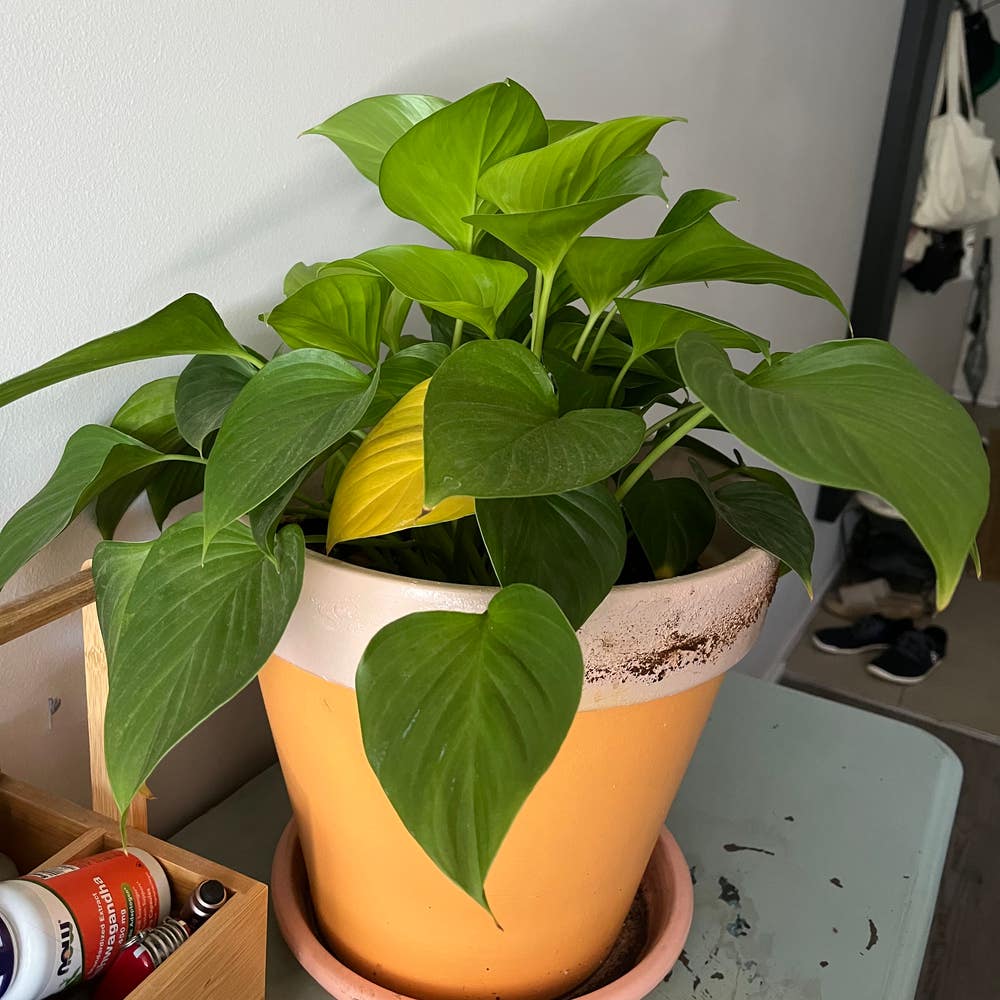
Your Homalomena 'Emerald Gem' isn't a fan of the limelight. It prefers the shade of the understory in its natural habitat. So, while it can handle some bright spots in your home, direct sunlight is a no-go. It's all about that sweet spot of bright, indirect sunlight—think of it as the plant's happy place, where it can flaunt its glossy leaves without the risk of a sunburn.

Reading the Signs: How Your Homalomena 'Emerald Gem' Tells You It's Getting Too Much Sun
🌞 Telltale Signs of Excessive Sunlight
Your Homalomena 'Emerald Gem' is a drama queen when it comes to sunlight. Scorched leaves? That's its way of screaming for sunscreen. If you see brown spots or bleached areas, your plant is essentially waving a white flag at the sun's relentless rays. And when the leaves go from glossy to crispy, it's high time to rethink your plant's tanning sessions.
Long-Term Effects of Sun Overexposure
Think of sun overexposure as a bad sunburn that never heals. Over time, your Homalomena 'Emerald Gem' will not only sport unsightly sunburn spots, but it might also suffer from stunted growth. The leaves can become thin and wilted, a clear sign they've had more than their fair share of vitamin D. In the worst-case scenario, prolonged exposure can lead to a leaf exodus, where your plant drops leaves like they're going out of style. Keep an eye out for these distress signals, and you'll be able to protect your leafy friend from the sun's harsh spotlight.

The Right Spot: Placing Your Homalomena 'Emerald Gem' in the Perfect Light
⛅️ Understanding Your Windows
Finding the perfect spot for your Homalomena 'Emerald Gem' is like choosing a seat in a café—location is everything. East-facing windows are your best bet, serving up a gentle morning light buffet without the scorching afternoon rays. South-facing windows can be a close second, but you'll need to play bouncer and shield your plant from the harsh midday sun. West-facing windows? Think of them as the sun's front row seats—too intense for your leafy companion.
🌍 Hemisphere Hints
Your place on the map dictates your Homalomena's sunbathing rules. In the Northern Hemisphere, south-facing windows are the VIP lounge in winter, but come summer, they're more like a sauna—time to pull your plant back. Flip it if you're in the Southern Hemisphere; here, north-facing windows are the go-to for that golden glow. Remember, you're not just a plant owner; you're a sunlight DJ, mixing the rays to get the perfect light track for your Homalomena 'Emerald Gem'.

Seasonal Sunlight Strategies for Homalomena 'Emerald Gem'
🌞 Summer vs. Winter Sun Considerations
The Homalomena 'Emerald Gem' thrives in a consistent environment, but as the Earth tilts on its axis, your plant's world tilts too. Summer sun is like a stage spotlight, intense and sometimes overbearing. In contrast, winter sun is a gentle glow, often too weak to penetrate the chill. Your plant's leaves can become the casualty of this cosmic dance, crisping up or stretching out in search of light.
Practical Tips for Year-Round Care
Location is key. In summer, shield your Homalomena from the sun's midday zeal by placing it behind a sheer curtain or moving it a few feet away from the window. Come winter, cozy it up to the glass to bask in the scarce warmth. Rotate the pot regularly to avoid the "Leaning Tower of Pisa" effect—lopsided growth due to uneven light. Remember, the top 1-2 inches of soil should dry out between waterings, but don't let your Homalomena go thirsty for too long, especially when the heating's on. If your home turns into a desert, consider a humidifier to keep the air from getting as dry as a stand-up comedian's wit.
⚠️ Safety First
This content is for general information and may contain errors, omissions, or outdated details. It is not medical, veterinary advice, or an endorsement of therapeutic claims.
Always consult a qualified healthcare professional before using any plant as food, medicine, or supplement.
Never eat any plant (or feed one to pets) without confirming its identity with at least two trusted sources.
If you suspect poisoning, call Poison Control (800) 222-1222, the Pet Poison Helpline (800) 213-6680, or your local emergency service immediately.
Spotted an error? Please report it here.
Avoid the sunburnt leaf blues by placing your Homalomena 'Emerald Gem' in its ideal spot with Greg's PlantVision 🌿, ensuring it thrives in the perfect amount of shade.