Why Is My Homalomena 'Emerald Gem' Not Doing Well?
Homalomena 'Emerald Gem'
By the Greg Editorial Team
Jun 18, 2024•5 min read
This article was created with the help of AI so we can cover more plants for you. May contain errors. See one? Report it here.
Nurse your 'Emerald Gem' back to vibrant health 🌿 with our fail-safe plant revival guide!
- 🌱 Yellow leaves? Could be over-watering or lacking nutrients.
- 🌡️ Drooping leaves? Check for temperature stress or pests.
- 🌞 Brown leaf tips? Too much light or not enough humidity.
Spot the Distress Signals
🚨 Yellowing Leaves: Watering Woes or Nutrient No-Nos?
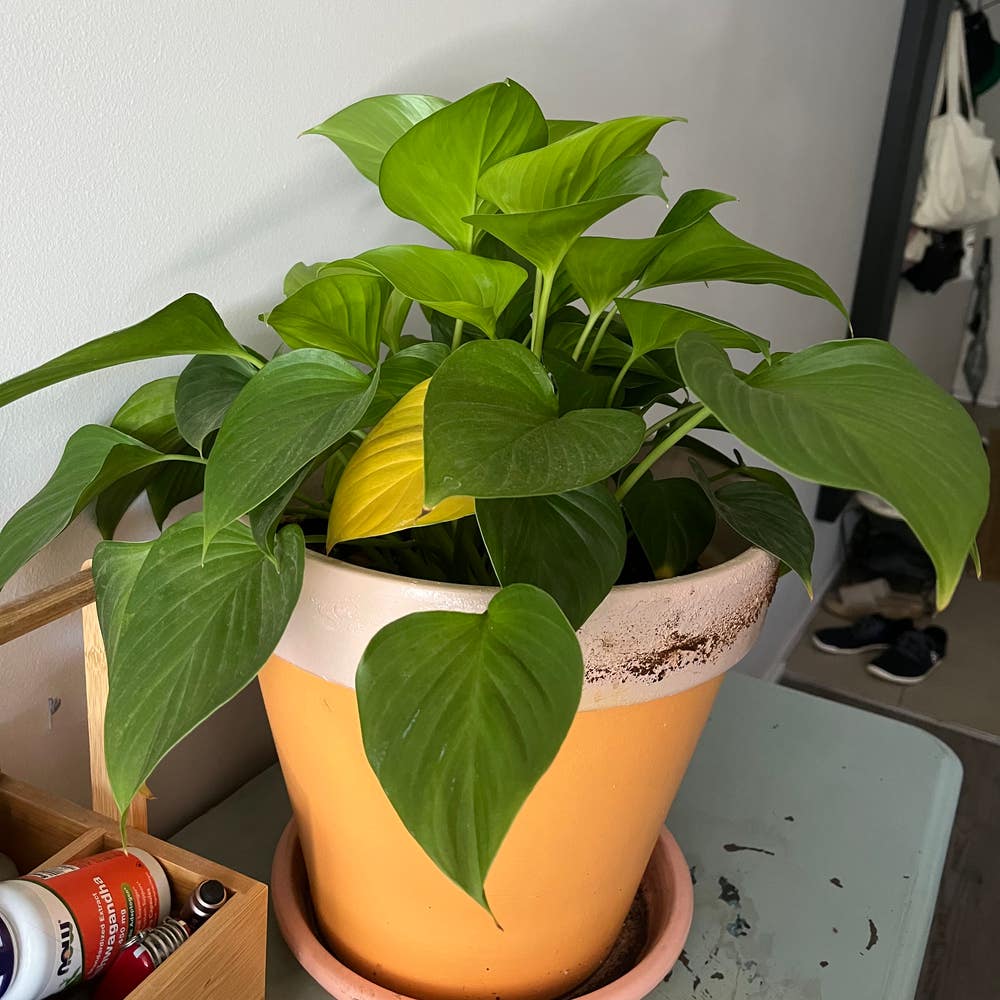
Yellowing leaves on your Homalomena 'Emerald Gem' are like a warning light on your car's dashboard; they mean 'check engine' for your plant. Over-watering is often the culprit, leading to soggy soil and sad, yellow leaves. But don't rule out nutrient deficiencies—a lack of essential minerals can also turn leaves yellow, especially if the yellowing follows the veins.
🥀 Wilting or Drooping: Temperature Tantrums or Pesty Problems?
Wilting is the plant equivalent of a limp handshake—it's not a good sign. If your 'Emerald Gem' is wilting or drooping, it could be throwing a temperature tantrum. Too hot or too cold, and your plant will let you know with droopy leaves. Alternatively, check for unwanted guests; pests love to make a meal of your Homalomena, leaving it wilted and weary.
🍂 Brown Tips: Light Struggles or Humidity Hiccups?
Brown tips on your Homalomena's leaves are like burnt toast; they've had too much of a good thing. Scorched leaf tips often cry out for relief from too much light or a plea for more humidity. If your plant's edges are more toasted than your morning bread, consider moving it away from direct sunlight and maybe introduce a humidifier to the mix.

Water Woes: Too Much or Too Little?
🌊 Over-watering Hazards
Yellowing leaves and mushy stems are the hallmarks of over-watering your Homalomena 'Emerald Gem'. These symptoms suggest your plant is practically swimming. To rescue your waterlogged friend, adjust your watering routine. Wait until the top inch of soil is dry before giving it another drink. Improve drainage by ensuring your pot has adequate holes and consider a well-draining soil mix to prevent your plant's roots from becoming aquatic.
🏜️ Under-watering Symptoms
Conversely, dry leaves and stunted growth shout out an SOS for hydration. Your 'Emerald Gem' is thirstier than a tourist in the desert. To bounce back, find the sweet spot for watering frequency. The soil should be moist, like a wrung-out sponge, not dry and barren. Increase your watering gradually, allowing the plant to soak up moisture without going overboard. Remember, it's about quenching thirst, not creating a flood.

Light and Temperature: Finding the Balance
🌞 Light Levels: Avoiding the Extremes
Bright, indirect light is the sweet spot for your Homalomena 'Emerald Gem'. Too much sun leads to leaf scorch, while too little results in a loss of color. To avoid these extremes, observe how light plays through your space across the day. Adjust the plant's position to ensure it receives gentle, filtered sunlight. If you notice signs of distress, it's time to shuffle things around—your plant's health depends on it.
🌡️ Temperature Tumult
Temperature stress can be a silent killer. Keep it cozy—your 'Emerald Gem' prefers temperatures between 65°F and 80°F. Watch out for drafts or sudden temperature changes that can cause wilting or discoloration. If your plant's leaves are sending SOS signals during a heatwave, cool things down with a slight increase in watering. Remember, it's a balancing act—too much water and you're in a new world of trouble.

Attack of the Pests and Pathogens
🐜 Pests: Unwanted Guests
Spider mites, mealybugs, and scale insects are the usual suspects when your Homalomena 'Emerald Gem' starts to struggle. These critters suck the life out of your plant, leaving behind telltale signs like webbing, cotton-like fluff, or brown bumps.
Insecticidal soap or neem oil are your go-to weapons in the fight against these pests. Apply diligently, focusing on the undersides of leaves where bugs like to hide out. For a more eco-friendly approach, consider releasing predatory insects like ladybugs or lacewings to hunt down the pests.
🍄 Fungal Foes: Mold and Root Rot
Mold and root rot signal that your 'Emerald Gem' is in a damp and dismal state. Overwatering is often the culprit, creating a playground for fungi. Yellowing leaves and a musty smell are your clues that it's time to take action.
To combat these issues, improve airflow around your plant and let the soil dry out before watering again. If root rot has set in, you may need to repot your plant in fresh, sterile soil. As a preventive measure or for mild cases, consider a fungicide to nip fungal growth in the bud. Remember, keeping the foliage dry is key to preventing a fungal encore.
Revival Roadmap: Bringing Your 'Emerald Gem' Back to Life
🐛 Troubleshooting Common Issues
Yellowing leaves? Time to check the soil's moisture. Too soggy? Cut back on the H2O and ensure your pot's drainage is up to snuff. Wilting? Could be a sign of pest invasion or temperature tantrums. Get your detective hat on and inspect for bugs or drafts.
💪 Consistent Care is Key
Homalomena 'Emerald Gem' is not a set-it-and-forget-it kind of plant. Regular monitoring is your best friend here. Keep an eye on growth patterns and leaf health. New sprouts should be perky and unblemished. If not, reassess your care routine—something's amiss.
🎭 Tailoring Your Approach
Every 'Emerald Gem' has its quirks. Maybe yours is a drama queen with light, or a diva when it comes to humidity. Adjust your care to suit its personality. Too much light? Shuffle it to a shadier spot. Crispy tips? Time to up the humidity game.
📋 The Revival Checklist
- Inspect: Leaves, stems, soil. Look for clues.
- Adjust: Watering, lighting, temperature. Find the sweet spot.
- Defend: Against pests and pathogens. Stay vigilant.
- Monitor: Growth and recovery. Celebrate the wins, learn from the setbacks.
Remember, patience is part of the plant parent job description. Your 'Emerald Gem' didn't get glum overnight, and it won't perk up by morning. But with some TLC and a keen eye, you'll have it flaunting its emerald glory in no time.
⚠️ Safety First
This content is for general information and may contain errors, omissions, or outdated details. It is not medical, veterinary advice, or an endorsement of therapeutic claims.
Always consult a qualified healthcare professional before using any plant as food, medicine, or supplement.
Never eat any plant (or feed one to pets) without confirming its identity with at least two trusted sources.
If you suspect poisoning, call Poison Control (800) 222-1222, the Pet Poison Helpline (800) 213-6680, or your local emergency service immediately.
Spotted an error? Please report it here.
Turn your Homalomena 'Emerald Gem' from wilting to thriving 🌟 with Greg's custom watering schedules and pest troubleshooting tips.