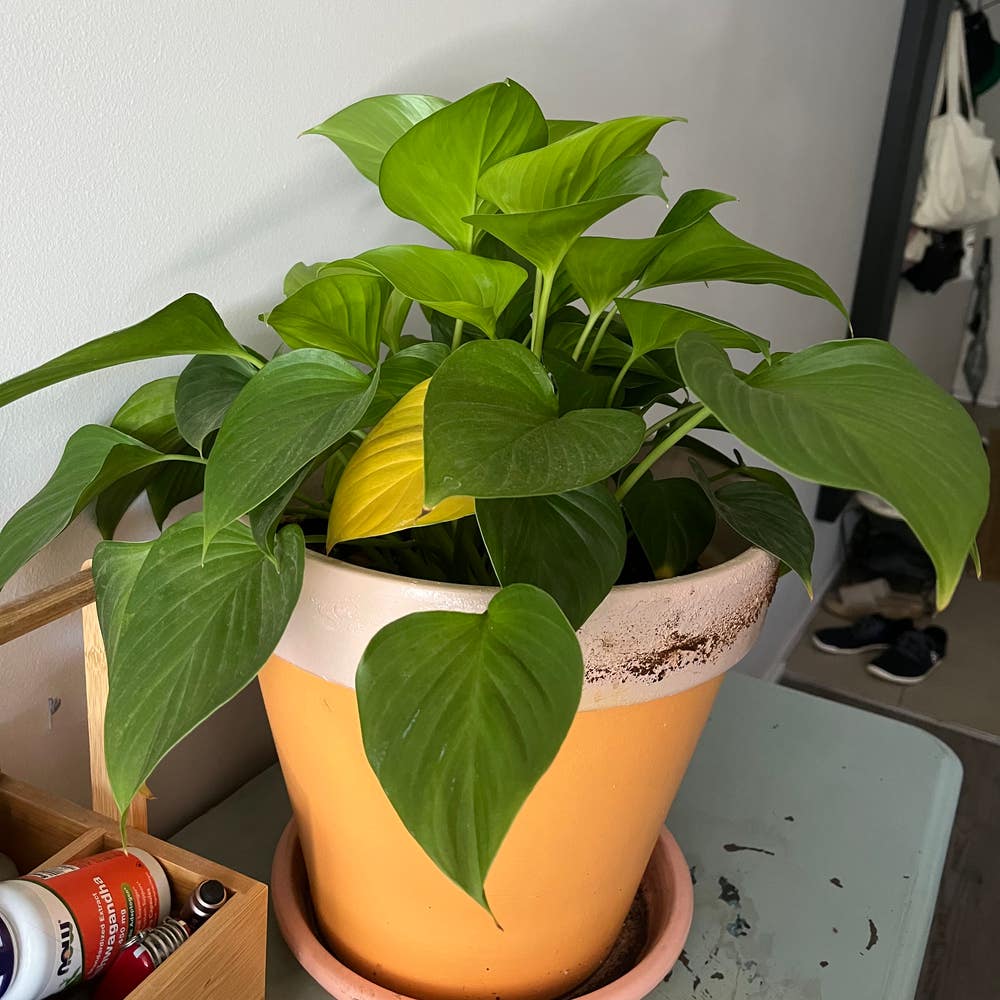
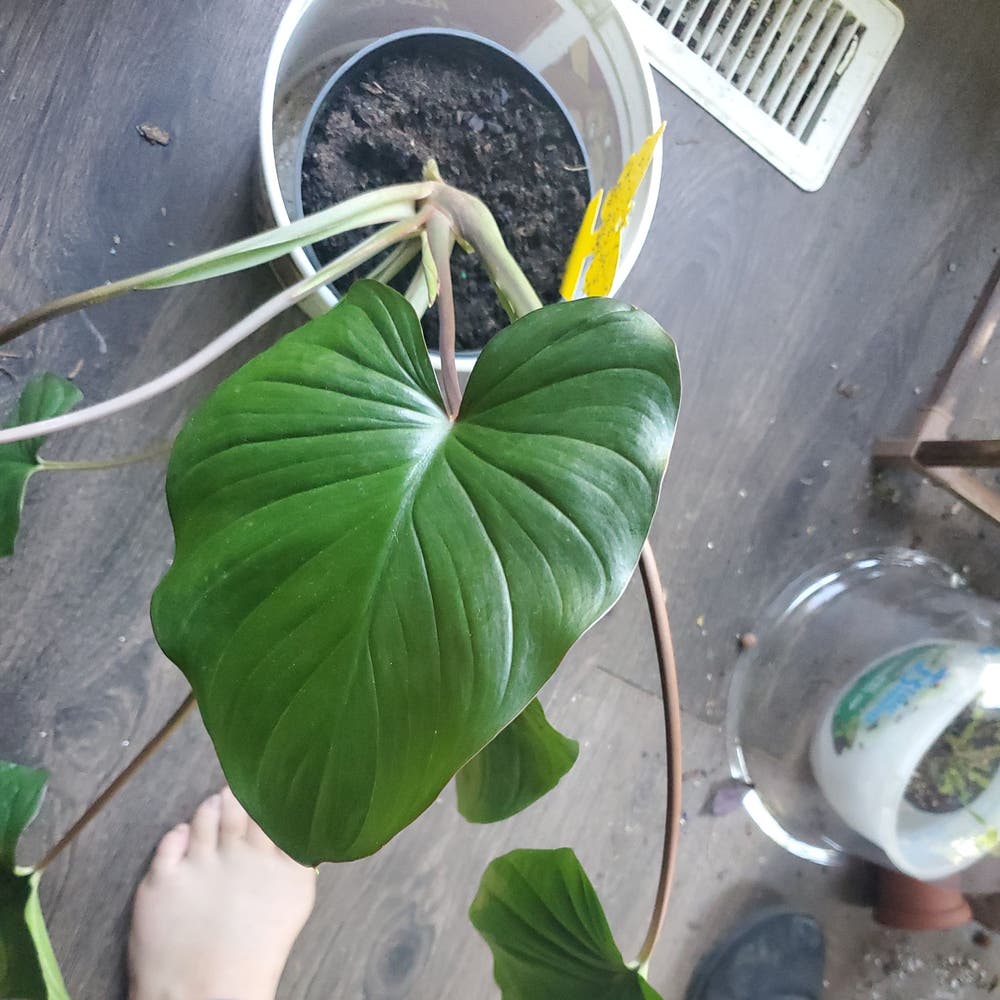
Ultimate Guide to Outdoor Homalomena 'Emerald Gem' Care 💧
Homalomena 'Emerald Gem'
By the Greg Editorial Team
Sep 28, 2024•6 min read
This article was created with the help of AI so we can cover more plants for you. May contain errors. See one? Report it here.
Transform your Homalomena 'Emerald Gem' into a lush beauty with essential care tips for sunlight and watering! 🌿
- 🌞 Homalomena 'Emerald Gem' needs 4-6 hours of bright, indirect sunlight daily.
- 💧 Water every 1-2 weeks; avoid overwatering to prevent yellow leaves and root rot.
- 🌱 Fertilize every 4-6 weeks with balanced nutrients for optimal growth and health.
Sunlight Needs
Ideal Sunlight Exposure 🌞
Homalomena 'Emerald Gem' thrives in bright, indirect sunlight. Direct sunlight can scorch its beautiful leaves, so aim for 4-6 hours of filtered sunlight daily to keep your plant happy and healthy.
Signs of Inadequate Light 🚨
If you notice yellowing leaves, it’s a clear sign your plant isn’t getting enough light. Additionally, leggy growth—where stems stretch out in search of light—indicates that your 'Emerald Gem' is craving more brightness.
Understanding these sunlight needs is crucial for maintaining the vibrancy of your plant. With the right light conditions, your Homalomena will flourish, setting the stage for the next essential aspect of care: watering requirements.
Watering Requirements
General Watering Guidelines 🌧️
To keep your Homalomena 'Emerald Gem' thriving, maintain consistently moist soil without letting it become waterlogged. This delicate balance is crucial; aim to water every 1-2 weeks, adjusting based on the weather conditions.
Signs of Overwatering and Underwatering 🚨
Watch for yellowing leaves, which often signal overwatering and potential root rot. Conversely, if you notice wilting or crispy leaf edges, your plant may be suffering from underwatering.
By keeping an eye on these signs, you can ensure your plant remains healthy and vibrant. Next, let’s explore the ideal soil preferences for your Homalomena 'Emerald Gem'.
Soil Preferences
Ideal Soil Composition 🌱
For your outdoor Homalomena 'Emerald Gem,' the right soil is crucial. Aim for a well-draining mix rich in organic matter to support healthy growth.
A recommended soil blend is 50% potting soil, 30% perlite, and 20% compost. This combination ensures proper aeration and moisture retention, creating an ideal environment for your plant.
Soil pH ⚗️
Soil pH plays a significant role in nutrient availability. The optimal pH range for your Homalomena is between 6.0 and 7.0.
Maintaining this pH level will help your plant thrive, ensuring it absorbs essential nutrients effectively. Regularly check your soil pH to keep your plant in peak condition.
With the right soil composition and pH, your Homalomena 'Emerald Gem' will flourish beautifully. Next, let’s explore the fertilization guidelines to keep your plant nourished and vibrant.
Fertilization Guidelines
Fertilization Schedule 🌱
To keep your Outdoor Homalomena 'Emerald Gem' thriving, fertilize every 4-6 weeks during the growing season, which spans spring and summer. This regular feeding helps support its vibrant growth and lush foliage.
Recommended Fertilizers 🧪
Opt for a balanced liquid fertilizer with an NPK ratio of 10-10-10. This ensures your plant receives equal parts nitrogen, phosphorus, and potassium for overall health.
For those leaning towards organic options, consider using fish emulsion or seaweed extract. These natural fertilizers not only nourish your plant but also enhance soil health, creating a thriving ecosystem.
By following these fertilization guidelines, you’ll set your 'Emerald Gem' up for success. With the right care, it will reward you with stunning foliage and robust growth.
As we move forward, let’s explore the best planting options for your Homalomena.
Planting Options
🌱 Container Planting: Benefits and Drawbacks
Benefits
Container planting offers remarkable mobility. You can easily reposition your Homalomena 'Emerald Gem' to capture optimal light or protect it from harsh weather.
Additionally, you have control over soil quality and drainage. This means you can create the perfect environment tailored to your plant's needs.
Drawbacks
However, container planting has its limitations. The limited root space can restrict growth, making it essential to choose an appropriately sized pot.
Moreover, containers require more frequent watering. The soil tends to dry out faster, especially in warmer months, so keep an eye on moisture levels.
🌍 In-Ground Planting: Benefits and Drawbacks
Benefits
In-ground planting provides more space for root expansion. This can lead to healthier, more robust plants that thrive in their natural environment.
You’ll also find that in-ground plants require less frequent watering. The soil retains moisture better, reducing the need for constant attention.
Drawbacks
On the flip side, in-ground planting offers less control over soil quality and drainage. You might encounter challenges if your garden soil isn’t ideal for your Homalomena.
Additionally, these plants can be vulnerable to ground pests and diseases. Regular monitoring is crucial to ensure your plant remains healthy and thriving.
In summary, both planting options have their unique advantages and challenges. Choosing the right one depends on your gardening style and the specific needs of your Homalomena 'Emerald Gem'. Next, let’s explore how to protect your plant from environmental factors.
Protection from Environmental Factors
🌦️ Weather Protection Strategies
Outdoor conditions can be harsh for your Homalomena 'Emerald Gem.' During extreme heat, using shade cloth can shield your plant from scorching rays.
Mulching is another effective strategy. It helps retain soil moisture and regulates temperature, creating a more stable environment for your plant.
🐞 Pest and Disease Management
Keeping an eye out for pests is crucial for maintaining your plant's health.
Common Outdoor Pests
Aphids are a common nuisance. Look for curled leaves and sticky residue as telltale signs of their presence.
Spider mites can also be problematic. Fine webbing and stippled leaves indicate these tiny pests are at work.
Common Diseases and Prevention
Root rot is a serious concern, often caused by overwatering. Ensure your soil drains well and stick to a proper watering schedule to prevent this issue.
Leaf spot can also affect your plant. To avoid it, steer clear of overhead watering and maintain good air circulation around your Homalomena.
With these protective measures in place, your plant will be better equipped to thrive in outdoor conditions. Next, let’s explore the seasonal care your Homalomena needs throughout the year.
Seasonal Care
🌱 Seasonal Changes and Their Impact
Spring is the time for your Homalomena 'Emerald Gem' to shine. As growth kicks into high gear, increase both watering and fertilization to support its vibrant development.
As fall approaches, it's essential to adjust your care routine. Gradually reduce watering as the plant's growth slows, allowing it to prepare for the cooler months ahead.
❄️ Winter Care Considerations
Winter brings unique challenges for outdoor plants. Protect your Homalomena from frost by bringing containers indoors or covering in-ground plants with frost cloths.
During this season, cut back on watering frequency. Allow the soil to dry slightly between waterings to prevent root rot while keeping your plant healthy.
☀️ Summer Care Considerations
Summer heat can be intense, so be prepared to increase your watering frequency. Higher evaporation rates mean your plant will need more moisture to thrive.
Keep a close eye on pests during the summer months. Outdoor conditions can attract unwanted visitors, so regular monitoring is key to maintaining a healthy plant.
With these seasonal care tips, your Homalomena 'Emerald Gem' will flourish throughout the year. Next, let’s explore how climate zones affect its growth and care.
Climate Zone Considerations
Best Zones for Outdoor Growth 🌿
Homalomena 'Emerald Gem' thrives in USDA zones 10-11. These zones provide the warm temperatures and humidity that this plant loves, but be cautious—it's sensitive to frost.
Adaptations for Different Climates ❄️
If you live in a cooler climate, container planting is a smart choice. This allows you to move your plant indoors during chilly nights or harsh weather.
Consider using frost cloths or greenhouses for added protection during the colder months. These strategies can help ensure your 'Emerald Gem' remains healthy and vibrant, no matter the season.
With the right care and adjustments, you can enjoy this stunning plant in various climates. Next, let’s explore how to protect your 'Emerald Gem' from environmental factors.
⚠️ Safety First
This content is for general information and may contain errors, omissions, or outdated details. It is not medical, veterinary advice, or an endorsement of therapeutic claims.
Always consult a qualified healthcare professional before using any plant as food, medicine, or supplement.
Never eat any plant (or feed one to pets) without confirming its identity with at least two trusted sources.
If you suspect poisoning, call Poison Control (800) 222-1222, the Pet Poison Helpline (800) 213-6680, or your local emergency service immediately.
Spotted an error? Please report it here.
Transform your Homalomena 'Emerald Gem' into a lush masterpiece 🌿 with Greg's tailored watering alerts and expert care tips that keep your plant thriving!