💎 Homalomena 'Emerald Gem' is Not an Invasive Plant
Homalomena 'Emerald Gem'
By the Greg Editorial Team
Sep 28, 2024•4 min read
This article was created with the help of AI so we can cover more plants for you. May contain errors. See one? Report it here.
Transform your garden with Homalomena 'Emerald Gem' 🌿—a beautiful, non-invasive plant that fosters harmony and biodiversity!
- 🌱 Homalomena 'Emerald Gem' is non-invasive, making it safe for gardens and homes.
- 🌿 Controlled growth habit allows it to coexist harmoniously with other plants.
- 🐾 Non-toxic to pets, it's a family-friendly choice that supports local biodiversity.
Plant Classification
Definition of Invasive Plants 🌱
Invasive plants are notorious for their rapid growth and aggressive spread. They often disrupt local ecosystems, outcompeting native species and causing significant ecological harm.
Homalomena 'Emerald Gem' stands apart from these invasive species. It lacks the aggressive traits that lead to colonization, making it a safe choice for gardens and indoor spaces.
Characteristics of Invasive Species 🦠
Invasive species typically exhibit a few key characteristics:
- Rapid Growth: They can quickly dominate an area.
- Aggressive Spread: They often reproduce prolifically, leading to overcrowding.
- Negative Impact: They disrupt local flora and fauna, harming biodiversity.
Homalomena 'Emerald Gem' does not fit this mold. Its growth is controlled and manageable, ensuring it coexists harmoniously with other plants.
Why Homalomena 'Emerald Gem' is Not Invasive 🌼
This plant's growth habits are gentle and deliberate. It thrives without overwhelming its surroundings, making it an excellent addition to any garden.
By understanding these distinctions, gardeners can appreciate the value of Homalomena 'Emerald Gem' without the fear of it becoming invasive. This plant enriches spaces rather than dominating them, promoting a balanced ecosystem.
Growth Habits
🌱 Typical Growth Patterns in Gardens
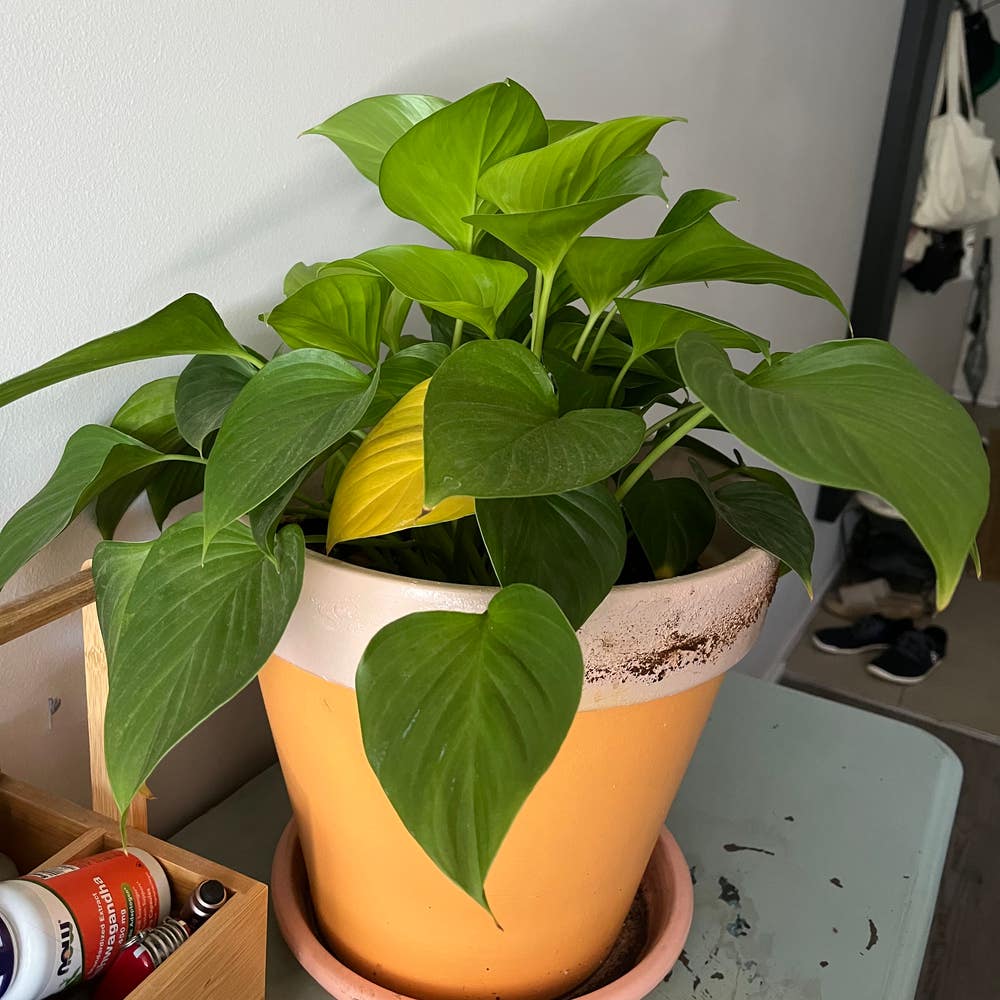
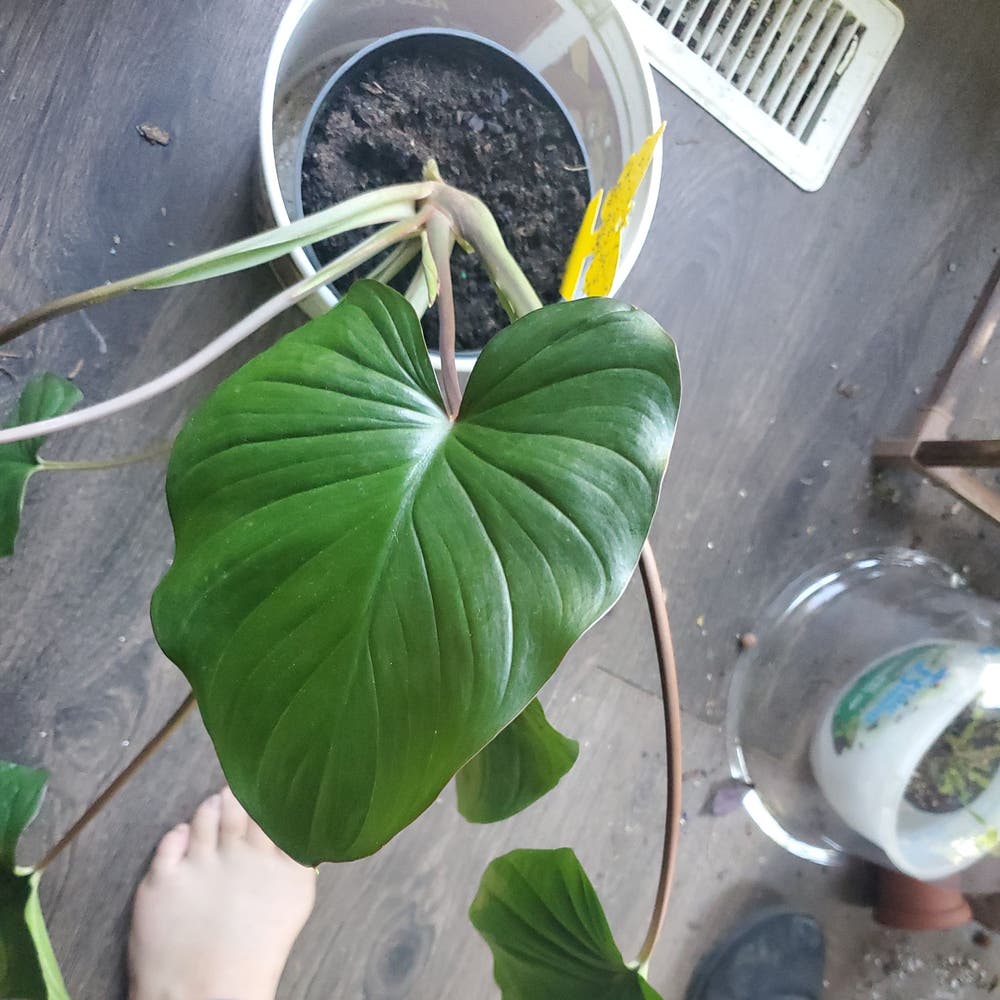
Homalomena 'Emerald Gem' boasts a compact and bushy growth form, typically reaching heights of 1 to 2 feet. Its lush, heart-shaped leaves can grow up to 12 inches long, creating a vibrant display that enhances any garden space.
📏 Natural Limits to Growth and Spread Potential
This plant has a slow growth rate, usually expanding by just 6 to 12 inches per year under optimal conditions. It thrives in humid environments and well-draining soil, which naturally limits its spread in drier or less suitable conditions.
Incorporating Homalomena 'Emerald Gem' into your garden can be a rewarding experience. Its manageable size and specific environmental needs make it an ideal choice for various settings, ensuring it remains a delightful addition without overwhelming your space.
Ecological Role
Benefits to Local Ecosystems 🌿
Homalomena 'Emerald Gem' plays a vital role in enhancing biodiversity. Its lush foliage provides habitat and food sources for various local wildlife, creating a mini-ecosystem right in your garden.
This plant also fosters positive interactions with wildlife. It attracts beneficial insects, such as pollinators, while being non-toxic to pets, making it a safe choice for families.
Incorporating Homalomena 'Emerald Gem' into your garden not only beautifies your space but also contributes to a healthier environment. By supporting local wildlife, you’re actively participating in the preservation of your ecosystem.
As you consider adding this plant to your garden, think about the broader impact it can have. Its presence can lead to a more vibrant and diverse garden, encouraging a harmonious balance between plants and wildlife.
Next, let’s explore how to effectively incorporate Homalomena 'Emerald Gem' into your garden designs for maximum benefit.
Garden Management
Incorporating Homalomena 'Emerald Gem' into Garden Designs 🌿
When planning your garden, consider placing Homalomena 'Emerald Gem' in shaded areas. This plant thrives in low light, making it perfect for spots that don't get direct sunlight.
As an indoor accent plant, it adds a touch of greenery to any room. Pair it with other shade-loving plants like ferns or peace lilies for a lush, vibrant display.
Growth Control Methods if Necessary ✂️
Pruning is an easy way to manage the size and shape of your Homalomena 'Emerald Gem'. Regular trimming helps maintain its compact form and encourages bushier growth.
Keep an eye on your plant's growth. If it starts to outgrow its space, you can easily intervene by cutting back excess foliage to keep it looking tidy and well-shaped.
Incorporating these practices will ensure your garden remains beautiful and balanced. With the right care, your Homalomena 'Emerald Gem' can thrive and enhance your green space.
Legal and Environmental Considerations
📜 Relevant Classifications and Guidelines
When considering planting Homalomena 'Emerald Gem', it's essential to check local regulations. Some areas may have specific guidelines to ensure that non-invasive plants are promoted.
Sourcing plants from reputable nurseries is crucial. This practice helps prevent the introduction of invasive species that could disrupt local ecosystems.
🌱 Sustainable Gardening Practices
Homalomena 'Emerald Gem' is a fantastic choice for sustainable gardening. Its low resource requirements make it an eco-friendly option that thrives without excessive care.
Integrating this plant into your garden design encourages biodiversity. By choosing non-invasive species like Homalomena, you contribute to a healthier, more balanced ecosystem.
Incorporating these practices not only beautifies your space but also supports the environment. As you plan your garden, consider how each plant can play a role in fostering a vibrant ecosystem.
⚠️ Safety First
This content is for general information and may contain errors, omissions, or outdated details. It is not medical, veterinary advice, or an endorsement of therapeutic claims.
Always consult a qualified healthcare professional before using any plant as food, medicine, or supplement.
Never eat any plant (or feed one to pets) without confirming its identity with at least two trusted sources.
If you suspect poisoning, call Poison Control (800) 222-1222, the Pet Poison Helpline (800) 213-6680, or your local emergency service immediately.
Spotted an error? Please report it here.
Add the stunning Homalomena 'Emerald Gem' to your space for a thriving garden 🌿 while Greg provides personalized care tips to keep it healthy and happy!