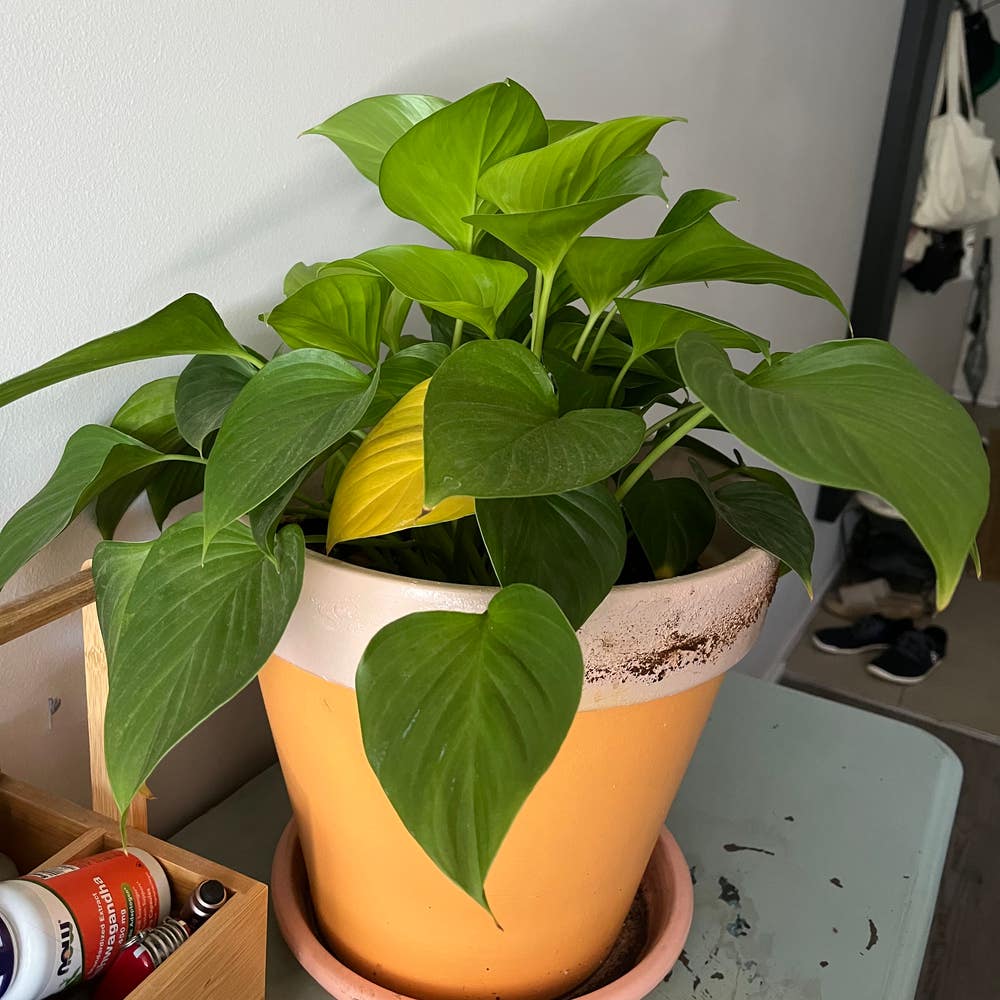
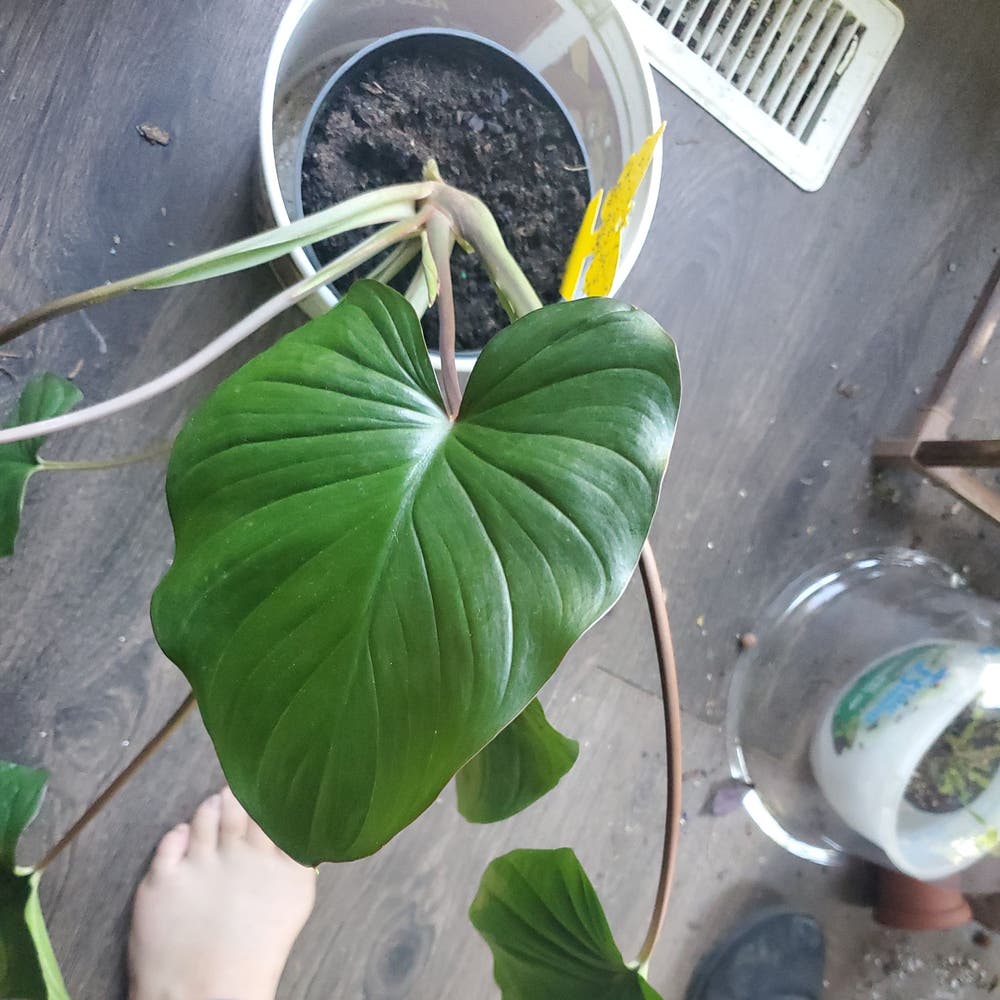
💎 4 Tips for Healthy Homalomena 'Emerald Gem' Roots
Homalomena 'Emerald Gem'
By the Greg Editorial Team
Sep 28, 2024•6 min read
This article was created with the help of AI so we can cover more plants for you. May contain errors. See one? Report it here.
Master Homalomena 'Emerald Gem' root care 🌱 to ensure a thriving, vibrant indoor garden that flourishes effortlessly!
- 🌱 Healthy roots thrive in well-draining soil; moisture management prevents root rot.
- 💧 Water only when top 1-2 inches dry to maintain optimal root health.
- 🌿 Repot every 1-2 years to avoid rootbound conditions and promote growth.
Root System Characteristics
Type of Root System 🌱
The Homalomena 'Emerald Gem' features a fibrous root system, which is a network of thin, branching roots. This structure offers several advantages, including enhanced stability and efficient nutrient uptake.
These roots have an extensive surface area, allowing them to absorb nutrients effectively. However, they are also sensitive to soil moisture levels, requiring careful attention to watering practices.
Specific Characteristics of Homalomena 'Emerald Gem' Roots 🌿
The roots of the 'Emerald Gem' are particularly adept at nutrient absorption due to their fibrous nature. This means they can thrive in well-draining soil, where they can access essential nutrients without the risk of waterlogging.
Additionally, their sensitivity to moisture levels makes it crucial to monitor soil conditions closely. Too much moisture can lead to root rot, while too little can stunt growth.
Understanding these characteristics helps in providing the right care for your plant, ensuring it remains healthy and vibrant.
With a solid grasp of the root system, we can now explore how these roots influence watering, fertilizing, and transplanting practices.
Root Depth, Spread, and Growth Patterns
Typical Root Depth and Spread 🌱
The roots of the Homalomena 'Emerald Gem' typically reach a depth of 6 to 12 inches in well-draining soil. Under optimal conditions, these roots can spread up to 2 feet in diameter, allowing the plant to access nutrients and moisture efficiently.
Growth Patterns 🌿
Root growth plays a crucial role in the overall health of your plant. Shallow roots need consistent moisture but can easily suffer from overwatering, making careful monitoring essential.
These plants thrive in tropical environments, adapting well to high humidity levels. Understanding their growth patterns will help you provide the best care possible, ensuring your Homalomena 'Emerald Gem' flourishes.
With a solid grasp of root depth and growth patterns, you're well on your way to nurturing a healthy plant. Next, let’s explore how to effectively water, fertilize, and transplant your Homalomena for optimal root health.
Watering, Fertilizing, and Transplanting
🌱 Influence of the Root System on Watering Needs
Watering your Homalomena 'Emerald Gem' requires a bit of finesse. Aim to let the top 1-2 inches of soil dry out between waterings to maintain optimal moisture levels.
Well-draining soil is crucial to prevent root rot, which can be a common issue. This plant thrives when its roots can breathe, so ensure your potting mix allows for adequate drainage.
🌿 Fertilizing Techniques Tailored to Root Health
To keep your plant healthy, use a balanced NPK fertilizer. This ensures that your Homalomena receives the essential nutrients it needs for robust root development.
Fertilize every 4-6 weeks during the growing season to support growth. This regular feeding helps your plant flourish and keeps its roots strong.
🌍 Best Practices for Transplanting
Transplanting can be a delicate process, but with the right steps, you can do it without damaging the roots. Start by watering the plant a day before you plan to transplant; this helps ease the transition.
Next, gently remove the plant from its pot, loosening the soil around the roots. Place it in a new pot filled with fresh, well-draining soil, and water thoroughly after transplanting to help settle the roots.
By following these guidelines, you’ll ensure that your Homalomena 'Emerald Gem' continues to thrive in its new environment. Now, let’s explore common root-related issues that can arise with this beautiful plant.
Common Root-Related Issues
🦠 Identifying Root Rot and Other Diseases
Root rot is a common issue for Homalomena 'Emerald Gem' plants. Look for symptoms like wilting, yellowing leaves, and a foul odor emanating from the soil.
Other diseases can also affect the roots. Fusarium wilt and root aphids are notable culprits that can compromise plant health.
🚫 Tips for Preventing Root-Related Problems
Proper watering techniques are crucial in preventing root-related issues. Always ensure the soil dries out slightly between waterings to avoid excess moisture.
Using sterilized soil and pots is another effective strategy. This practice helps prevent the spread of diseases, keeping your plant healthy and thriving.
By staying vigilant and adopting these preventive measures, you can maintain the health of your Homalomena 'Emerald Gem' roots. Next, we’ll explore how to distinguish between healthy and unhealthy roots, ensuring your plant remains vibrant and strong.
Healthy vs. Unhealthy Roots
👀 Visual Cues for Healthy Roots
Healthy roots are your plant's lifeline. Look for roots that are firm, with a white or light tan color, and a minimal odor.
🚨 Indicators of Unhealthy Roots and Corrective Measures
Unhealthy roots tell a different story. Signs include a dark, mushy texture and a foul smell, indicating potential root rot.
If you spot these issues, take action. Trim away the affected roots, repot the plant in fresh soil, and adjust your watering schedule to prevent recurrence.
Understanding these visual cues can help you maintain a thriving Homalomena 'Emerald Gem'. Healthy roots not only support the plant but also enhance its overall vitality.
Next, let's explore rootbound plants and how to identify and address this common issue.
Rootbound Plants
Definition and Signs of Rootbound Conditions 🌱
Rootbound plants occur when roots circle the pot, leading to stunted growth. You might notice roots emerging from drainage holes or the soil drying out quickly, both clear indicators that your plant needs attention.
When and How to Address Rootbound Issues 🛠️
To keep your Homalomena 'Emerald Gem' thriving, repot every 1-2 years or whenever you see signs of rootbound conditions.
- Gently remove the plant from its pot.
- Trim any circling roots to encourage new growth.
- Repot in a larger container filled with fresh soil.
Addressing rootbound issues promptly ensures your plant continues to flourish and absorb nutrients effectively. This proactive approach will keep your plant healthy and vibrant.
Propagation and Division
Importance of Root Health in Propagation 🌱
Healthy roots are crucial for successful propagation. They ensure that the plant can effectively absorb nutrients, which is vital for growth and recovery.
Roots play a significant role in nutrient uptake during the propagation process. Strong, well-developed roots can support new growth, making the transition smoother for the plant.
Techniques for Dividing and Propagating Homalomena 'Emerald Gem' ✂️
To successfully divide and propagate your Homalomena 'Emerald Gem', follow these steps:
- Water the plant a day before division. This helps to hydrate the roots and makes the separation easier.
- Carefully separate the root ball into sections. Ensure each section has roots and foliage to promote healthy regrowth.
- Replant in separate pots with appropriate soil mix. Use well-draining soil to support the new plants.
Timing is essential for successful propagation. It's best to divide and propagate during the growing season, as this allows for optimal recovery and growth.
With these techniques, you can expand your collection of Homalomena 'Emerald Gem' plants while ensuring their roots remain healthy and vibrant. This not only enhances your indoor garden but also deepens your connection to these beautiful plants.
⚠️ Safety First
This content is for general information and may contain errors, omissions, or outdated details. It is not medical, veterinary advice, or an endorsement of therapeutic claims.
Always consult a qualified healthcare professional before using any plant as food, medicine, or supplement.
Never eat any plant (or feed one to pets) without confirming its identity with at least two trusted sources.
If you suspect poisoning, call Poison Control (800) 222-1222, the Pet Poison Helpline (800) 213-6680, or your local emergency service immediately.
Spotted an error? Please report it here.
Keep your Homalomena 'Emerald Gem' roots thriving 🌱 with tailored care tips from Greg, ensuring they get just the right moisture and nutrients for vibrant growth!