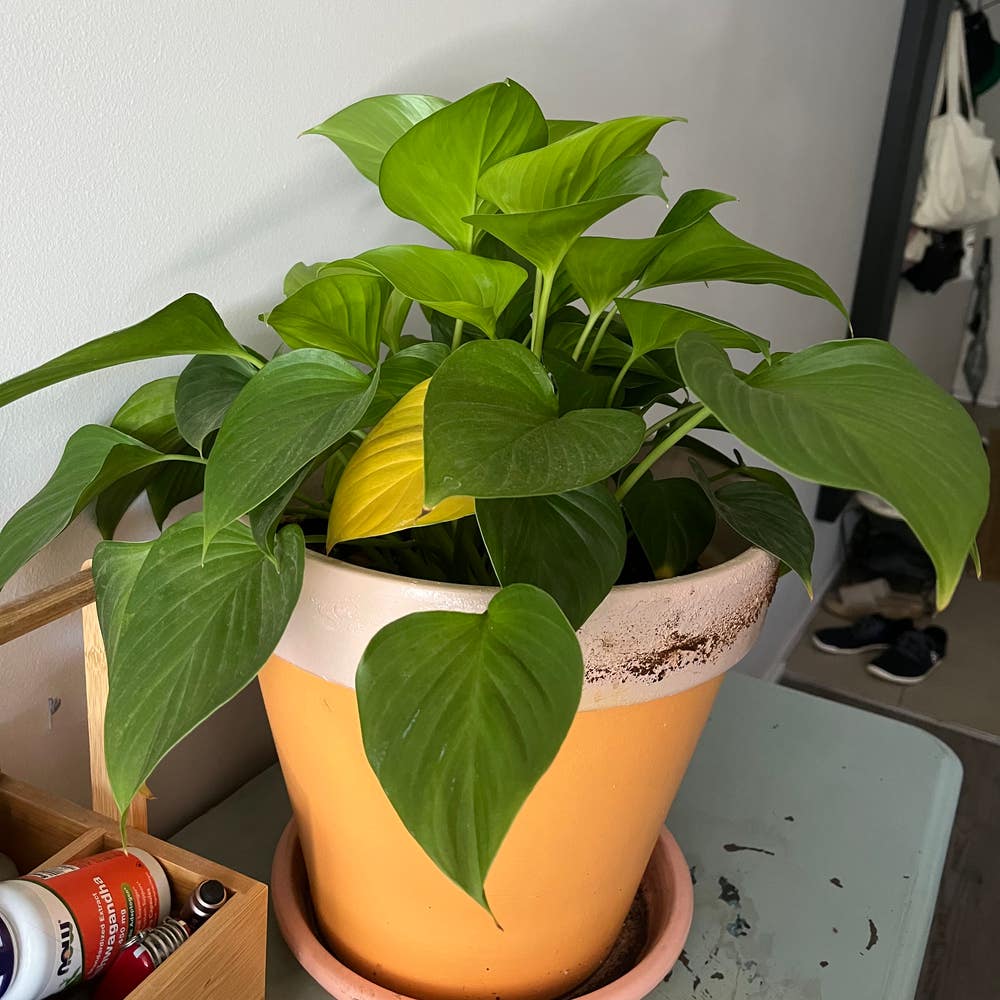
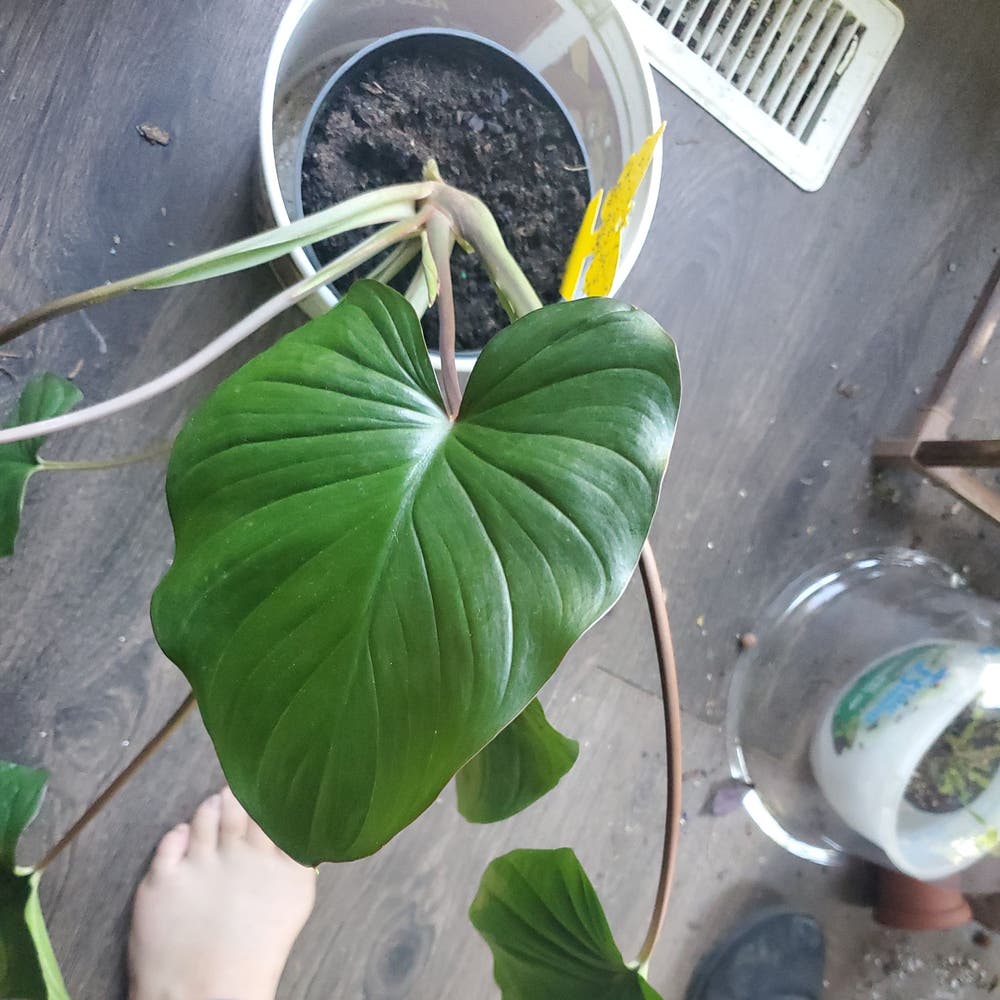
🌼 4 Facts About Homalomena 'Emerald Gem' Pollination
Homalomena 'Emerald Gem'
By the Greg Editorial Team
Sep 28, 2024•6 min read
This article was created with the help of AI so we can cover more plants for you. May contain errors. See one? Report it here.
Discover how Homalomena 'Emerald Gem' 🌿 thrives through unique pollination methods, enhancing your garden's beauty and biodiversity! 🐝
- 🌼 Homalomena 'Emerald Gem' self-pollinates, thriving without external pollinators.
- 🐝 Bees, butterflies, and moths are key pollinators, attracted by scent and color.
- 🌱 Creating a pollinator-friendly environment boosts reproduction and plant health.
Flower Structure
Description of Characteristics 🌿
Homalomena 'Emerald Gem' boasts inflorescences that are typically greenish-white and cylindrical in shape. This subtle design allows the flowers to blend seamlessly with the lush foliage, making them less conspicuous to the untrained eye.
The flowers are arranged in a spadix, which is enveloped by a protective spathe. This unique arrangement not only shelters the reproductive parts but also plays a crucial role in the plant's reproductive success.
Role in Pollination 🐝
The flower structure of Homalomena 'Emerald Gem' is particularly adept at self-pollination. The close proximity of the stamens and pistils allows pollen to transfer easily within the same flower, ensuring reproduction even in the absence of external pollinators.
However, the arrangement of these flowers also opens the door for cross-pollination. By attracting various pollinator species, the plant enhances its genetic diversity, which is vital for its long-term health and adaptability.
This dual capability of self and cross-pollination highlights the plant's resilience and adaptability in various environments. Understanding these mechanisms can deepen our appreciation for the intricate relationships between plants and their pollinators.
As we delve deeper into the pollination process, we’ll explore how these flowers attract their essential pollinators.
Pollination Process
Self-Pollination Mechanism 🌱
Homalomena 'Emerald Gem' has a fascinating ability to self-pollinate. The close proximity of its reproductive parts allows pollen to transfer easily from the stamens to the pistils within the same flower.
This self-sufficiency is beneficial, but the plant also thrives through additional pollination methods. Attracting pollinators can significantly enhance seed production and genetic diversity.
Identification of Primary Pollinators 🐝
Several key pollinators are drawn to the 'Emerald Gem.'
- Bees are attracted by the subtle fragrance and nectar.
- Butterflies are drawn to the flower's color and shape.
- Moths contribute to nighttime pollination, ensuring that the plant's reproductive cycle continues around the clock.
Attraction Mechanisms for Pollinators 🎨
The 'Emerald Gem' employs various strategies to attract its pollinators.
Scent and color play crucial roles in luring them in. Additionally, the timing of flowering is carefully coordinated to coincide with peak pollinator activity, maximizing the chances of successful pollination.
Understanding these mechanisms not only highlights the plant's adaptability but also sets the stage for exploring natural pollination methods.
Natural Pollination
🌬️ Pollen Transfer Mechanisms
Pollination in Homalomena 'Emerald Gem' primarily occurs through two methods: wind and visiting pollinators. The flower's structure facilitates this transfer, allowing pollen from the male parts to reach the female parts efficiently.
Wind can carry pollen over short distances, but the real magic happens when pollinators like bees and butterflies visit the flowers. As they forage for nectar, they inadvertently pick up pollen and transport it to other flowers, ensuring successful fertilization.
🌼 Importance of Pollination
Pollination is crucial for plant reproduction. It guarantees seed production, which is essential for the continuation of the species and enhances genetic diversity.
Moreover, effective pollination contributes significantly to the overall health and vigor of the plant. A well-pollinated Homalomena 'Emerald Gem' will exhibit more robust growth, showcasing lush foliage and vibrant flowers.
Understanding these processes not only highlights the beauty of nature but also sets the stage for the next section on hand pollination techniques.
Hand Pollination Techniques
Hand pollination can be a rewarding way to ensure the success of your Homalomena 'Emerald Gem.' This technique is particularly useful when natural pollinators are scarce or when you want to control the pollination process for better seed production.
🌱 Step-by-Step Instructions
1. Identifying Male and Female Flower Parts
Start by locating the male and female parts of the flower. The male parts are the stamens, which produce pollen, while the female parts are the pistils, designed to receive that pollen.
2. Collecting Pollen
Next, gently collect pollen from the stamens. A small brush or cotton swab works wonders for this task, allowing you to gather the pollen without damaging the flower.
3. Transferring Pollen
Once you have collected the pollen, it's time to transfer it. Carefully apply the pollen to the stigma of the pistil, ensuring good contact for successful fertilization.
4. Timing
Timing is crucial for effective hand pollination. Aim to perform this process during the flowering period when the flowers are fully open, maximizing the chances of successful pollination.
Hand pollination not only boosts seed production but also enhances your connection to the plant. By taking this hands-on approach, you can ensure your Homalomena 'Emerald Gem' thrives, paving the way for a vibrant garden filled with life.
As you explore these techniques, consider how they can complement natural pollination methods, enriching your gardening experience.
Supporting Pollinators
🌼 Creating a Pollinator-Friendly Environment
To support pollinators, start by planting native flowers that bloom at different times throughout the year. This strategy ensures a continuous food source, attracting a variety of pollinators to your garden.
Additionally, providing water sources and shelter can significantly enhance the habitat for these essential creatures. Simple features like shallow dishes of water or small brush piles can make a big difference.
🌱 Companion Plants
Companion planting is another effective way to attract beneficial pollinators. Here are some excellent choices:
Marigolds: These vibrant flowers are not just pretty; they attract bees and butterflies, adding life to your garden.
Lavender: Known for its delightful scent, lavender draws in a variety of pollinator species, making it a must-have in any pollinator-friendly garden.
Milkweed: This plant is essential for attracting monarch butterflies, providing both food and habitat for their caterpillars.
By incorporating these plants, you create a thriving ecosystem that supports pollinators and enhances the beauty of your garden.
As you cultivate this environment, remember that every small effort counts. Your garden can become a sanctuary for pollinators, contributing to their survival and the health of our planet.
Pollination Challenges
Common Obstacles 🌪️
Pollination can be tricky for Homalomena 'Emerald Gem' due to various environmental factors. Temperature and humidity levels play a significant role in flowering and overall pollination success.
Urban settings often present another challenge: a lack of natural pollinators. This scarcity can hinder the plant's ability to reproduce effectively.
Solutions for Overcoming Challenges 💪
To combat these issues, consider adjusting growing conditions to mimic tropical environments. High humidity and warm temperatures can create a more favorable atmosphere for flowering.
Hand pollination serves as a reliable backup method. This technique ensures successful fertilization when natural pollinators are scarce.
Utilizing indoor gardening techniques can also help. Creating a conducive environment for flowering and pollination can significantly enhance your plant's health and productivity.
By addressing these challenges, you can foster a thriving ecosystem for your Homalomena 'Emerald Gem' and ensure its continued growth and reproduction.
⚠️ Safety First
This content is for general information and may contain errors, omissions, or outdated details. It is not medical, veterinary advice, or an endorsement of therapeutic claims.
Always consult a qualified healthcare professional before using any plant as food, medicine, or supplement.
Never eat any plant (or feed one to pets) without confirming its identity with at least two trusted sources.
If you suspect poisoning, call Poison Control (800) 222-1222, the Pet Poison Helpline (800) 213-6680, or your local emergency service immediately.
Spotted an error? Please report it here.
Unlock the secrets of Homalomena 'Emerald Gem' pollination 🌼 with Greg's tailored care tips, ensuring your plant thrives and attracts the right pollinators for a vibrant garden!