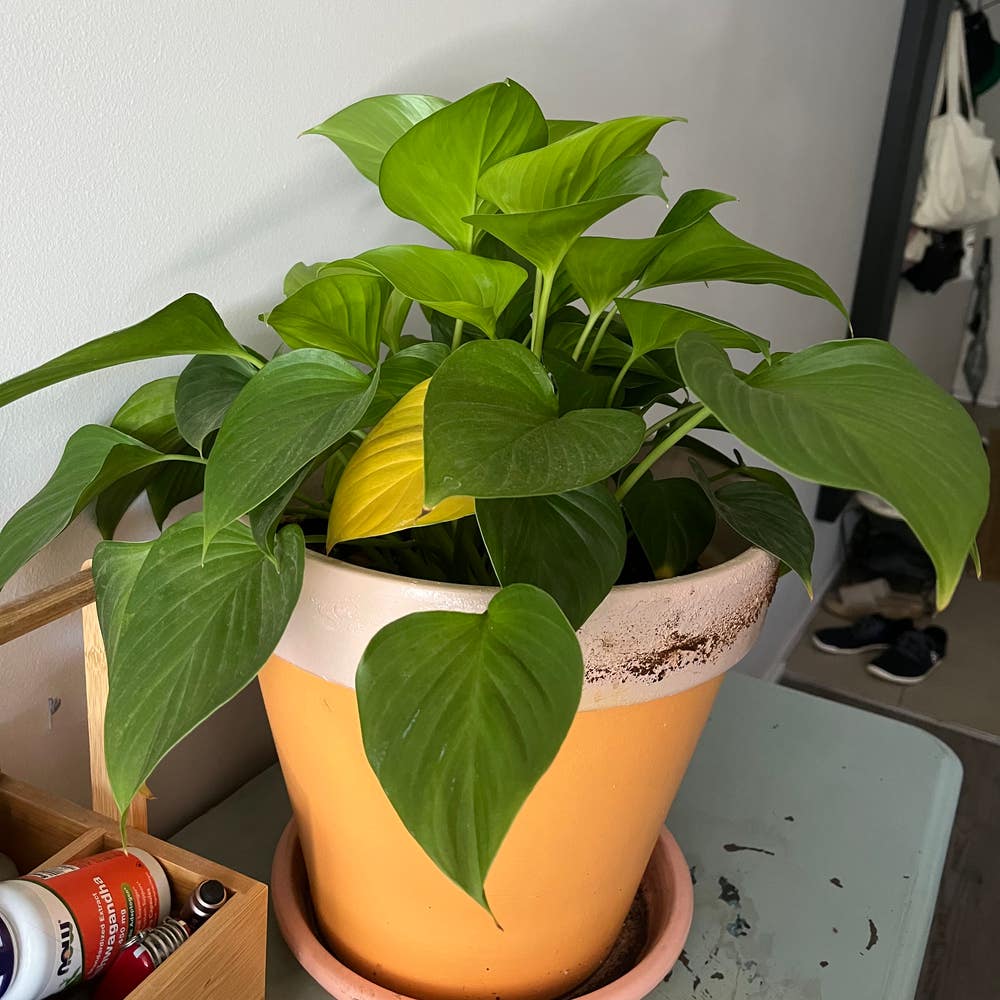
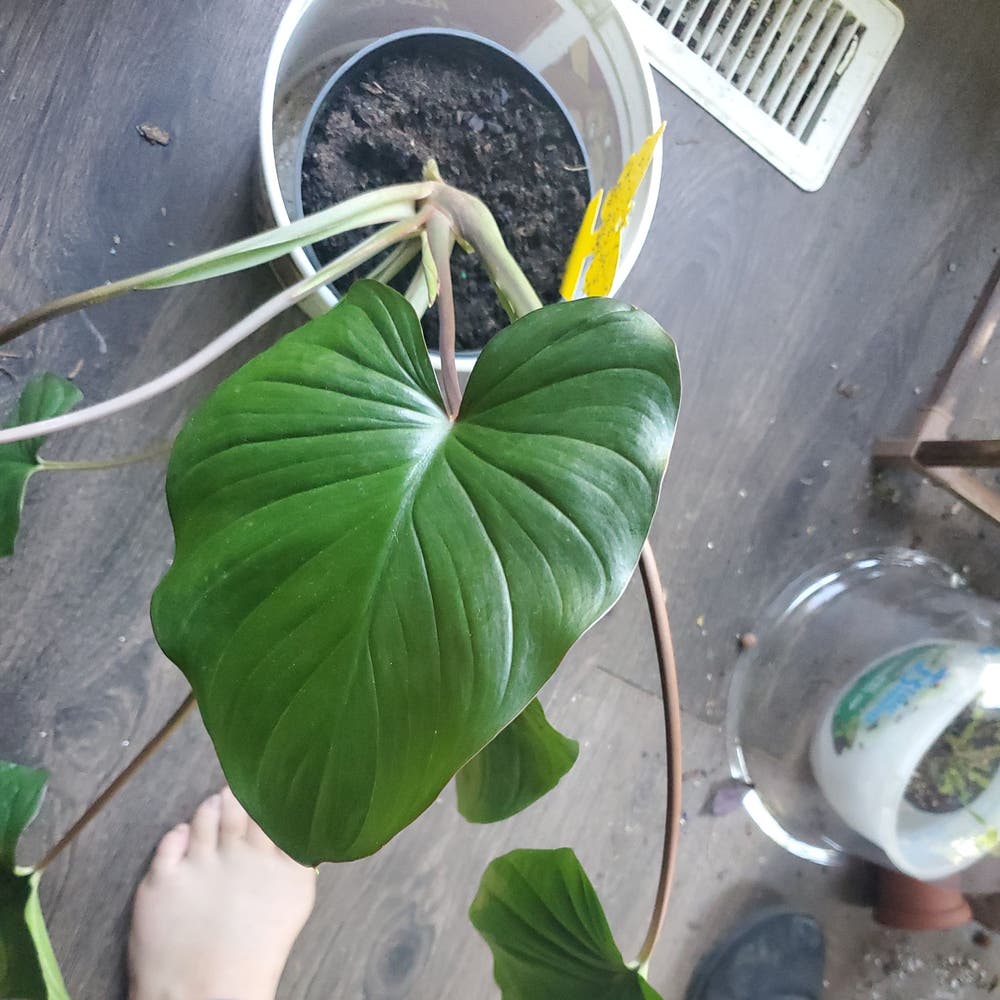
Why Are My Homalomena 'Emerald Gem' Leaves Mushy?
Homalomena 'Emerald Gem'
By the Greg Editorial Team
Jun 18, 2024•5 min read
This article was created with the help of AI so we can cover more plants for you. May contain errors. See one? Report it here.
Save your Homalomena 'Emerald Gem' from mushy doom with our life-saving plant care tips! 🌿💚
- Overwatering isn't the only villain; poor drainage and diseases also cause mushiness.
- Root rot demands quick action—trim rot, repot, and improve soil drainage.
- Prevent mushy leaves with disciplined watering and regular plant inspections.
Spotting the Signs: Is It Really Overwatering?
Identifying overwatering symptoms in Homalomena 'Emerald Gem' goes beyond just mushy leaves.
🚱 Telltale Signs Beyond the Mush
Yellowing leaves and a wilted appearance can signal excessive water. If the leaves droop as if they've lost all hope, it's a red flag. Mushy stems are your plant's cry for help.
🌱 Checking the Soil: The First Diagnostic Step
Before you water, perform the finger test. If the soil feels like a wet sponge, skip the watering can. Ensure your pot has drainage holes; they're not just a suggestion, they're a necessity.
🕵️ Root Check: The Underground Story
A root autopsy can reveal the hidden truth. Dark, mushy roots are a telltale sign of root rot. It's a silent killer that requires immediate action.
📏 Moisture Meters and Gadgets
For those who love tech, consider a soil moisture meter. It's like having a personal hydration assistant for your plant.
👀 Visual and Tactile Clues
Look for leaves that are more bloated than a holiday feast. Touch the stems; if they feel soft, it's time to rethink your watering schedule.
👃 The Smell Test
Trust your nose—if there's a stench reminiscent of last week's forgotten leftovers, it's likely root rot, and it's time for an intervention.
💧 Overwatering vs. Underwatering: The Balance Game
Brown, crispy leaves often mean underwatering, while a plant that looks like it's drowning points to overwatering. Balance is key—your Homalomena 'Emerald Gem' isn't training for a swim meet.
Remember, the goal is to keep your plant's "feet" moist, not submerged.

When Water Isn't the Culprit: Other Causes of Mushiness
🚰 Poor Drainage and Its Role
Poor drainage can turn your Homalomena 'Emerald Gem' into a botanical bog of despair. The roots need to breathe, not swim.
To improve drainage, ensure your pot has drainage holes. A quick fix is to mix in some perlite or sand to make the soil less like a wet sponge and more like a well-aerated bed.
🩹 The Sneaky Foe: Root Rot
Root rot is the silent scream of your Homalomena 'Emerald Gem'. Black or brown roots and a stench of decay are the red flags.
If you spot these symptoms, it's time for root surgery. Trim the rot, repot with fresh, well-draining soil, and cross your fingers for a comeback.
🍄 Fungal Foes: Diseases That Cause Decay
Fungal diseases are the party crashers no plant owner invited. Yellow halos or water-soaked spots on leaves are the calling cards of these uninvited guests.
To combat these fungal foes, isolate the affected plant and consider a fungicide. Remember, the best offense is a good defense—preventative care is key.

Turning the Tide: Rescuing Your Plant
💧 Fine-Tuning Your Watering Routine
Consistency is your Homalomena 'Emerald Gem's' new best friend. Establish a watering schedule that allows the soil to dry out slightly between waterings. If the leaves droop, it's a signal—check the soil. Soggy means back off, dry means it's time to hydrate.
Use tools like moisture meters or the trusty finger test to gauge soil moisture. Remember, overwatering is a no-go. Adjust with the seasons; your plant's thirst changes with the temperature.
🌱 Reviving the Roots
Suspect root rot? Act fast. Gently remove your plant from its pot and inspect the roots. Healthy roots are firm and white, while rotten ones are mushy and brown.
Trim the damaged roots with sterile shears. Repot in fresh, well-draining soil and a clean pot. Post-surgery, water sparingly to encourage recovery without overwhelming the roots.
🍄 Fighting the Fungus Among Us
Fungal diseases can turn your Homalomena 'Emerald Gem' into a mushy mess. Look for discolored spots or a powdery coating on leaves. These are red flags.
Treat with appropriate fungicides, following the label to the letter. Keep the plant isolated to prevent spreading. Prevention beats cure, so ensure good air circulation and avoid wetting the leaves during watering.

Prevention Is Key: Keeping Your Homalomena 'Emerald Gem' Happy
💧 Proactive Watering Strategies
To dodge future mushy leaf mishaps, watering discipline is non-negotiable. Only water when the soil feels dry to the touch—an inch deep, if you want specifics. Overenthusiastic watering is a surefire path to root rot. Think of your watering can as a precision tool, not a fire hose.
🌱 The Right Pot and Soil Mix
Pot choice matters more than you think. Opt for one with drainage holes to give excess water an escape route. As for the soil, aim for a well-draining mix—perlite, sand, and peat moss are your allies here. It's like creating a comfy bed for your plant's roots, one that's cozy but doesn't cling.
👩⚕️ Regular Plant Check-Ups
Routine inspections are your plant's best defense. Get up close and personal with your Homalomena 'Emerald Gem' to spot early signs of distress. Pests? Show them the door before they get too comfortable. And remember, a clean plant is a happy plant—wipe those leaves down to keep them looking sharp.
⚠️ Safety First
This content is for general information and may contain errors, omissions, or outdated details. It is not medical, veterinary advice, or an endorsement of therapeutic claims.
Always consult a qualified healthcare professional before using any plant as food, medicine, or supplement.
Never eat any plant (or feed one to pets) without confirming its identity with at least two trusted sources.
If you suspect poisoning, call Poison Control (800) 222-1222, the Pet Poison Helpline (800) 213-6680, or your local emergency service immediately.
Spotted an error? Please report it here.
Keep your Homalomena 'Emerald Gem' healthy and firm-leaved 💧 with Greg's custom watering reminders, ensuring just the right amount of moisture to prevent overwatering woes.