How Do I Cure Homalomena 'Emerald Gem' Root Rot?
Homalomena 'Emerald Gem'
By the Greg Editorial Team
Jun 18, 2024•4 min read
This article was created with the help of AI so we can cover more plants for you. May contain errors. See one? Report it here.
Rescue your 'Emerald Gem' 🌿 from root rot's clutches with life-saving care tips!
- Yellow leaves and mushy roots signal root rot; act fast!
- Repot with well-draining soil and check for dry topsoil before watering.
- Maintain 65-80°F and 40-60% humidity for a healthy 'Emerald Gem'.
Spotting the Red Flags: Symptoms of Root Rot
💛 Yellow Leaves and Wilting: Not Just a Bad Day
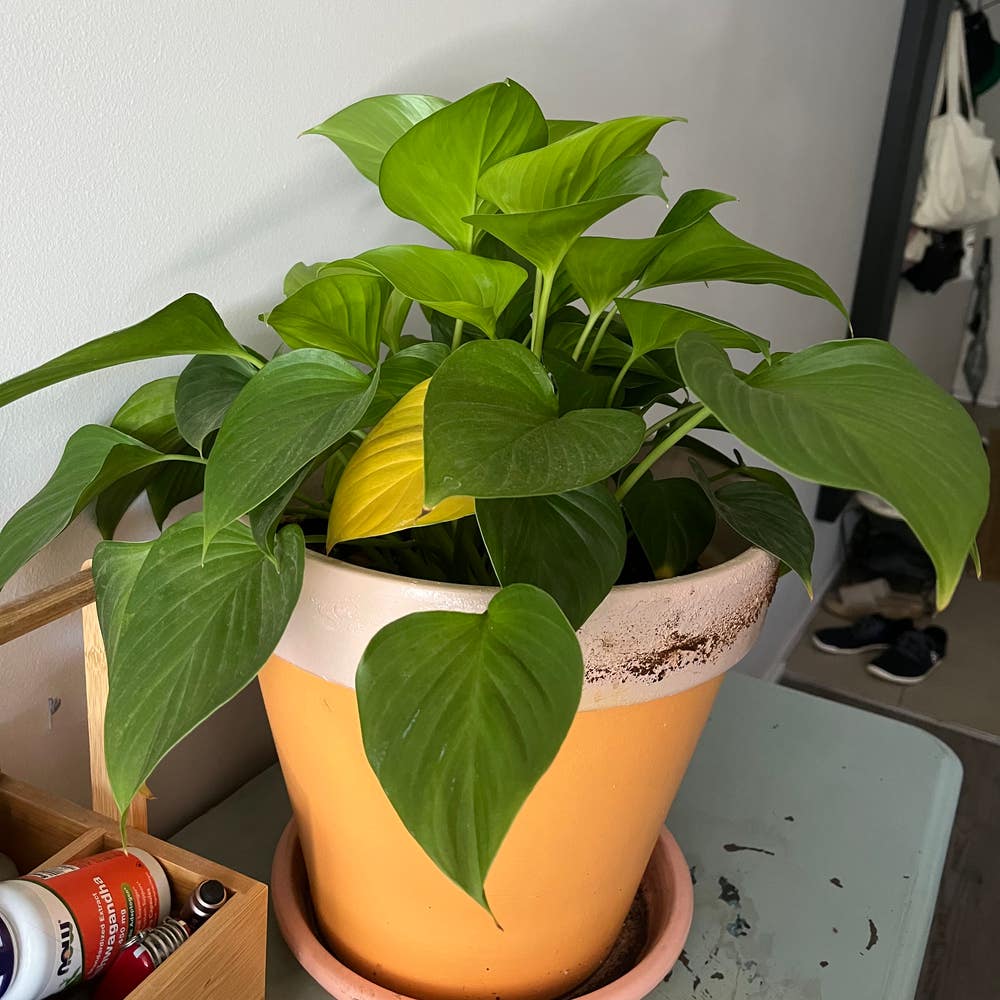
When your Homalomena 'Emerald Gem' starts sporting yellow leaves and wilting, it's not trying to keep up with autumn trends. It's a distress signal, a visual SOS that demands your attention. Wilting is the plant's equivalent of raising a white flag; it's time to take action, not admire the change of palette.
🍄 Mushy Roots and Foul Smells: The Telltale Heart of Root Rot
Dive into the soil and get hands-on. If the roots feel like they've been marinating in sadness, you've got a case of mushy roots. This is the botanical equivalent of a squishy marshmallow, and it's just as unappetizing for your plant's health. And the smell? If sniffing the soil evokes memories of a forgotten gym locker, that's the stench of decay. Foul odors are your olfactory alarm bells ringing, signaling it's time to rescue your 'Emerald Gem' from the clutches of root rot.

The Rescue Mission: Treating Root Rot
🚨 Immediate Action and Root Assessment
When root rot strikes your Homalomena 'Emerald Gem', it's time for triage. First, remove the plant from its pot with urgency, as if you're defusing a bomb. Gently wash the roots to clear away the soil, which at this point is more of an accomplice than an ally.
Next, grab your sterilized scissors and prune the damaged roots. You're not just giving your plant a trim; you're saving its life. Cut until you see healthy, white roots, and discard the brown, mushy offenders. It's a dirty job, but someone's got to do it.
🌱 Repotting and Soil Management
Now, for the fresh start. Select a pot with drainage holes—think Swiss cheese—and fill it with well-draining soil. This isn't just a new home; it's a fortress against future root rot assaults.
The repotting process is straightforward: plant, pat, and ponder. Ensure the 'Emerald Gem' sits at the same depth as before, and resist the urge to water it immediately. Let the roots breathe and recover from the shock. Only water when the soil feels like a wrung-out sponge—damp, not drenched.

Water Wisely: Preventing Root Rot Through Irrigation
💧 Decoding the Watering Schedule
Timing is everything. Your Homalomena 'Emerald Gem' doesn't stick to a human's 9-to-5 schedule, so neither should its watering routine. Water deeply, then let the soil approach dryness before the next session. This isn't just a suggestion; it's a survival strategy for your plant's roots.
👆 The Touch Test
Trust, but verify with your fingers. The top inch of soil should feel dry before you even think about watering again. If it's damp, step away from the watering can. Overwatering is like giving your plant a one-way ticket to Root Rot City.
🍂 Seasonal Adjustments
Plants have seasonal moods too. In summer, they're thirsty beasts; in winter, they're more like camels. Adjust your watering frequency accordingly, and watch for those subtle leafy signals that scream, "I've had enough!"
🛠 Utilizing Tools
For those who love gadgets, a moisture meter can be a game-changer. It's like having a plant whisperer right at your fingertips, telling you when to water and when to wait.
🌱 Pot and Soil Considerations
Ensure your pot has drainage holes. It's a simple step, but it's the difference between a happy plant and a swampy mess. Pair this with a well-draining soil mix to create the perfect home for your 'Emerald Gem.'
Remember, watering your Homalomena 'Emerald Gem' is less about sticking to a strict schedule and more about tuning into the plant's needs. Keep the soil moist, but not wet, and you'll be on the right track to preventing root rot.

Creating a Root-Friendly Environment
💨 Humidity and Air Circulation
Humidity is like your plant's personal weather system—get it wrong, and you're asking for trouble. For the Homalomena 'Emerald Gem', aim for that Goldilocks zone: 40-60% humidity. It's not too muggy, not too dry, but just right.
To keep the air moving, think of a gentle breeze, not a tornado. Good circulation prevents the dreaded fungal fiesta, but avoid placing your plant in the path of harsh winds. A fan set on low or an open window can work wonders for air flow, just don't let it turn into a wind tunnel.
🌡️ Temperature and Location
When it comes to temperature, think of your 'Emerald Gem' as a fan of springtime. It thrives in a warm range between 65°F and 80°F (18.3°C to 26.7°C). Avoid the extremes—no saunas (heaters) or igloos (air conditioners).
Location is key. Dodge those drafty spots and direct heat sources like they're the last slice of pizza at a party. Instead, cozy up your plant in a stable environment where it won't shiver or sweat. Kitchens and bathrooms can be humidity havens, but only if the lighting is on point.
⚠️ Safety First
This content is for general information and may contain errors, omissions, or outdated details. It is not medical, veterinary advice, or an endorsement of therapeutic claims.
Always consult a qualified healthcare professional before using any plant as food, medicine, or supplement.
Never eat any plant (or feed one to pets) without confirming its identity with at least two trusted sources.
If you suspect poisoning, call Poison Control (800) 222-1222, the Pet Poison Helpline (800) 213-6680, or your local emergency service immediately.
Spotted an error? Please report it here.
Combat root rot and keep your Homalomena 'Emerald Gem' thriving with Greg's 🌱 custom reminders to ensure just-right watering and care, tailored to your home's unique conditions.