Identifying What is Eating Your Aglaonema 'Silver Bay' 🐛
Aglaonema 'Silver Bay'
By the Greg Editorial Team
Sep 29, 2024•5 min read
This article was created with the help of AI so we can cover more plants for you. May contain errors. See one? Report it here.
Safeguard your beautiful Aglaonema 'Silver Bay' 🌿 from pesky herbivores with these effective protection strategies!
- 🌿 Aglaonema 'Silver Bay' attracts herbivores; protect it with barriers and repellents.
- 🐾 Signs of damage include hoof prints for deer and droppings for rabbits.
- 🚫 Quick action is vital to prevent extensive damage from herbivore activity.
Description and Appeal of Aglaonema 'Silver Bay'
Appearance 🌿
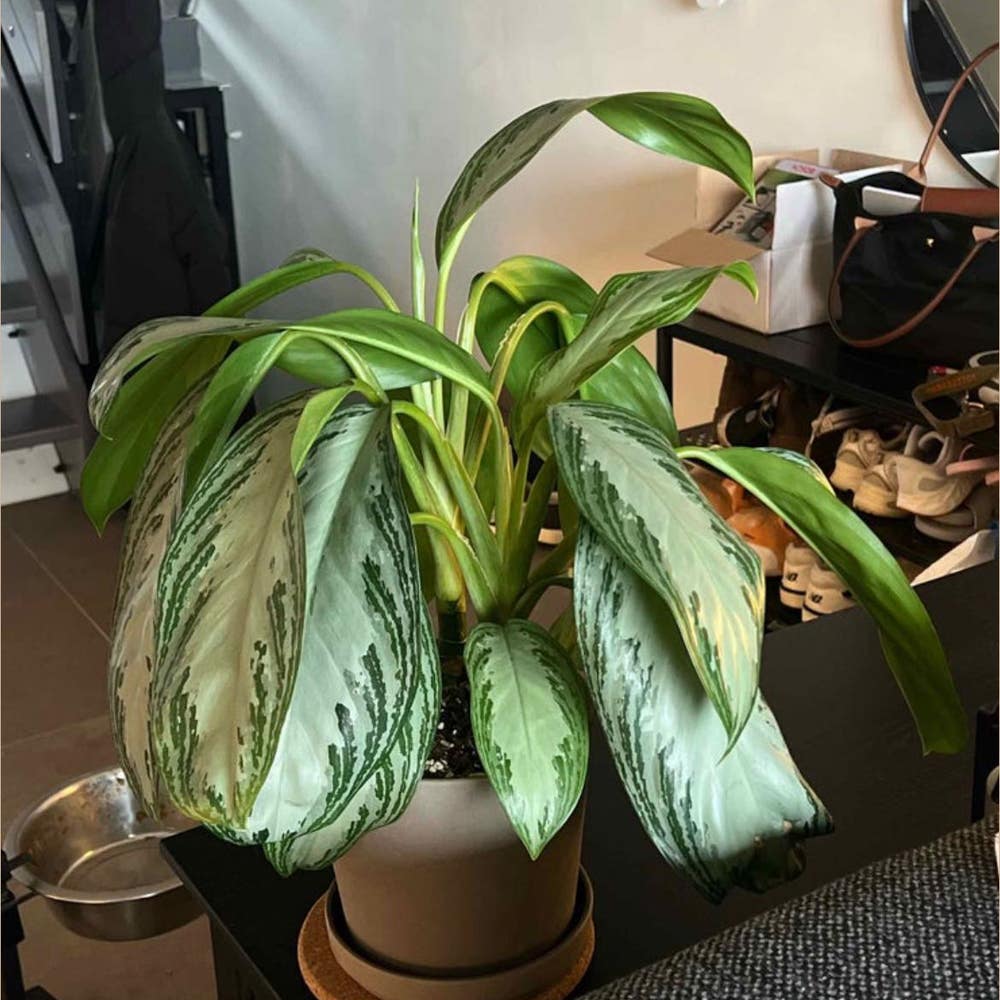
Aglaonema 'Silver Bay' captivates with its striking silver-green leaves that boast a glossy finish. This plant typically grows in a compact and bushy manner, reaching heights of 1 to 3 feet, making it an ideal choice for both indoor and outdoor spaces.
Most Appealing Parts to Animals 🐾
Herbivores are particularly drawn to the young shoots of this plant, which are tender and moist. Additionally, the soft texture and high moisture content of the leaves make them irresistible to various animals, leading to potential damage if not managed properly.
Understanding the allure of Aglaonema 'Silver Bay' is crucial for protecting it from herbivores. With its beauty comes the responsibility of safeguarding this stunning plant from unwanted nibblers.
Next, let’s explore the common herbivores that might be affecting your Aglaonema 'Silver Bay'.
Common Herbivores Affecting Aglaonema 'Silver Bay'
🦌 Deer
Signs of presence
Look for distinct hoof prints in the soil and dark, pellet-like droppings near your Aglaonema 'Silver Bay'. These signs indicate that deer are frequent visitors.
Type of damage
Deer often leave behind irregularly shaped bites on leaf edges and may snap stems off at the base. This can severely impact the plant's health and appearance.
Beneficial vs. harmful interaction
Interactions with deer are generally harmful. If not managed, they can decimate your plant population.
Deterrent methods
To keep deer at bay, consider installing 8-foot tall fencing. Alternatively, use commercial deer repellents or homemade solutions like garlic spray to deter them.
🐇 Rabbits
Signs of presence
Rabbits leave clean cuts on leaf margins and small, round droppings scattered around the base of the plant. These signs can help you identify their presence.
Type of damage
Expect significant leaf loss and stunted growth if rabbits are munching on your plants. This can lead to overall decline in plant health.
Beneficial vs. harmful interaction
Rabbits are generally harmful to Aglaonema 'Silver Bay'. Their feeding habits can lead to severe plant damage.
Deterrent methods
To protect your plants, cover them with garden netting. You can also use natural repellents like cayenne pepper or vinegar sprays for added protection.
🐿️ Squirrels
Signs of presence
Look for visible gnaw marks on stems and disturbed soil around the base of the plant. These signs indicate squirrel activity.
Type of damage
Squirrels can weaken your plant structure by gnawing on stems and may even uproot young plants. This can be particularly damaging.
Beneficial vs. harmful interaction
Interactions with squirrels are generally harmful. They can cause significant damage to young plants.
Deterrent methods
Use reflective objects or noise-making devices as scare tactics. Setting humane traps can also help you relocate squirrels.
🐦 Birds
Signs of presence
Feathers found near the plant and small peck marks on leaves are signs that birds are around. These indicators can help you monitor their activity.
Type of damage
Birds may eat seeds or young shoots, and their pecking can damage leaf surfaces. This reduces the aesthetic value of your plants.
Beneficial vs. harmful interaction
While birds can be generally beneficial by controlling insect populations, their feeding can still harm your Aglaonema.
Deterrent methods
To deter birds, use plastic owls or other decoys. Hanging shiny materials can also scare them away effectively.
🐭 Rodents (mice, voles)
Signs of presence
Look for small burrows or pathways in the soil and dark, small droppings near the base of the plant. These signs indicate rodent activity.
Type of damage
Rodents can chew on roots, leading to plant decline, and nibble on lower leaves, leaving visible bite marks. This can significantly affect your plant's health.
Beneficial vs. harmful interaction
Rodents are generally harmful to Aglaonema 'Silver Bay'. Their feeding habits can cause considerable damage.
Deterrent methods
Set snap traps or live traps to catch rodents. Additionally, remove debris and tall grass to reduce their hiding spots and discourage their presence.
Understanding these common herbivores and their impacts can help you protect your Aglaonema 'Silver Bay'. With the right deterrent methods, you can maintain the health and beauty of your plants. Next, let’s explore general protection strategies to further safeguard your Aglaonema from these herbivores.
General Protection Strategies for Aglaonema 'Silver Bay'
🛡️ Preventive Measures
Plant Placement
Position your Aglaonema 'Silver Bay' away from known herbivore pathways. This simple step can significantly reduce the chances of unwanted munching.
Companion Planting
Consider using companion plants that deter herbivores. Certain plants can act as natural repellents, creating a protective barrier around your prized Aglaonema.
⚠️ Reactive Solutions
Monitoring
Regularly inspect your plants for signs of damage. Early detection is key to preventing more extensive harm.
Immediate Action
Implement deterrents as soon as you notice any signs of herbivore activity. Quick responses can save your plant from severe damage.
🍂 Seasonal Variations in Animal Attraction and Behavior
Spring
Expect increased activity as animals emerge from hibernation. This is the time when your Aglaonema may be most vulnerable.
Fall
Watch for animals foraging for food before winter. They may be more inclined to snack on your plants during this season.
By employing these strategies, you can create a protective environment for your Aglaonema 'Silver Bay'. Staying proactive and responsive will help ensure your plant thrives despite the challenges posed by herbivores. Next, let's explore the toxicity and safety considerations related to this beautiful plant.
Toxicity and Safety Considerations
Aglaonema 'Silver Bay' is mildly toxic to pets if ingested. This can lead to gastrointestinal upset, which is something every pet owner should be aware of.
Understanding the toxicity of your plants is crucial for managing interactions with herbivores. Educating yourself and others about safe practices can help protect both pets and local wildlife.
By being informed, you can create a safer environment for your furry friends while still enjoying the beauty of your Aglaonema.
Next, let's explore some general protection strategies to keep your 'Silver Bay' thriving amidst potential threats.
🛡️ Protection Strategies
⚠️ Safety First
This content is for general information and may contain errors, omissions, or outdated details. It is not medical, veterinary advice, or an endorsement of therapeutic claims.
Always consult a qualified healthcare professional before using any plant as food, medicine, or supplement.
Never eat any plant (or feed one to pets) without confirming its identity with at least two trusted sources.
If you suspect poisoning, call Poison Control (800) 222-1222, the Pet Poison Helpline (800) 213-6680, or your local emergency service immediately.
Spotted an error? Please report it here.
Safeguard your Aglaonema 'Silver Bay' 🌿 from herbivores with smart deterrents and let Greg provide personalized care tips to keep it thriving and beautiful!