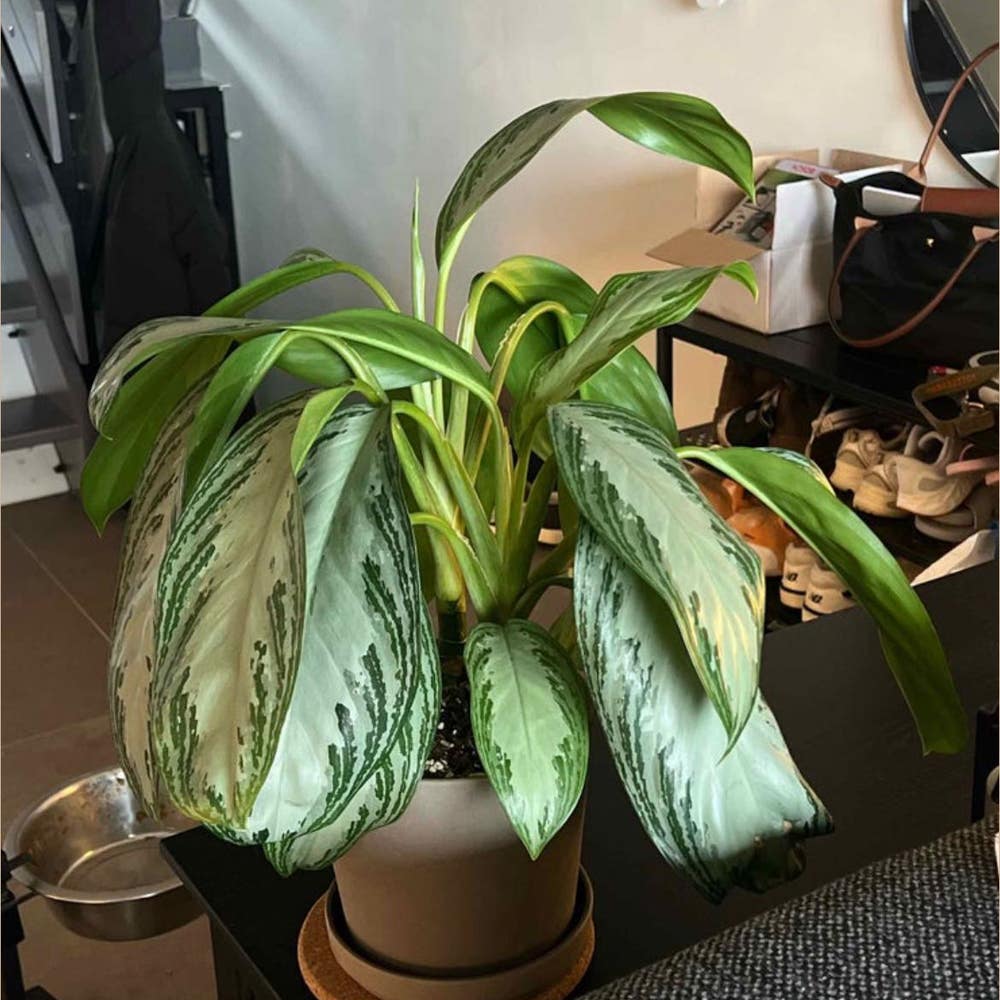
How to Know When to Repot a Aglaonema 'Silver Bay'?
Aglaonema 'Silver Bay'
By the Greg Editorial Team
Jun 18, 2024•4 min read
This article was created with the help of AI so we can cover more plants for you. May contain errors. See one? Report it here.
Ensure your 'Silver Bay' thrives 🌿—master the signs and steps for timely repotting!
- Roots peeking out? Time to repot your 'Silver Bay'.
- 🌱 Choose terracotta or ceramic pots with drainage for health.
- Post-repot care is crucial for your Aglaonema's continued growth.
Spotting the Telltale Signs
🌱 Root Tango: Time to Upsize
Roots should be cozy, not cramped. When they start peeking through drainage holes, it's a clear sign your Aglaonema 'Silver Bay' is root-bound. This tango has one too many dancers, and it's time to upsize the pot.
💧 Water Woes and Sluggish Growth
Yellowing leaves and water that sits atop the soil like an unwelcome guest are distress signals. If your 'Silver Bay' has slowed its growth, it's not just being lazy—it's telling you it needs more room to thrive.

Choosing the Right Pot
🌱 Size Matters: Finding the Perfect Fit
When it comes to repotting your Aglaonema 'Silver Bay', size is key. A pot just 1-2 inches wider than the current one ensures enough room for growth without drowning the roots in excess soil. Overly spacious pots invite moisture issues, leading to root rot, while cramped quarters can stifle your plant's potential.
🏺 Material World: Pros and Cons
Terracotta pots are the breathable choice, allowing soil to dry out more efficiently—ideal for Aglaonema's dislike of wet feet. Plastic pots, on the other hand, retain moisture longer, which can be a boon or a bane depending on your watering habits. Ceramic pots offer a happy medium, with good moisture retention and breathability, but ensure they have drainage holes. Steer clear of glass or metal pots; they're not the best roommates for your 'Silver Bay', often lacking in drainage and breathability.

The Repotting Rundown
🌱 Pre-Repotting Pep Talk
Before diving in, prepare your workspace. Clear an area and gather your tools: new pot, fresh potting mix, trowel, and watering can. Ensure your Aglaonema 'Silver Bay' is hydrated a day before the big move to ease the transition. Think of it as a pre-game hydration for your green buddy.
🌿 Step-by-Step: The Gentle Uproot
First, loosen the pot by squeezing its sides or gently tapping it. Tilt and wiggle the plant out, treating the roots with the care of a bomb defusal expert. If the plant plays hardball, run a knife around the inside edge, but don’t go psycho-killer on it. Once free, massage the roots to promote new growth, but remember, this isn’t a deep-tissue massage; be gentle.
🏡 Home Sweet Home: Potting Mix and Placement
Lay a welcoming layer of potting mix in the new pot, just enough to prop up the root ball like a fluffy pillow. Set your plant in and fill around with more mix, tapping the pot to settle the soil like a bartender crafting the perfect cocktail – no compaction necessary. Water thoroughly but not like you’re trying to recreate Noah’s flood. Aim for moist, not a swamp, and let your plant sip, not drown.

Aftercare and Adjustment
🕵️ The First Few Days: Monitoring and Maintenance
After repotting your Aglaonema 'Silver Bay', vigilance is your new mantra. Water the plant to settle it in, but don't drown the poor thing—aim for moist, not soggy. Light is like the plant's mood ring; if the leaves lose their variegation or start to yellow, it's time to find a brighter spot. Watch for drooping leaves or a general vibe of "I'm not okay," and adjust your care as needed.
🌱 Long-Term Love: Ensuring Continued Growth
Your 'Silver Bay' doesn't need a helicopter parent, just a consistent caregiver. Keep the soil moist but not wet, and remember, this isn't a cactus. If the leaves start to look more yellow than a school bus, it's likely a cry for water or light. Fertilize sparingly—think of it as a light snack rather than a full meal. And don't rush with the fertilizer post-repotting; give it a chance to enjoy its new digs first. Keep the plant in a happy place with indirect light, and you'll see it grow with the enthusiasm of a puppy at the park.
⚠️ Safety First
This content is for general information and may contain errors, omissions, or outdated details. It is not medical, veterinary advice, or an endorsement of therapeutic claims.
Always consult a qualified healthcare professional before using any plant as food, medicine, or supplement.
Never eat any plant (or feed one to pets) without confirming its identity with at least two trusted sources.
If you suspect poisoning, call Poison Control (800) 222-1222, the Pet Poison Helpline (800) 213-6680, or your local emergency service immediately.
Spotted an error? Please report it here.
Keep your Aglaonema 'Silver Bay' thriving 🌱 with Greg's tailored reminders to repot at just the right time, ensuring your plant's roots always have the space they need.