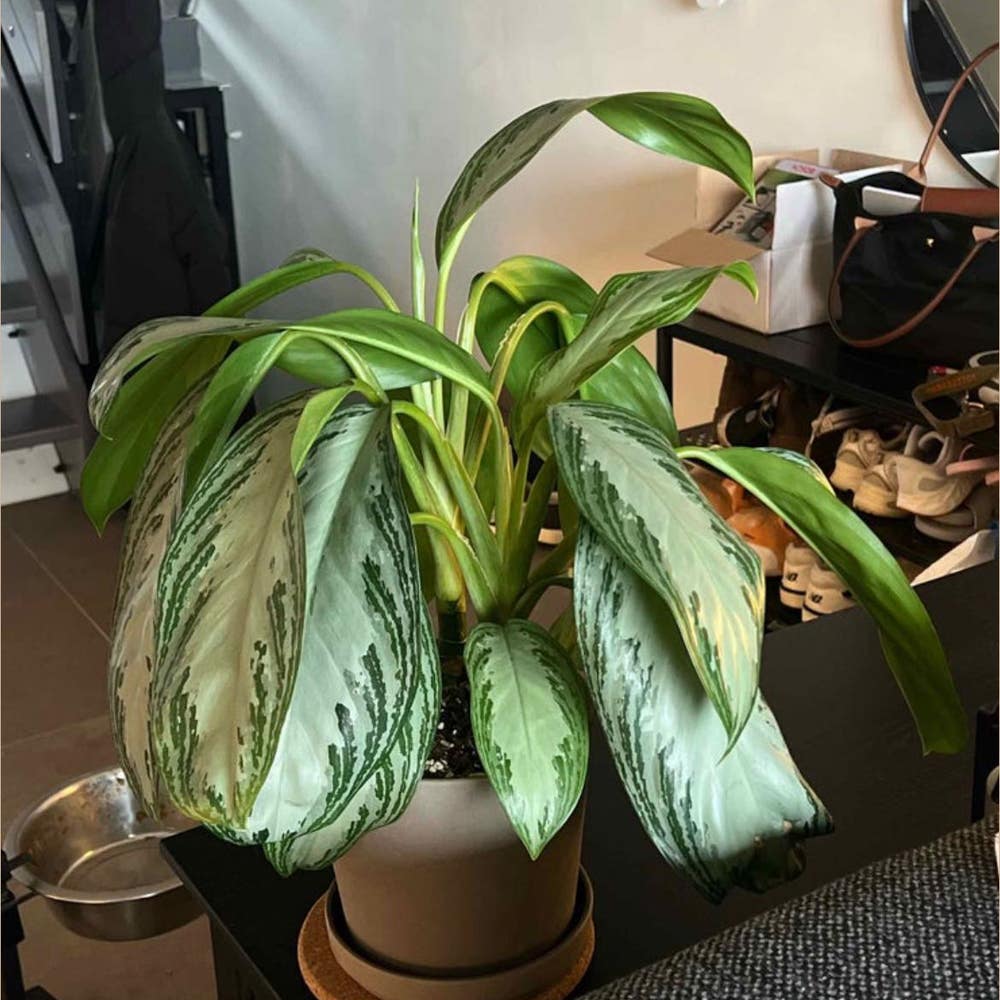
🌸 Why Your Aglaonema 'Silver Bay' Buds Won't Open
Aglaonema 'Silver Bay'
By the Greg Editorial Team
Sep 29, 2024•3 min read
This article was created with the help of AI so we can cover more plants for you. May contain errors. See one? Report it here.
Transform your Aglaonema 'Silver Bay' into a blooming beauty 🌸 with these expert tips to solve flowering challenges!
- 💡 Insufficient light prevents Aglaonema 'Silver Bay' from blooming; ensure adequate exposure.
- 🌱 Nutrient deficiencies, especially phosphorus and potassium, hinder flower development.
- 🌬️ Stable humidity and temperature are crucial for encouraging Aglaonema blooms.
Flowering Problems in Aglaonema 'Silver Bay'
🌸 Failure to Bloom
Causes
Insufficient Light
Adequate light is crucial for initiating the bloom cycle in Aglaonema 'Silver Bay.' Low light conditions can severely hinder flower development, leaving your plant struggling to produce blooms.
Nutrient Deficiencies
Key nutrients like phosphorus and potassium play a vital role in flowering. When these nutrients are lacking, you may notice stunted growth or poor flower quality.
Environmental Stress
Sudden changes in humidity and temperature can stress your plant. This stress often inhibits blooming, making it essential to maintain stable environmental conditions.
💡 Solutions
Adjusting Light Exposure
To encourage blooming, provide optimal indirect light conditions. Gradually acclimatizing your plant to brighter environments can help it thrive.
Fertilization Tips
Using the right fertilizers can significantly promote flowering. Aim for a balanced fertilization schedule, applying nutrients regularly to support bloom development.
Environmental Adjustments
Stabilizing humidity and temperature levels is key. Establishing a consistent care routine will help your Aglaonema flourish.
🌼 Premature Flower Drop
Causes
Overwatering
Overwatering is a common issue that can lead to flower drop. Signs include yellowing leaves and soggy soil, which can compromise root health and cause buds to fall.
Sudden Temperature Changes
Temperature fluctuations can also affect flowering. Aglaonema 'Silver Bay' thrives in stable conditions, ideally between 65°F and 80°F.
Pest Infestations
Common pests like spider mites and aphids can lead to premature flower drop. Look for symptoms such as wilting or discolored leaves to identify pest-related stress.
🛠️ Solutions
Watering Techniques
Maintaining proper soil moisture is essential. Ensure good drainage and select appropriate pots to prevent waterlogged roots.
Maintaining Stable Temperatures
Avoiding temperature extremes is crucial for your plant's health. Regularly monitor indoor climate conditions to keep your Aglaonema comfortable.
Pest Control Methods
Identifying and managing pests is vital. Use both organic and chemical control options to protect your plant from infestations.
🌱 Abnormal Flower Development
Causes
Poor Soil Quality
Well-draining, nutrient-rich soil is essential for healthy blooms. Signs of soil degradation, like compacted or discolored soil, can hinder flowering.
Inadequate Pruning
Pruning plays a significant role in promoting blooms. Neglecting this practice can lead to overcrowded growth and fewer flowers.
Nutrient Imbalance
Excessive or insufficient fertilization can disrupt nutrient balance. Watch for symptoms like leaf discoloration to identify issues.
🧪 Solutions
Soil Amendments
Consider using well-suited soil types and amendments for Aglaonema. Regularly testing soil quality and pH levels can help maintain optimal conditions.
Proper Pruning Techniques
Timing your pruning is crucial for flower development. Use sharp tools and clean cuts to encourage healthy growth.
Balanced Fertilization
Create a tailored fertilization plan to meet your plant's needs. Monitor how your Aglaonema responds to changes in fertilization.
🍽️ Nutritional Factors Affecting Flowering
Essential Nutrients for Flowering
Key nutrients like nitrogen, phosphorus, and potassium enhance flower development. Symptoms of deficiencies can include poor growth and lack of blooms.
Fertilization Schedule
Establishing a recommended fertilization schedule is vital. Timing and frequency should align with your plant's growth cycle for optimal results.
🌡️ Environmental Factors
Humidity and Temperature
Maintaining ideal humidity levels between 50% and 70% is essential for Aglaonema 'Silver Bay.' Methods like pebble trays or humidifiers can help achieve this.
Temperature Ranges
Aim to keep temperatures between 65°F and 80°F for optimal flowering. Extreme temperatures can lead to flower retention issues.
🐞 Common Pests and Their Impact
Identifying pests like spider mites and aphids is crucial for maintaining healthy blooms. Implement integrated pest management strategies to keep your Aglaonema thriving.
With these insights, you can tackle flowering problems in your Aglaonema 'Silver Bay' effectively. Next, let’s explore the nutritional factors that play a crucial role in promoting vibrant blooms.
⚠️ Safety First
This content is for general information and may contain errors, omissions, or outdated details. It is not medical, veterinary advice, or an endorsement of therapeutic claims.
Always consult a qualified healthcare professional before using any plant as food, medicine, or supplement.
Never eat any plant (or feed one to pets) without confirming its identity with at least two trusted sources.
If you suspect poisoning, call Poison Control (800) 222-1222, the Pet Poison Helpline (800) 213-6680, or your local emergency service immediately.
Spotted an error? Please report it here.
Unlock your Aglaonema 'Silver Bay's' blooming potential 🌼 with Greg's tailored care tips and reminders to keep light, nutrients, and environment just right!