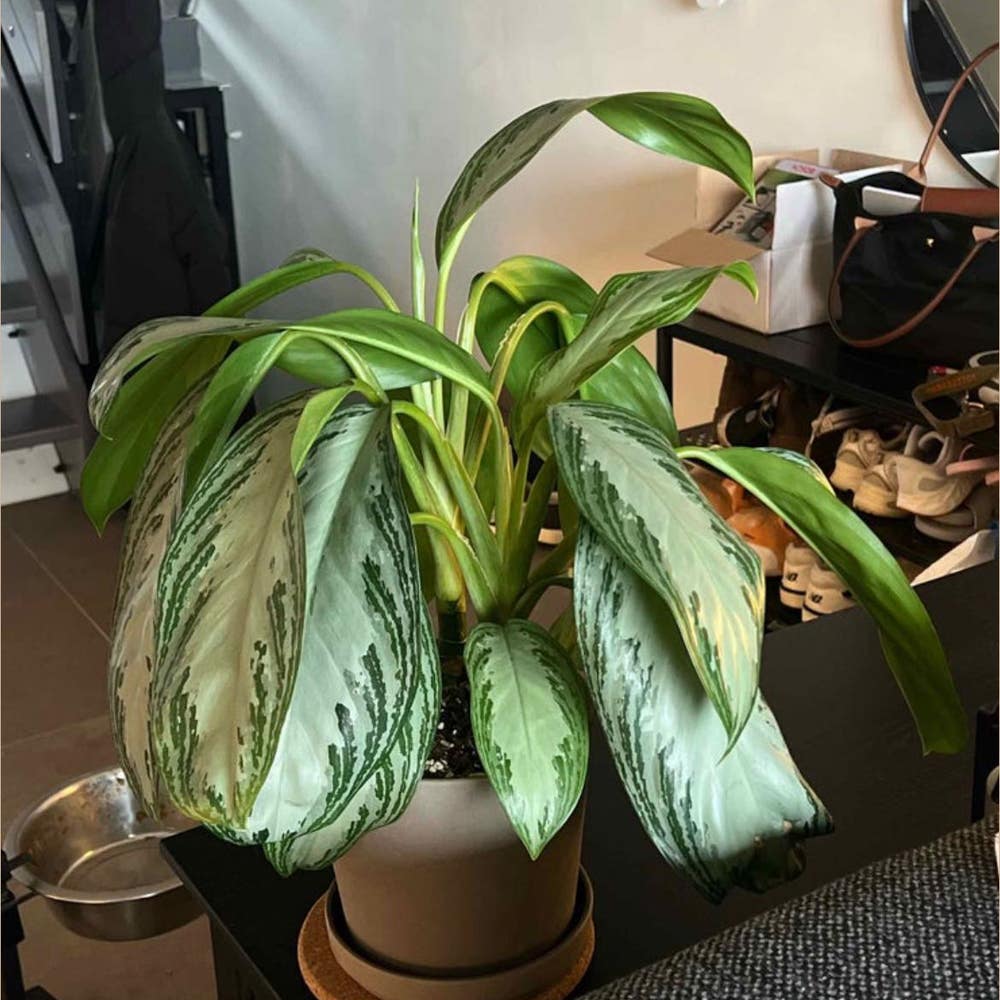
8 Outdoor Care Hacks for Aglaonema 'Silver Bay' 💧
Aglaonema 'Silver Bay'
By the Greg Editorial Team
Sep 29, 2024•6 min read
This article was created with the help of AI so we can cover more plants for you. May contain errors. See one? Report it here.
Transform your Aglaonema 'Silver Bay' into a lush beauty with essential outdoor care tips! 🌿
- 🌞 Aglaonema 'Silver Bay' thrives in bright, indirect sunlight for optimal growth.
- 💧 Maintain consistently moist soil; yellow leaves indicate overwatering, while wilting suggests underwatering.
- 🐛 Monitor for pests like aphids; neem oil effectively manages infestations.
Outdoor Care Essentials
🌞 Sunlight Needs and Ideal Light Conditions
Aglaonema 'Silver Bay' thrives in bright, indirect sunlight. While it can tolerate low light, you'll see the best growth in filtered light.
Signs of inadequate light include leaf discoloration and stunted growth. If your plant starts looking a bit sad, it might be time to reassess its lighting situation.
💧 Watering Requirements and Frequency
For optimal health, keep the soil consistently moist but avoid waterlogging. This balance is crucial for your plant’s well-being.
Watch for yellowing leaves, which can indicate overwatering, or wilting and crispy leaf edges, signaling underwatering. Adjust your watering routine accordingly to keep your Aglaonema happy.
🌱 Soil Preferences and Amendments
Aglaonema prefers well-draining soil rich in organic matter. Aim for a soil pH between 6.0 and 7.0 for the best results.
To improve drainage, consider adding perlite or coarse sand. These amendments can make a significant difference in maintaining healthy roots.
With these outdoor care essentials, your Aglaonema 'Silver Bay' will flourish in its environment. Next, let’s explore the various planting options that can enhance its growth even further.
Planting Options
Benefits and Drawbacks of Container Planting 🌱
Container planting offers incredible flexibility. You can easily move your Aglaonema 'Silver Bay' to find the perfect light or protect it from harsh weather.
However, limited root space can hinder growth. This means you'll need to keep a close eye on watering and fertilization, as containers dry out faster than in-ground options.
Benefits and Drawbacks of In-Ground Planting 🌍
In-ground planting provides a more stable environment for root development. Your plant can spread out and establish a solid foundation.
On the downside, you have less control over soil conditions and drainage. This can lead to issues like waterlogging or poor nutrient availability, plus your plant may be more vulnerable to pests and diseases lurking in the soil.
Understanding these options helps you make the best choice for your Aglaonema's health and growth. Next, let's explore how to protect your plant from environmental factors.
Protection from Environmental Factors
🌡️ Weather Protection Strategies for Extreme Temperatures
Aglaonema 'Silver Bay' thrives best when shielded from harsh weather conditions. During intense heat, using shade cloth can help protect your plants from sunburn while allowing filtered light to reach them.
Mulching is another effective strategy. It retains soil moisture and regulates temperature, creating a more stable environment for your plant's roots. When cold snaps hit, consider using frost blankets or moving pots indoors to prevent damage from freezing temperatures.
🐞 Pest Management and Common Outdoor Pests
Outdoor pests can be a real headache for your Aglaonema. Common culprits include aphids, spider mites, and mealybugs, which can wreak havoc on your plant's health.
Look for signs of infestation, such as discoloration, webbing, or sticky residue on leaves. To combat these pests, neem oil and insecticidal soap are effective treatments that can help restore your plant's vitality.
🦠 Disease Prevention and Treatment Options
Diseases like root rot and leaf spot can threaten your Aglaonema if not addressed promptly. To prevent these issues, focus on proper watering techniques and ensure good air circulation around your plants.
If you do encounter problems, treatment options include fungicides and the removal of affected leaves. Staying vigilant can help keep your Aglaonema healthy and thriving.
By implementing these protective measures, you can ensure your Aglaonema 'Silver Bay' remains vibrant and resilient against environmental challenges. Next, let’s explore how seasonal changes impact your care routine.
Seasonal Care
🌦️ Seasonal Changes and Their Impact on Care
As the seasons shift, so should your care routine for Aglaonema 'Silver Bay'. During dry seasons, increase watering frequency to keep the soil consistently moist, while in wet seasons, reduce watering to prevent waterlogging.
Monitoring light exposure is crucial as well. With the changing sun angles, ensure your plant receives adequate bright, indirect light to thrive.
🌍 Adjusting Care Routines Based on Climate Zones
Your care routine will vary significantly based on your climate zone. For tropical climates, maintain higher humidity and consistent watering, while in temperate zones, adjust for cooler temperatures and potential frost.
If you're in USDA hardiness zones 10-11, your Aglaonema can enjoy outdoor life year-round. However, be mindful of extreme weather conditions that may require additional protection.
🗓️ Fertilization Schedule Throughout the Year
Fertilization is key to keeping your Aglaonema healthy. Aim to fertilize every 4-6 weeks during the growing season to promote robust growth.
Choose between balanced NPK fertilizers or organic options to suit your preferences. Watch for signs of nutrient deficiency, such as yellowing leaves and slow growth, to adjust your fertilization strategy accordingly.
With these seasonal care tips, your Aglaonema 'Silver Bay' will flourish throughout the year. Next, let’s explore advanced care techniques to troubleshoot common problems and promote healthy growth.
Advanced Care Techniques
🛠️ Troubleshooting Common Problems
Identifying leaf discoloration and wilting is crucial for maintaining your Aglaonema 'Silver Bay'. Yellowing leaves often indicate overwatering, while wilting can signal underwatering or root issues.
To address these problems, adjust your watering routine. Ensure the soil is consistently moist but not soggy, and check for root rot if you notice persistent wilting.
🐛 Solutions for Pest Infestations and Disease Outbreaks
Common pests like aphids and spider mites can wreak havoc on your plant. Look for signs such as discoloration, webbing, or sticky residue on leaves.
For pest control, neem oil and insecticidal soap are effective treatments. Regularly inspect your plants to catch infestations early and maintain their health.
🌱 Tips for Promoting Healthy Growth
Humidity and temperature play significant roles in the growth of Aglaonema. Aim for a humid environment, especially during dry seasons, to keep your plant thriving.
Regular pruning encourages bushier growth and removes any dead or damaged leaves. This simple practice can significantly enhance your plant's appearance and vitality.
🧐 Myth-Busting Common Misconceptions About Aglaonema
Many believe that Aglaonema requires high light levels, but this isn't entirely true. While it thrives in bright, indirect light, it can adapt to lower light conditions as well.
Another common myth is that caring for Aglaonema is overly complex. In reality, with the right knowledge, these plants are quite adaptable and can flourish outdoors with minimal fuss.
Transitioning to seasonal care, it's essential to adjust your routines as the weather changes. Understanding these shifts will help you keep your Aglaonema healthy year-round.
⚠️ Safety First
This content is for general information and may contain errors, omissions, or outdated details. It is not medical, veterinary advice, or an endorsement of therapeutic claims.
Always consult a qualified healthcare professional before using any plant as food, medicine, or supplement.
Never eat any plant (or feed one to pets) without confirming its identity with at least two trusted sources.
If you suspect poisoning, call Poison Control (800) 222-1222, the Pet Poison Helpline (800) 213-6680, or your local emergency service immediately.
Spotted an error? Please report it here.
Keep your Aglaonema 'Silver Bay' thriving 🌿 with these outdoor care hacks, and let Greg provide you with tailored watering reminders and pest management tips for vibrant, healthy growth all year long!