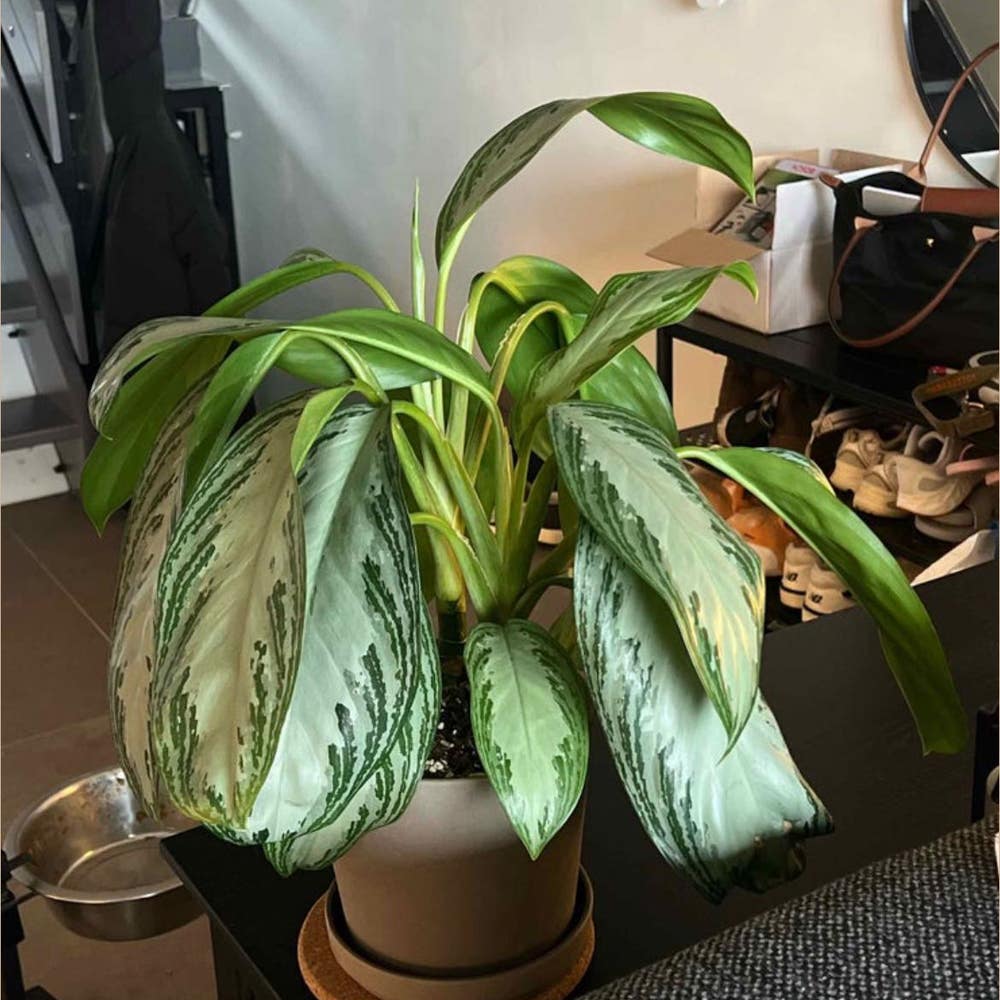
Ultimate Guide to Indoor Aglaonema 'Silver Bay' Care 💧
Aglaonema 'Silver Bay'
By the Greg Editorial Team
Sep 29, 2024•6 min read
This article was created with the help of AI so we can cover more plants for you. May contain errors. See one? Report it here.
Transform your Aglaonema 'Silver Bay' into a lush beauty with essential care tips for light and water! 🌱
- 🌱 Aglaonema 'Silver Bay' thrives in low to medium indirect light for optimal growth.
- 💧 Water every 1-2 weeks, ensuring the top inch of soil dries out between waterings.
- 🌡️ Maintain humidity between 40-60% and temperatures of 65°F to 80°F for healthy growth.
Light Requirements
Optimal Light Conditions for Growth 🌱
Aglaonema 'Silver Bay' thrives in low to medium indirect light. While it can tolerate shaded areas, be aware that growth may slow down in these conditions.
Effects of Low Light on the Plant 💡
Insufficient light can lead to stunted growth, loss of variegation, and a leggy appearance. To keep your plant happy, position it near east or north-facing windows for the best light exposure.
Understanding the light requirements of your Aglaonema is crucial for its overall health. With the right conditions, you’ll enjoy vibrant foliage and robust growth.
Watering Needs
Frequency and Amount of Watering 🌊
Aglaonema 'Silver Bay' thrives on a consistent watering schedule. Water your plant every 1-2 weeks, ensuring the top inch of soil dries out between waterings.
Make sure to soak the soil thoroughly until water drains from the bottom. This method promotes healthy root growth and prevents waterlogging.
Signs of Overwatering and Underwatering 🚨
Recognizing the signs of overwatering is crucial for your plant's health. Look for yellowing leaves, mushy stems, and root rot as indicators that you might be giving it too much water.
On the flip side, underwatering can lead to wilting, browning leaf tips, and dry soil. Keep an eye on your plant’s condition to adjust your watering routine accordingly.
Understanding these watering needs will help you maintain a vibrant and healthy Aglaonema. Next, let’s explore the ideal humidity and temperature conditions for optimal growth.
Humidity and Temperature
Ideal Humidity Levels 🌧️
Aglaonema 'Silver Bay' thrives in humidity levels between 40-60%. Maintaining this range not only supports optimal growth but also enhances the lush appearance of its leaves.
Higher humidity can significantly improve the overall health of your plant. It helps prevent issues like leaf browning and promotes vibrant foliage.
Temperature Range for Optimal Growth 🌡️
The ideal temperature for your Aglaonema is between 65°F to 80°F (18°C to 27°C). Keeping your plant within this range ensures it remains healthy and vibrant.
Be cautious of temperature extremes. Protect your plant from drafts and sudden changes, as these can stress the plant and hinder its growth.
With the right humidity and temperature, your Aglaonema will flourish, setting the stage for the next crucial aspect of its care: soil type and fertilization.
Soil Type and Fertilization
🌱 Best Soil Mix for Aglaonema
For your Aglaonema 'Silver Bay', a well-draining potting mix is essential. Aim for a blend that includes peat, perlite, and orchid bark to ensure optimal drainage.
Proper drainage is crucial as it prevents root rot and encourages healthy root development. A mix that retains some moisture while allowing excess water to escape will keep your plant thriving.
🥬 Recommended Fertilizers and Feeding Schedule
When it comes to fertilization, a balanced liquid fertilizer with an NPK ratio of 20-20-20 is ideal. Dilute it to half strength to avoid overwhelming your plant.
Feed your Aglaonema every 4-6 weeks during the growing season, which spans spring and summer. This regular feeding schedule will support robust growth and vibrant foliage.
With the right soil and fertilization practices, your Aglaonema will flourish beautifully. Next, let’s explore common issues and maintenance tips to keep your plant in top shape.
Common Issues and Maintenance
🐛 Pests and Diseases
Common Pests Affecting Aglaonema
Aglaonema plants can fall victim to a few pesky pests. The most common culprits are aphids, spider mites, and mealybugs.
Look out for signs of infestation like sticky residue on leaves, fine webbing, or visible insects. These indicators can help you catch problems early.
Prevention and Treatment Methods
Regular inspection is key to keeping your Aglaonema healthy. Make it a habit to check under leaves and stems for any unwanted guests.
If you spot pests, consider treatment options like neem oil or insecticidal soap. Introducing beneficial insects can also help manage infestations naturally.
🍃 Leaf Issues
Yellowing Leaves and Their Causes
Yellowing leaves can be a cry for help from your Aglaonema. Common causes include overwatering, nutrient deficiency, or insufficient light.
To remedy the situation, adjust your care practices based on the identified issue. A little observation goes a long way in restoring your plant's health.
🏡 Placement and Maintenance Tips
Best Locations in the Home
Finding the right spot for your Aglaonema is crucial. Ideal locations are near windows with filtered light, ensuring they stay away from direct sunlight.
Also, avoid placing your plant near drafts, such as air conditioning vents or heaters. Stability in its environment promotes better growth.
✂️ Pruning and Cleaning Leaves
Keeping your Aglaonema tidy is part of good maintenance. Aim for monthly cleaning and prune as needed to encourage healthy growth.
Use clean, sharp scissors for pruning to avoid damaging the plant. A little care goes a long way in keeping your Aglaonema vibrant.
As you navigate common issues and maintenance, remember that attentive care can make all the difference in your plant's health. Next, let’s explore how to effectively use grow lights to enhance your Aglaonema's growth, especially in low-light conditions.
Using Grow Lights
🌱 Role of Grow Lights
Grow lights are essential for indoor gardening, especially when natural light is limited. They provide the necessary light spectrum for photosynthesis, ensuring your Aglaonema 'Silver Bay' thrives.
🕒 When to Use Grow Lights
Consider using grow lights in two main situations: during winter months or in rooms with low natural light. These lights can significantly enhance growth and maintain vibrant leaf color, making your plant look its best.
💡 Choosing the Best Grow Light
Factors to Consider
When selecting a grow light, wattage is crucial. For small to medium-sized plants, aim for lights between 20-40 watts.
The light spectrum also matters. Full-spectrum lights mimic natural sunlight, promoting balanced growth and overall plant health.
📏 Placement of Grow Lights for Optimal Growth
Proper placement of grow lights is key to maximizing their effectiveness. Position the light 12-24 inches above your plant to ensure adequate coverage without causing heat stress.
Additionally, aim for a duration of 12-16 hours of light per day. This schedule mimics natural daylight and supports robust growth.
With the right grow lights in place, your Aglaonema will flourish, even in less-than-ideal lighting conditions. Next, let’s explore common issues and maintenance tips to keep your plant healthy and thriving.
⚠️ Safety First
This content is for general information and may contain errors, omissions, or outdated details. It is not medical, veterinary advice, or an endorsement of therapeutic claims.
Always consult a qualified healthcare professional before using any plant as food, medicine, or supplement.
Never eat any plant (or feed one to pets) without confirming its identity with at least two trusted sources.
If you suspect poisoning, call Poison Control (800) 222-1222, the Pet Poison Helpline (800) 213-6680, or your local emergency service immediately.
Spotted an error? Please report it here.
Nurture your Aglaonema 'Silver Bay' to vibrant health 🌿 with Greg's tailored care reminders and expert tips that ensure your plant thrives in any indoor setting!