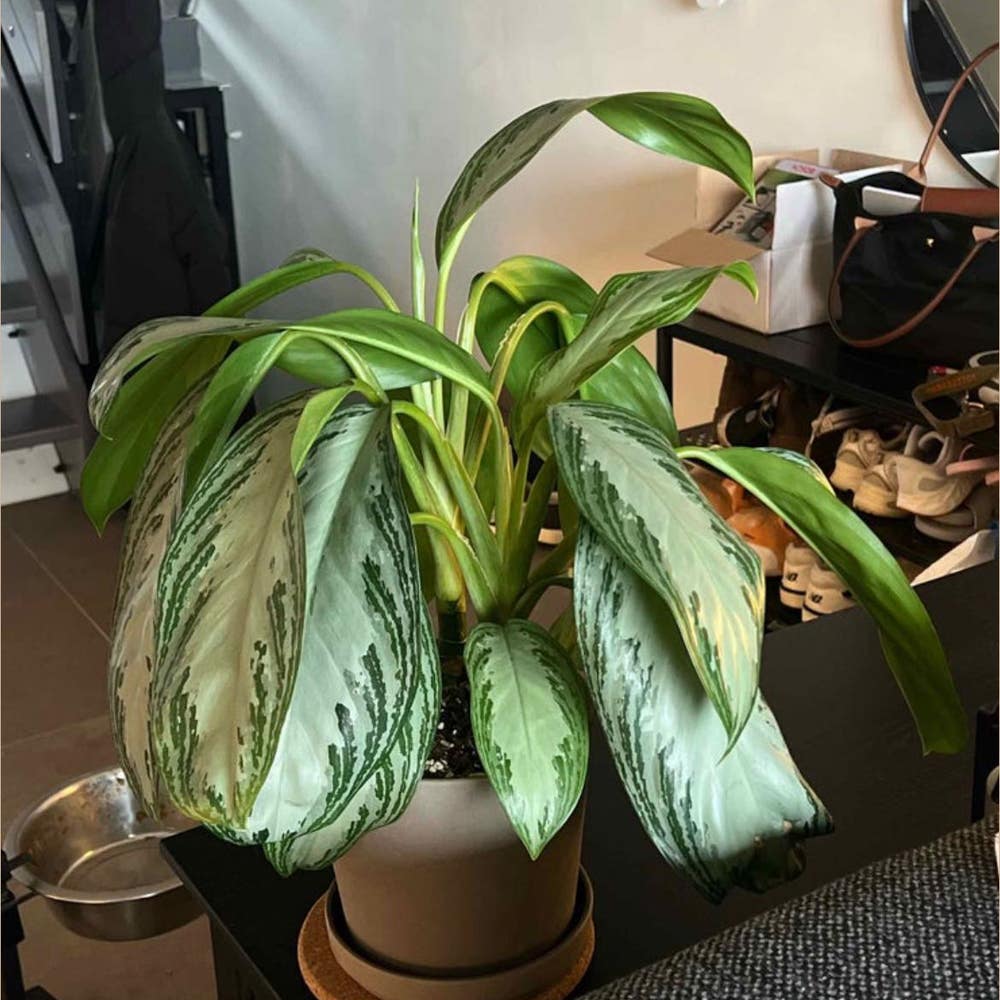
5 Tips for How to Plant Aglaonema 'Silver Bay' ⛏️
Aglaonema 'Silver Bay'
By the Greg Editorial Team
Sep 29, 2024•5 min read
This article was created with the help of AI so we can cover more plants for you. May contain errors. See one? Report it here.
Unlock vibrant growth and stunning beauty 🌱 by mastering Aglaonema 'Silver Bay' planting techniques!
- 🌱 Proper planting techniques ensure Aglaonema 'Silver Bay' thrives for years to come.
- 🌞 Spring is the best time to plant for optimal growth and minimal stress.
- 💧 Well-draining soil and drainage holes are essential to prevent root rot.
Importance of Proper Planting Techniques
Proper planting techniques are crucial for the health and longevity of your Aglaonema 'Silver Bay'. When you plant correctly, you set the stage for vibrant growth and a thriving plant.
🌱 Reducing Transplant Shock
One of the biggest challenges in planting is transplant shock. By following the right methods, you can significantly reduce this risk, allowing your plant to settle in without stress.
🌼 Enhancing Aesthetic Appeal
A well-planted Aglaonema not only grows better but also looks stunning. Proper techniques enhance its natural beauty, making it a standout feature in your home or garden.
💚 Overall Plant Health
Healthy planting practices contribute to the overall well-being of your plant. This means fewer issues down the line, allowing you to enjoy your Aglaonema without constant worry.
Understanding the importance of these techniques is your first step toward successful planting. With this foundation, you're ready to dive into the specifics of planting your Aglaonema 'Silver Bay'.
Planting New Aglaonema 'Silver Bay'
🌱 Optimal Timing for Planting
The best time to plant Aglaonema 'Silver Bay' is during spring or early summer. This is when the plant is actively growing, making it more resilient to the transition.
Consider your local climate; avoid planting during extreme temperatures or frost. This will help ensure a smooth start for your new plant.
🪴 Selecting the Right Soil Mix and Containers
For optimal growth, use a well-draining soil mix rich in organic matter, such as peat moss and perlite. This combination promotes healthy root development and prevents waterlogging.
When choosing a container, ensure it has drainage holes. A pot size of 6-8 inches in diameter is ideal for young plants, allowing enough space for root growth.
📏 Proper Depth and Spacing for Planting
When planting, make sure the root ball is level with the soil surface. This positioning helps the plant establish itself without stress.
Space your Aglaonema 12-18 inches apart to promote optimal air circulation and growth. This distance allows each plant to thrive without competing for resources.
🌤️ Maintaining Ideal Growing Conditions
Aglaonema 'Silver Bay' thrives in indirect light and can tolerate low-light conditions. This makes it a versatile choice for various indoor settings.
Humidity levels should be kept moderate to high, ideally around 50-70%. Additionally, maintain a temperature range of 65°F to 80°F (18°C to 27°C) for the best results.
🌳 Hardening Off Process Before Outdoor Planting
Before moving your Aglaonema outdoors, gradually expose it to the elements. Start with 1-2 hours of outdoor exposure, increasing the time daily.
Harden off your plant for 7-10 days before placing it permanently outside. This process helps it adjust to its new environment, reducing stress and promoting healthy growth.
Transitioning to the next section, understanding how to transplant established Aglaonema 'Silver Bay' will ensure your plants continue to flourish as they grow.
Transplanting Established Aglaonema 'Silver Bay'
🌱 Optimal Timing for Transplanting
The best time to transplant your Aglaonema 'Silver Bay' is during spring or early summer. Look for signs like root-bound conditions or declining health to determine when it's time to make the move.
🛠️ Step-by-Step Instructions for Transplanting
- Prepare the new planting site: Ensure it has well-draining soil and suitable light conditions.
- Remove the plant:
- Gently loosen the soil around the root ball.
- Carefully lift the plant, taking care not to damage the roots.
- Place the plant in the new site:
- Make sure the root ball is level with the soil surface.
- Fill in around the roots with soil, firming it gently.
📏 Space Requirements for Established Plants
Maintain a minimum spacing of 12-18 inches between plants. This allows for adequate growth and air circulation, ensuring your Aglaonema thrives.
💧 Tips on Watering, Mulching, and Support
- Watering: After transplanting, water thoroughly and keep the soil consistently moist but not soggy.
- Mulching: Apply a thin layer of mulch to help retain moisture and suppress weeds.
- Support: If your plant is tall, consider using stakes to prevent it from toppling over.
Transplanting can be a rewarding experience, ensuring your Aglaonema 'Silver Bay' continues to flourish. Next, let’s dive into troubleshooting common issues that may arise during this process.
Troubleshooting Common Issues
🌱 Identifying Transplant Shock
Transplant shock can be a frustrating experience for any plant enthusiast. Look out for symptoms like wilting, yellowing leaves, and stunted growth, which indicate your Aglaonema 'Silver Bay' is struggling.
The primary causes often stem from root disturbance during planting or sudden environmental changes. Recognizing these signs early can help you take action before the situation worsens.
🛠️ Solutions for Establishment Problems
To help your plant bounce back, start by monitoring its watering needs. Adjust the frequency based on the soil moisture; it should be consistently moist but not soggy.
Additionally, ensure that the light and humidity levels are optimal. Providing these conditions can significantly aid in your plant's recovery.
🐛 Common Pests and Diseases
Keep an eye out for common pests like spider mites, aphids, and mealybugs. These little invaders can wreak havoc if left unchecked.
Root rot is another concern, often caused by overwatering. Prevent this by ensuring proper care and drainage.
For treatment, consider using neem oil or insecticidal soap. These options can effectively manage pests while promoting a healthier environment for your Aglaonema.
By staying vigilant and proactive, you can ensure your Aglaonema 'Silver Bay' thrives in its new home. Next, let’s explore how to transplant established plants for optimal growth.
⚠️ Safety First
This content is for general information and may contain errors, omissions, or outdated details. It is not medical, veterinary advice, or an endorsement of therapeutic claims.
Always consult a qualified healthcare professional before using any plant as food, medicine, or supplement.
Never eat any plant (or feed one to pets) without confirming its identity with at least two trusted sources.
If you suspect poisoning, call Poison Control (800) 222-1222, the Pet Poison Helpline (800) 213-6680, or your local emergency service immediately.
Spotted an error? Please report it here.
Plant your Aglaonema 'Silver Bay' with confidence 🌱—Greg's tailored watering reminders and expert tips will help you create a thriving environment for your new plant!