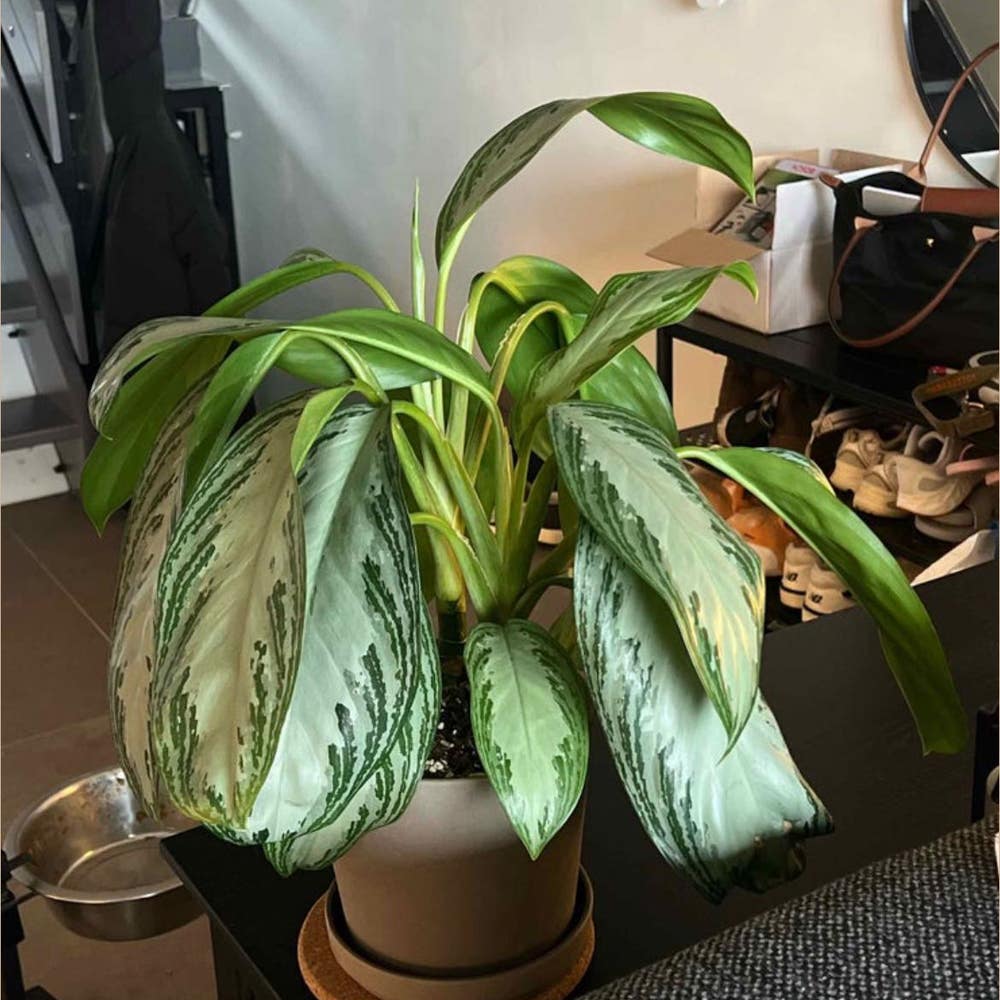
🐝 Step-by-Step Guide to Pollinating Aglaonema 'Silver Bay'
Aglaonema 'Silver Bay'
By the Greg Editorial Team
Sep 29, 2024•5 min read
This article was created with the help of AI so we can cover more plants for you. May contain errors. See one? Report it here.
Master Aglaonema 'Silver Bay' pollination 🌼 for a lush, thriving garden and vibrant blooms all year round!
- 🌸 Aglaonema 'Silver Bay' thrives through self and cross-pollination for reproductive success.
- 🐝 Attract pollinators like bees and butterflies with vibrant colors and a friendly garden.
- ✋ Hand pollination boosts control and success when natural pollinators are scarce.
Flower Structure
Description of Characteristics 🌼
Aglaonema 'Silver Bay' features unique spathes that elegantly cradle a central spadix. These spathes typically showcase a striking white or cream color, adding a touch of brightness to any indoor space.
The arrangement of these flowers is particularly captivating, as they cluster together on a single stem. This formation not only enhances their visual appeal but also plays a crucial role in the plant's reproductive success.
Role in Pollination 🐝
The flower structure of Aglaonema 'Silver Bay' is designed for both self-pollination and cross-pollination. The close proximity of male and female parts allows for efficient pollen transfer, ensuring that the plant can reproduce even in less-than-ideal conditions.
Moreover, this arrangement attracts various pollinators, enhancing the chances of cross-pollination. The combination of structural design and vibrant colors makes these flowers a magnet for bees, butterflies, and other beneficial insects.
With a solid understanding of the flower's structure, we can now delve into the fascinating process of pollination itself.
Pollination Process
Self-Pollination Mechanism 🌱
Aglaonema 'Silver Bay' has a fascinating ability to self-pollinate. The flower's structure allows pollen to transfer from the male stamens to the female pistils without needing external help.
Self-pollination ensures that even in less-than-ideal conditions, the plant can reproduce. This mechanism is particularly beneficial for maintaining genetic stability and ensuring the continuation of the species.
Cross-Pollination Requirements 🐝
While self-pollination is effective, cross-pollination can enhance genetic diversity. Key pollinators for Aglaonema 'Silver Bay' include bees, butterflies, moths, and hummingbirds.
These pollinators are attracted through various mechanisms. The plant's scent, vibrant colors, and nectar production play crucial roles in drawing these beneficial insects and birds to the flowers.
Understanding these processes can help you create a thriving environment for your Aglaonema and its pollinators. Next, we’ll explore hand pollination techniques to ensure successful reproduction.
Hand Pollination Techniques
Hand pollination can be a rewarding way to ensure the successful reproduction of your Aglaonema 'Silver Bay.' This technique is especially useful when natural pollinators are scarce.
🌸 Step 1: Identifying Male and Female Flower Parts
First, you need to recognize the male and female components of the flower. The male parts, known as stamens, are located on the spadix, while the female pistils sit just below them.
🧹 Step 2: Collecting Pollen
Next, gather pollen from the male parts. A small brush or cotton swab works perfectly for this task. Gently swipe the brush over the stamens to collect the fine yellow pollen.
🔄 Step 3: Transferring Pollen
Now it's time to transfer the pollen. Carefully apply the collected pollen to the female pistils. This step requires a gentle touch to avoid damaging the delicate flower parts.
⏰ Step 4: Timing
Timing is crucial for successful hand pollination. Aim to perform this process during the peak flowering periods when the flowers are most receptive. This increases your chances of successful fertilization.
By following these steps, you can effectively hand pollinate your Aglaonema 'Silver Bay,' ensuring vibrant growth and beautiful foliage. Next, let’s explore how to create a pollinator-friendly environment to support these amazing plants.
Supporting Pollinators
🌼 Creating a Pollinator-Friendly Environment
Designing a garden that attracts pollinators is essential for the health of your Aglaonema 'Silver Bay' and the ecosystem. Start by planting native flowers and herbs, as they provide the best food sources for local pollinators.
Additionally, ensure you have water sources and shelter available. A small birdbath or shallow dish can quench their thirst, while native shrubs or grasses offer safe resting spots.
🌿 Companion Plants
Companion planting can significantly enhance your garden's appeal to beneficial pollinators. Consider adding marigolds, which not only attract bees but also deter pests.
Lavender is another excellent choice; its fragrant blooms draw in butterflies and bees alike. Lastly, bee balm is a magnet for hummingbirds and other pollinators, making it a perfect addition to your garden.
By creating a welcoming environment and incorporating companion plants, you can boost pollination success for your Aglaonema 'Silver Bay' and enjoy a vibrant, thriving garden.
Pollination Challenges
Common Obstacles 🌪️
Pollination can be tricky for Aglaonema 'Silver Bay' due to several environmental factors. Temperature fluctuations and humidity levels can disrupt the delicate balance needed for successful pollination.
Another significant challenge is the lack of natural pollinators, especially in indoor settings. Without bees, butterflies, or other pollinators, the chances of cross-pollination diminish.
Solutions for Overcoming Challenges 💪
To enhance pollination success, start by creating optimal growing conditions. Ensure your plant is in a stable environment with consistent temperature and humidity.
When natural pollinators are scarce, hand pollination becomes a valuable technique. This method allows you to take control of the pollination process and ensure your plants reproduce.
Additionally, encourage local pollinator species by enhancing their habitat. Planting native flowers and providing water sources can attract beneficial insects, boosting your garden's overall pollination success.
With these strategies, you can overcome common obstacles and help your Aglaonema thrive. Next, let’s explore how to support pollinators in your garden!
⚠️ Safety First
This content is for general information and may contain errors, omissions, or outdated details. It is not medical, veterinary advice, or an endorsement of therapeutic claims.
Always consult a qualified healthcare professional before using any plant as food, medicine, or supplement.
Never eat any plant (or feed one to pets) without confirming its identity with at least two trusted sources.
If you suspect poisoning, call Poison Control (800) 222-1222, the Pet Poison Helpline (800) 213-6680, or your local emergency service immediately.
Spotted an error? Please report it here.
Pollinate your Aglaonema 'Silver Bay' like a pro 🌱 with Greg's tailored tips and reminders, ensuring a thriving garden and happy pollinators!