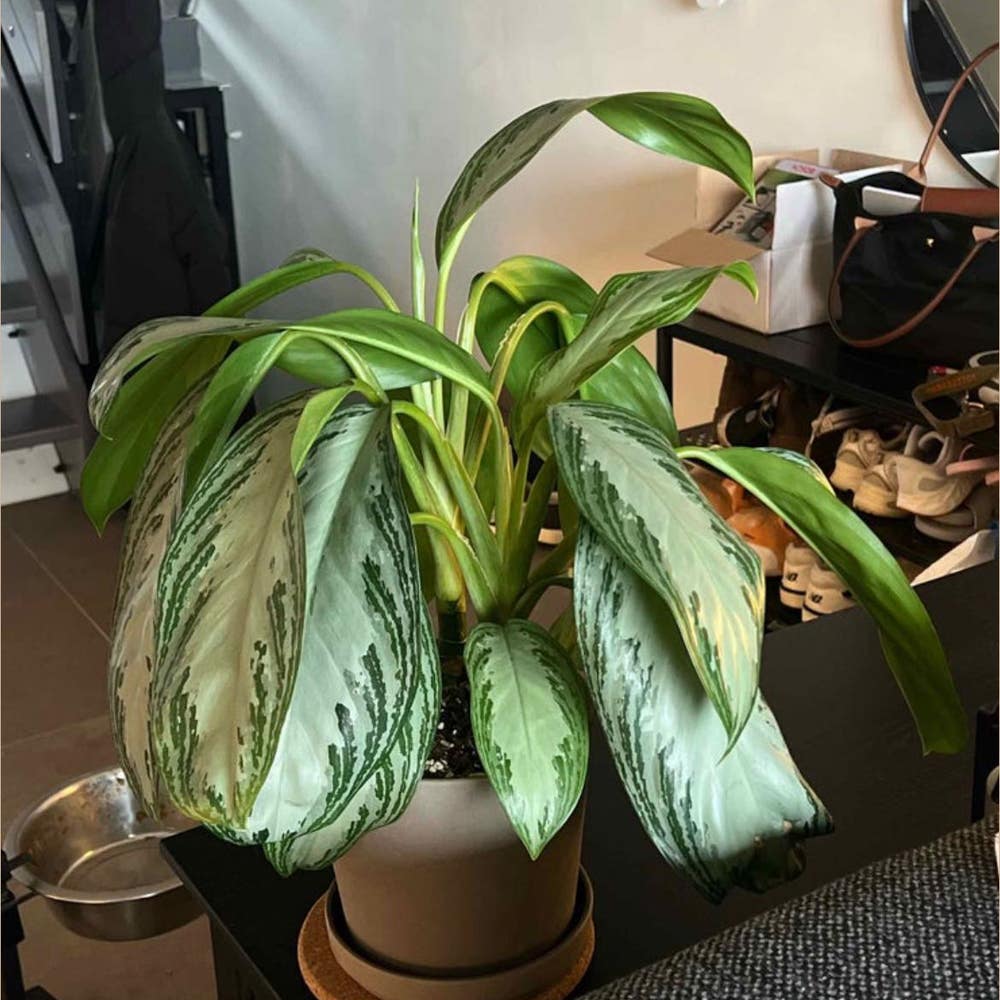
Aglaonema 'Silver Bay' Is Not an Annual 🌿
Aglaonema 'Silver Bay'
By the Greg Editorial Team
Sep 29, 2024•1 min read
This article was created with the help of AI so we can cover more plants for you. May contain errors. See one? Report it here.
Unlock the secrets of Aglaonema 'Silver Bay' 🌱 for a resilient and stunning indoor garden experience!
- 🌱 Aglaonema 'Silver Bay' is a perennial, thriving for many years, not just one.
- 🌞 Adaptable to various indoor conditions, it flourishes with minimal maintenance.
- 🌿 Valued for its lush foliage, 'Silver Bay' is a long-term investment for plant lovers.
Aglaonema 'Silver Bay' Classification
🌱 Genetic Characteristics
Aglaonema 'Silver Bay' showcases a unique chromosomal structure that enhances its adaptability for long-term survival. This genetic resilience allows it to thrive in a variety of conditions, making it a favorite among indoor plant enthusiasts.
🍃 Physiological Traits
The leaf structure of 'Silver Bay' is specially adapted for efficient photosynthesis and water retention. Its robust root system further supports nutrient absorption, ensuring the plant remains healthy and vibrant.
📈 Lifecycle and Growth Patterns
This plant exhibits a slow but steady growth rate, contributing to its longevity. Its seasonal behavior is well-suited for indoor environments, adapting seamlessly to varying light conditions.
🌼 Reproductive Strategies
While 'Silver Bay' occasionally flowers, it primarily focuses on foliage for its aesthetic appeal. The plant employs self-pollination and has the potential for cross-pollination, ensuring genetic diversity.
🌿 Gardening Implications
The perennial nature of Aglaonema 'Silver Bay' offers significant advantages, including cost-effectiveness and lasting beauty in your space. To maximize its longevity, consider optimal care practices and effective pest management strategies.
By understanding these classifications, you can better appreciate the unique qualities of Aglaonema 'Silver Bay' and how to care for it effectively. Next, we will explore its reproductive strategies in detail.
⚠️ Safety First
This content is for general information and may contain errors, omissions, or outdated details. It is not medical, veterinary advice, or an endorsement of therapeutic claims.
Always consult a qualified healthcare professional before using any plant as food, medicine, or supplement.
Never eat any plant (or feed one to pets) without confirming its identity with at least two trusted sources.
If you suspect poisoning, call Poison Control (800) 222-1222, the Pet Poison Helpline (800) 213-6680, or your local emergency service immediately.
Spotted an error? Please report it here.
Keep your Aglaonema 'Silver Bay' thriving for years to come 🌱 with Greg's tailored care tips and watering reminders that make plant parenting a breeze!