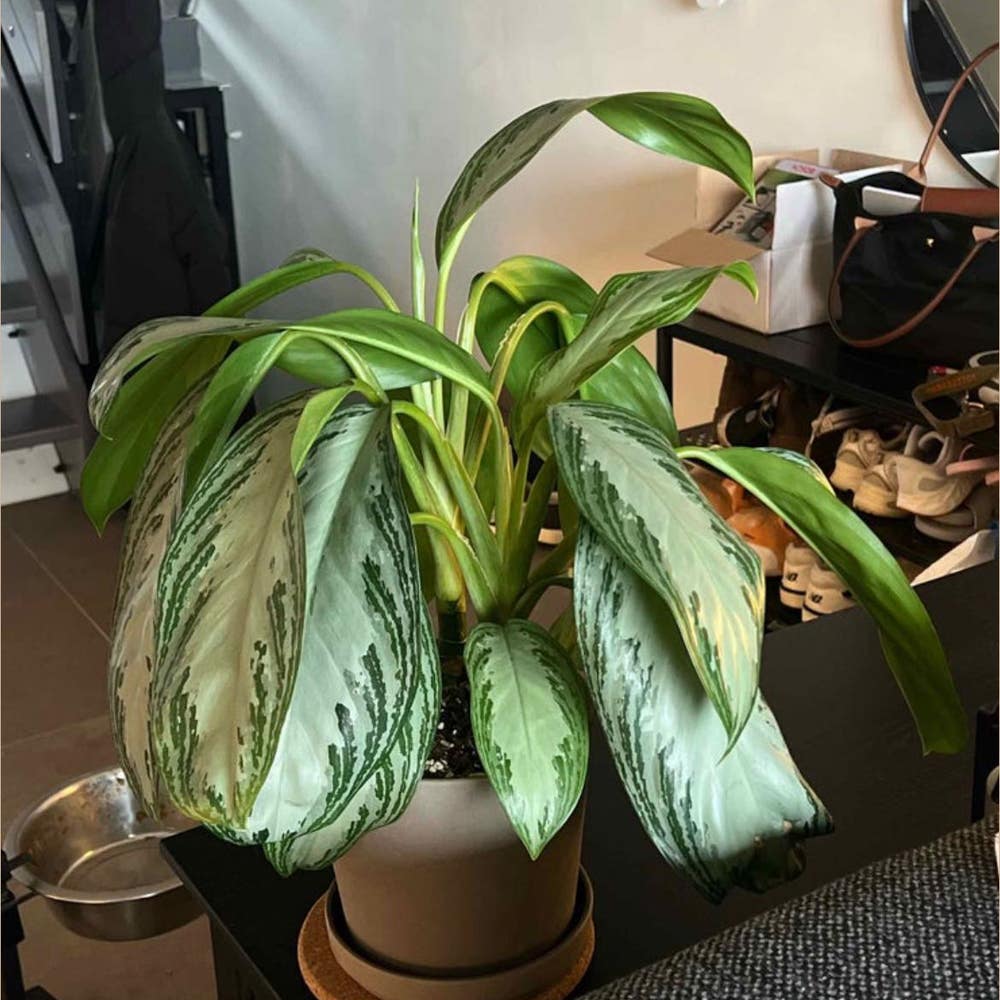
5 Winter Care Mistakes to Avoid with Aglaonema 'Silver Bay' ❄️
Aglaonema 'Silver Bay'
By the Greg Editorial Team
Sep 29, 2024•4 min read
This article was created with the help of AI so we can cover more plants for you. May contain errors. See one? Report it here.
Ensure your Aglaonema 'Silver Bay' thrives this winter with these essential care tips! 🌱❄️
- 💧 Water every 2-3 weeks in winter to avoid overwatering Aglaonema 'Silver Bay'.
- ❄️ Protect from temperatures below 50°F to prevent cold stress and frost damage.
- 🌬️ Maintain humidity levels between 50-70% for optimal winter health of your plant.
Winter Care Practices
Adjusting watering schedules for winter 🌨️
During winter dormancy, it's crucial to reduce your watering frequency. Aim for a schedule of every 2-3 weeks to prevent overwatering.
Look for signs of overwatering, such as yellowing leaves or root rot. These indicators can signal that your Aglaonema 'Silver Bay' is receiving too much moisture.
Fertilizing needs during winter months ❄️
A general guideline for winter care is to avoid fertilizing while your plant is dormant. Wait until early spring to resume fertilization for optimal growth.
When growth resumes, consider using balanced fertilizers suitable for Aglaonema. This will help your plant thrive as it comes out of dormancy.
Importance of humidity levels in winter 💧
Aglaonema 'Silver Bay' thrives in humidity levels between 50-70%. Maintaining this range is essential for its health during the dry winter months.
To boost humidity indoors, try using pebble trays or humidifiers. Watch for signs of low humidity, like leaf curling or browning tips, which indicate your plant needs more moisture.
As you care for your Aglaonema this winter, keep these practices in mind to ensure a healthy plant. Next, we'll explore how to protect your plant from frost damage.
Protection from Frost
Identifying Frost-Sensitive Conditions ❄️
Aglaonema 'Silver Bay' is sensitive to cold, with temperature thresholds below 50°F (10°C) posing a risk. Watch for signs like leaf discoloration and wilting, which indicate your plant is feeling the chill.
Best Practices for Indoor Placement 🏡
To keep your Aglaonema thriving, place it away from drafts and cold windows. Aim for a cozy indoor temperature between 65°F to 80°F (18°C to 27°C) to maintain a stable environment and prevent stress.
Using Protective Coverings for Outdoor Plants 🛡️
If your Aglaonema is outside, consider using frost cloths or blankets for protection. Cover your plants properly to shield them from frost damage, and make sure to do this before temperatures drop at night.
By taking these precautions, you can help your Aglaonema 'Silver Bay' survive the winter months and thrive come spring. Next, let’s explore the signs of winter damage to ensure your plant stays healthy.
Signs of Winter Damage
🌨️ Common Symptoms of Frost Damage
Frost can be a sneaky enemy for your Aglaonema 'Silver Bay'. Look out for leaf discoloration, especially browning or blackened edges, which signal distress.
Wilting or drooping leaves are also telltale signs of stress. If you notice leaf drop, it could indicate severe cold exposure, so act quickly to assess the situation.
❄️ How to Assess Plant Health in Winter
Regular inspections are key to keeping your plant healthy during winter. Check the leaves and stems for any signs of damage; early detection can make a big difference.
Don't forget to check soil moisture levels, too. Evaluating overall plant vigor and growth patterns will help you understand how your Aglaonema is faring in the cold.
By staying vigilant, you can ensure your plant remains healthy and ready for the warmer months ahead. Next, let’s explore how to prepare for spring growth and recovery.
Spring Preparation and Recovery
🌱 Steps to take after winter damage
After winter, your Aglaonema 'Silver Bay' may show signs of stress. Start by pruning any damaged leaves and stems; this encourages new growth and revitalizes the plant.
Next, assess the soil conditions. Adjust your watering practices based on moisture levels to ensure your plant receives the right amount of hydration.
☀️ Transitioning care as temperatures rise
As temperatures warm up, gradually increase your watering frequency. This helps your Aglaonema adjust to its growing phase without overwhelming it.
It's also time to resume fertilization. Early spring is ideal for this, using balanced fertilizers to support new growth.
Don’t forget to adjust light exposure; moving your plants to brighter locations can significantly boost their health.
🌼 Preparing Aglaonema for spring growth
Look for signs that your plant is ready for increased care. New growth, vibrant leaves, and a general perkiness indicate it's time to step up your routine.
Monitoring humidity levels is crucial as temperatures rise. Keeping humidity between 50-70% will help your Aglaonema thrive.
Finally, consider tips for encouraging healthy growth, like regular misting or using a pebble tray. These small adjustments can lead to a flourishing spring season for your plant.
As you prepare for spring, remember that patience is key. Your Aglaonema will reward your care with vibrant growth and beauty.
⚠️ Safety First
This content is for general information and may contain errors, omissions, or outdated details. It is not medical, veterinary advice, or an endorsement of therapeutic claims.
Always consult a qualified healthcare professional before using any plant as food, medicine, or supplement.
Never eat any plant (or feed one to pets) without confirming its identity with at least two trusted sources.
If you suspect poisoning, call Poison Control (800) 222-1222, the Pet Poison Helpline (800) 213-6680, or your local emergency service immediately.
Spotted an error? Please report it here.
Keep your Aglaonema 'Silver Bay' thriving this winter ❄️ by using Greg's tailored reminders for watering and humidity, ensuring it gets the care it needs to flourish!