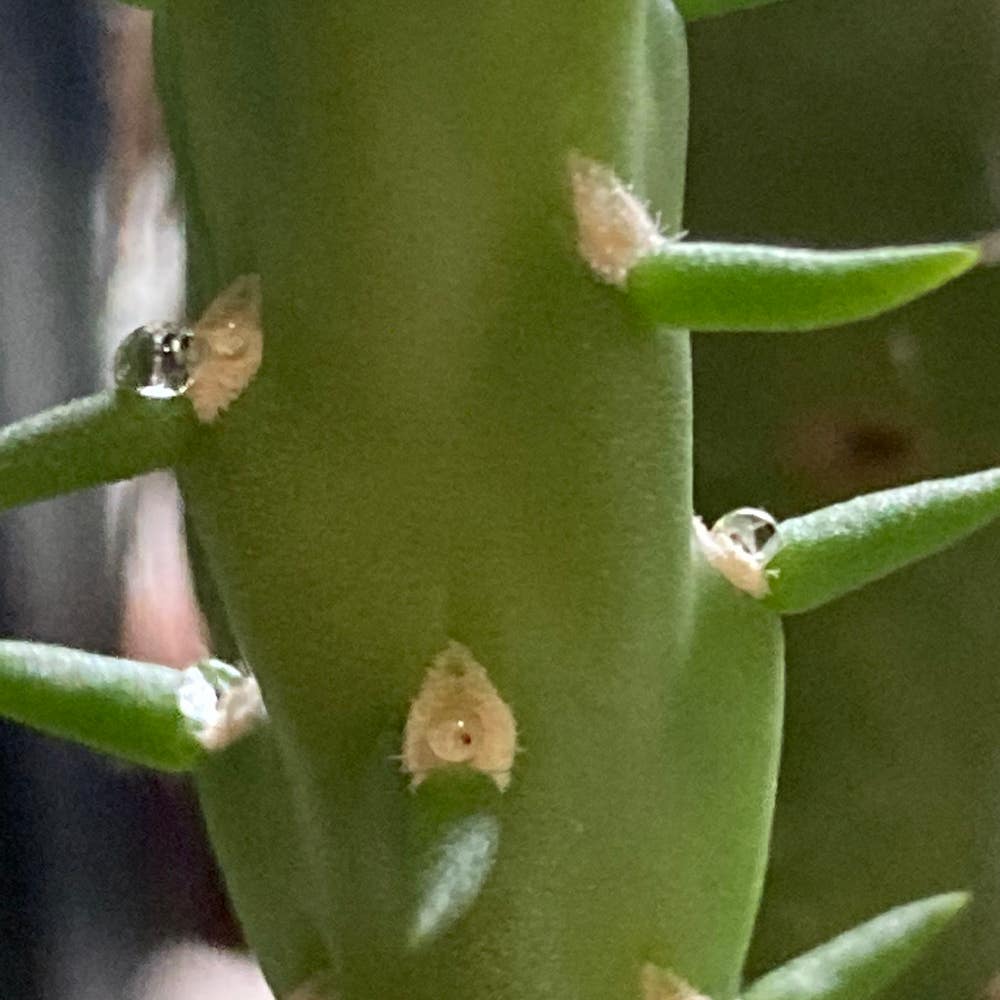
What is a Snake Cholla? Complete Guide 🌵
Cylindropuntia californica
By the Greg Editorial Team
Jan 23, 2025•10 min read
This article was created with the help of AI so we can cover more plants for you. May contain errors. See one? Report it here.
Elevate your garden with the stunning, low-maintenance Snake Cholla cactus that thrives on neglect! 🌵
- 🌞 Snake Cholla needs 6-8 hours of sunlight daily for optimal growth.
- 🌵 Plant in well-draining soil with a pH of 6.0 to 7.5 for best results.
- 💧 Water sparingly; let soil dry completely between waterings to prevent rot.
How to Grow
Choosing a location 🌞
To thrive, Snake Cholla requires full sun exposure, ideally basking in 6 to 8 hours of sunlight daily. This cactus flourishes in hot, dry conditions typical of desert environments, making it perfect for xeriscaping.
Soil preparation 🏜️
For optimal growth, plant Snake Cholla in well-draining sandy or rocky soil. Aim for a soil pH between 6.0 and 7.5, which is slightly acidic to neutral.
Planting techniques 🌱
When planting, dig a hole that allows for a depth of 2 to 3 inches. Space each plant 3 to 4 feet apart to give them room to grow and spread.
Watering requirements 🚰
Watering should be minimal; allow the soil to dry out completely between waterings. Watch for signs of overwatering, such as yellowing stems or a mushy texture.
Fertilizing 🍽️
A light fertilization once in early spring with a cactus-specific fertilizer can boost growth. This simple step helps ensure your Snake Cholla remains healthy and vibrant.
Pruning ✂️
Prune your Snake Cholla after flowering to maintain its shape and remove any dead segments. Always use gloves and sharp tools to avoid injury from its spines.
Ongoing care 🛡️
Regularly monitor your plants for pests and diseases. Adjust your care routine seasonally based on temperature changes to keep your Snake Cholla thriving.
Outdoor vs. container growing 🏡
If you choose to grow Snake Cholla in containers, ensure that your pots have drainage holes. Use cactus mix soil to provide the best environment for growth, allowing for proper drainage and aeration.
With these guidelines, you can cultivate a healthy Snake Cholla that adds beauty and resilience to your garden. Next, let’s explore how to propagate this fascinating cactus.
Propagation
🌱 Methods of Propagation
Propagation of the Snake Cholla can be achieved through two primary methods: seeds and cuttings. Each method has its unique steps and benefits, making it easy to expand your collection.
📋 Step-by-Step Instructions
For Seeds
- Soak Seeds: Start by soaking the seeds in water for 24 hours. This helps to soften the seed coat and promotes germination.
- Planting: After soaking, plant the seeds in well-draining soil. Cover them lightly and keep the soil moist until germination occurs.
For Cuttings
- Taking Cuttings: Select a healthy segment of the Snake Cholla, ideally 4-6 inches long. This ensures a robust start for your new plant.
- Callousing: Allow the cutting to callous for 1-2 days before planting it in soil. This step is crucial as it helps prevent rot.
Propagation is a rewarding process that allows you to share the beauty of Snake Cholla with others or expand your own garden. With the right techniques, you'll see your efforts flourish in no time.
Next, let's explore the lifecycle of the Snake Cholla, from germination to maturity.
None
Size
Mature height and spread 🌵
The Snake Cholla typically reaches an average height of 3 to 6 feet, making it a striking addition to any desert landscape. Its spread ranges from 2 to 4 feet wide, allowing it to fill space without overwhelming nearby plants.
Growth rate and size variability 📈
Several factors influence the size of your Snake Cholla. Soil quality, water availability, and sunlight exposure all play crucial roles in determining how tall and wide your plant will grow.
Container vs. ground growth 🏺
When grown in containers, Snake Cholla plants may be smaller due to limited root space. If you want to maximize their size, consider planting them directly in the ground where they can spread their roots freely.
With the right conditions, these resilient plants can thrive and become a stunning focal point in your garden. Next, let’s explore the fascinating lifecycle of the Snake Cholla and how it develops over time.
Roots
Characteristics of root system 🌱
The Snake Cholla features a fibrous root system complemented by a deep taproot. This structure allows the plant to access moisture and nutrients from deeper soil layers, making it well-suited for arid environments.
Root depth and spread 📏
Typically, the roots extend 1-2 feet deep, depending on the soil conditions. This depth helps the plant stabilize itself while efficiently seeking out water.
Common root-related issues ⚠️
One of the most common problems is root rot, which occurs due to overwatering. Symptoms include mushy roots that can lead to the plant's decline if not addressed promptly.
Identifying healthy vs. unhealthy roots 🔍
Healthy roots are firm and exhibit a white or light tan color. In contrast, unhealthy roots appear dark, mushy, or may emit a foul smell, indicating a serious issue.
Recognizing rootbound plants 🌳
Signs of a rootbound plant include roots growing out of drainage holes. To remedy this, consider repotting into a larger container or planting directly in the ground to give the roots more space to thrive.
Understanding the root system of the Snake Cholla is crucial for its care and longevity. Next, we’ll explore the numerous benefits this unique plant offers to both gardens and the environment.
Benefits
Top 5 benefits 🌟
Drought tolerance
The Snake Cholla is a champion of drought resistance. It thrives on minimal water, making it a perfect choice for xeriscaping and low-maintenance gardens.Wildlife habitat
This cactus serves as a vital habitat for desert wildlife. Its structure provides shelter and food for various animals, contributing to local biodiversity.Aesthetic appeal
With its unique appearance, the Snake Cholla adds visual interest to any garden. Its striking form and vibrant blooms can enhance the beauty of your outdoor space.Erosion control
Snake Cholla plays a crucial role in stabilizing sandy soils. Its root system helps prevent erosion, making it an excellent choice for desert landscapes.Cultural significance
Beyond its ecological benefits, the Snake Cholla holds cultural importance. It has been used in traditional crafts and can serve as a natural fence, showcasing its versatility.
These benefits make the Snake Cholla not just a plant, but a valuable addition to any garden or landscape. Whether you're looking to conserve water, support wildlife, or simply beautify your space, this cactus has something to offer.
Next, let’s explore the concept of companion planting and how it can enhance your gardening experience with the Snake Cholla.
Companion Plants
🌱 Concept of Companion Planting
Companion planting is all about creating a harmonious garden ecosystem. By pairing plants that support each other's growth, you can enhance overall health, improve pest management, and boost garden diversity.
🌼 Best Companion Plants
When it comes to Snake Cholla, consider these suitable companions:
- Other cacti: They thrive in similar conditions and can create a stunning visual display.
- Succulents: These drought-tolerant plants share similar water needs and can complement the cholla's unique look.
- Drought-tolerant plants: They help maintain a balanced environment without competing for resources.
🚫 Plants to Avoid
Be cautious with high-water-demand plants. These can compete for moisture and nutrients, potentially harming your Snake Cholla's growth and health.
By choosing the right companions, you can create a thriving garden that showcases the beauty of your Snake Cholla while ensuring its long-term success. Next, let's explore the potential toxicity of Snake Cholla to humans, dogs, and cats.
None
Toxicity to Dogs
Potential irritants 🌵
Snake Cholla can pose risks to dogs primarily through its spines and sap. These parts can cause irritation upon contact or ingestion.
Symptoms of irritation in dogs 🐶
If your dog comes into contact with Snake Cholla, watch for symptoms like drooling, pawing at the mouth, mild vomiting, or skin irritation. These signs indicate that your furry friend may have had an unpleasant encounter.
How irritation occurs in dogs 🤔
Irritation typically occurs when dogs ingest plant material or come into contact with the sap. This can happen during curious explorations or playful interactions with the plant.
When to seek veterinary care 🚑
If your dog exhibits persistent symptoms or if their condition worsens, it’s essential to seek veterinary care. Quick action can help ensure your pet receives the appropriate treatment and relief.
Understanding the potential hazards of Snake Cholla can help you keep your dog safe while enjoying your garden. Always supervise your pets around plants and educate yourself on which species may pose risks.
Toxicity to Cats
⚠️ Potential irritants
The Snake Cholla contains spines and sap that can irritate cats. These parts are the main culprits behind any discomfort your feline friend may experience.
🤢 Symptoms of irritation in cats
If your cat comes into contact with the Snake Cholla, watch for symptoms like drooling, pawing at the mouth, mild vomiting, or skin irritation. These signs indicate that your cat may be reacting to the plant.
🐾 How irritation occurs in cats
Irritation typically occurs when a cat ingests parts of the plant or comes into contact with its sap. Even a small nibble can lead to discomfort.
🏥 When to seek veterinary care
If your cat shows persistent symptoms or if their condition worsens, it's essential to seek veterinary care. Prompt attention can help ensure your pet's well-being.
Understanding the potential toxicity of the Snake Cholla is crucial for cat owners. By being aware of these risks, you can create a safer environment for your furry companions.
Problems
Common Problems 🌵
Growing a Snake Cholla can be rewarding, but it’s not without its challenges. Here are some common issues to watch for:
- Incorrect watering: Overwatering or underwatering can lead to yellowing or wilting.
- Incorrect light conditions: Insufficient sunlight can cause leggy growth, while too much can scorch the plant.
- Incorrect temperature: Cold damage or heat stress can affect growth and health.
- Diseases: Fungal issues, such as powdery mildew or root rot, can develop if conditions aren’t right.
- Leaf issues: Look out for yellowing or fuzzy growth, which can indicate underlying problems.
Identifying Symptoms 🕵️♂️
Recognizing the signs of distress in your Snake Cholla is crucial for timely intervention. General symptoms include:
- Stunted growth: A clear indicator that something is off.
- Discoloration: Yellowing leaves or stems can signal various issues.
- Wilting: This often points to watering problems or stress.
Solutions for Common Issues 🛠️
Addressing these problems can help your Snake Cholla thrive. Here are some practical solutions:
- Adjust watering schedule: Ensure the soil dries out completely between waterings.
- Improve light conditions: Move your plant to a sunnier spot if it’s not getting enough light.
- Treat diseases: Use appropriate fungicides to combat fungal infections.
By staying vigilant and proactive, you can keep your Snake Cholla healthy and vibrant. Next, let’s explore the fascinating world of pests that might invade your plant.
None
What Eats Snake Cholla
🦌 Common Animals
Snake Cholla, with its unique structure, attracts various wildlife.
- Deer are known to browse on the stems, leaving noticeable signs of nibbling.
- Rabbits often target the lower segments, creating evidence of their feasting.
- Squirrels can be spotted chewing on the pads or flowers, adding to the plant's challenges.
🕵️♂️ Signs of Animal Presence
Identifying animal activity around your Snake Cholla is crucial for its protection.
Look for chewed stems and droppings near the plant, which indicate that wildlife is enjoying your cactus as a snack.
🚫 Deterrent Methods
To safeguard your Snake Cholla from hungry critters, consider implementing a few deterrent strategies.
- Fencing can create a physical barrier against larger animals like deer.
- Repellents can be effective in keeping smaller pests at bay.
- Additionally, planting deterrent species nearby can help divert attention away from your prized cactus.
By taking these steps, you can enjoy the beauty of your Snake Cholla while minimizing the impact of its natural predators.
⚠️ Safety First
This content is for general information and may contain errors, omissions, or outdated details. It is not medical, veterinary advice, or an endorsement of therapeutic claims.
Always consult a qualified healthcare professional before using any plant as food, medicine, or supplement.
Never eat any plant (or feed one to pets) without confirming its identity with at least two trusted sources.
If you suspect poisoning, call Poison Control (800) 222-1222, the Pet Poison Helpline (800) 213-6680, or your local emergency service immediately.
Spotted an error? Please report it here.
Cultivate a thriving Snake Cholla garden 🌵 with Greg's tailored care reminders and expert tips that ensure your cactus flourishes in its ideal environment!