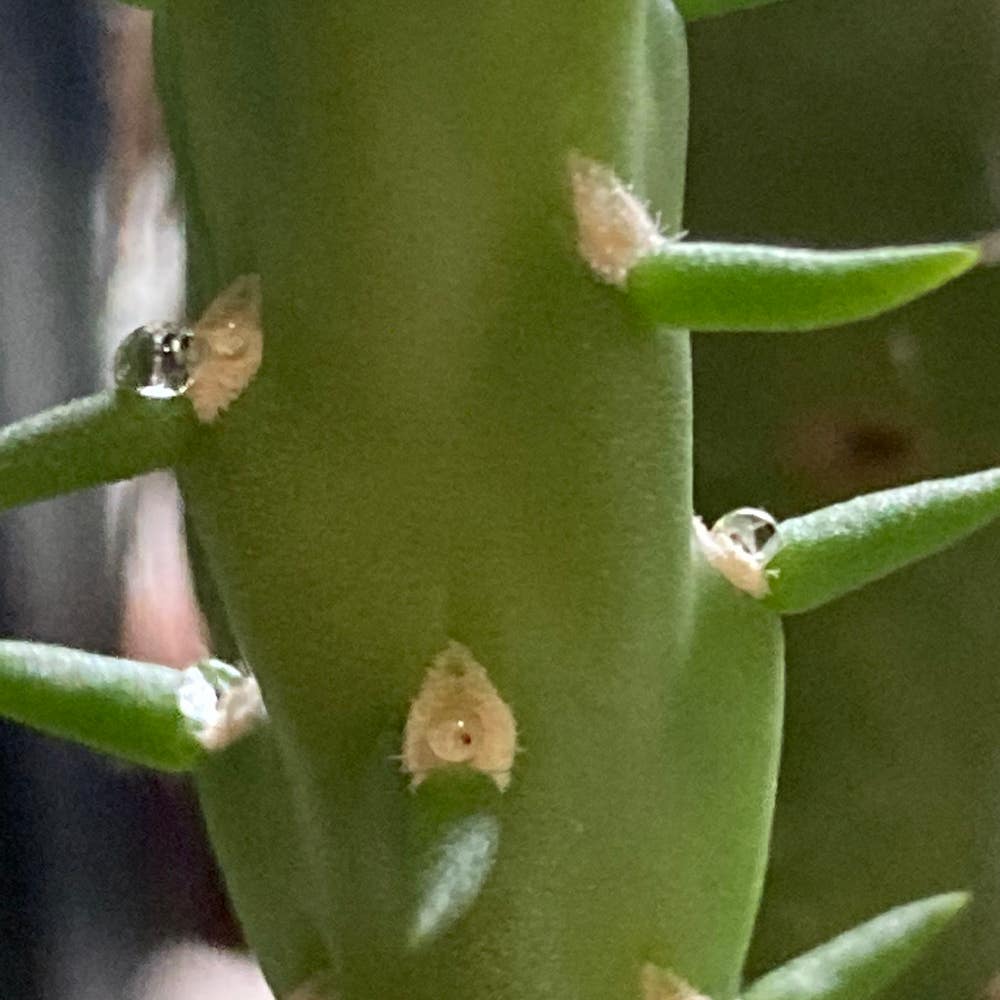
What Temperature Should My California Cholla Be Kept At?
Cylindropuntia californica
By the Greg Editorial Team
Feb 29, 2024•3 min read
This article was created with the help of AI so we can cover more plants for you. May contain errors. See one? Report it here.
Ensure your California Cholla flourishes 🌵 by nailing its ideal cozy temperature range!
- 70°F to 90°F (21°C to 32°C) is the ideal temperature range for California Cholla.
- 🌵 Watch for wilting or discoloration as signs of temperature distress.
- Consistent temperature and humidity prevent stress and maintain health.
Hitting the Sweet Spot: Ideal Temperature Range for California Cholla
🌡️ What's Just Right?
The ideal temperature range for California Cholla is a balmy 70°F to 90°F (21°C to 32°C). This range ensures your spiky companion thrives, avoiding the lethargy of cold or the exhaustion of heat.
🥵 Too Hot to Handle or Too Cold to Hold
Venturing outside the comfort zone spells trouble. Heat stress may leave your Cholla with sunburnt patches, while cold stress can lead to discoloration and softening. Keep an eye out for these visual cues—they're distress signals from your plant.
When Temperatures Take a Toll: Recognizing and Preventing Stress
🌵 Spotting the Signs of a Cholla in Distress
Wilting, discoloration, and stunted growth are red flags; your California Cholla is crying out for help. If it resembles a dried-up sea urchin more than a vibrant cactus, it's time to reassess its environment.
Plants communicate discomfort through their appearance. A Cholla in a temperature slump may drop its spiky armor, signaling it's time for a climate intervention.
🥶 Keeping the Cholla Chill
Consistency is key to avoiding temperature-induced stress. Mimic the desert's stable warmth by avoiding sudden temperature swings.
Create a microclimate oasis for your Cholla. Use shade cloths or position away from drafty windows to shield it from temperature extremes.
The Extreme Ends: Navigating Temperature Peaks and Valleys
🔥 Scorched Spines: The Perils of Too Much Heat
When your California Cholla gets too much sun, it's not just working on its tan; it's sending out an SOS. Sunburn manifests as discoloration and can lead to a weakened state, making the plant more susceptible to disease.
Immediate action is crucial. Provide shade, especially during peak sun hours, and consider a location change if the heat persists. Remember, a sunburned cactus is a stressed cactus.
❄️ Frosty Thorns: The Cold Hard Truth
Conversely, cold snaps can turn your California Cholla into a frozen statue. Blackened or mushy areas indicate frost damage, a serious threat to your plant's survival.
To protect your Cholla, bring it indoors or use a frost blanket when temperatures plummet. Think of it as giving your plant a warm hug to fend off the chill. Consistent warmth is key to preventing cold damage.
A Quick Note on Humidity: The Sidekick to Temperature
💧 Understanding the Humidity Preferences of California Cholla
Humidity plays second fiddle to temperature in the California Cholla's world. These cacti are desert natives, preferring an environment that's more dry than damp. Excessive moisture can lead to a fungal free-for-all, which is about as welcome as a skunk at a garden party.
💨 How Humidity Levels Support Temperature Management
While you're dialing in that perfect temperature, don't let humidity levels play the invisible man. Stability is the name of the game. A hygrometer is your backstage pass to keeping tabs on moisture in the air, ensuring your Cholla doesn't experience a humidity horror show.
🌡️ The Humidity Balancing Act
If your air's drier than a comedian's wit, a humidifier might be overkill. Instead, consider a pebble tray to introduce a smidge of moisture. On the flip side, if your living room's mimicking a rainforest, a dehumidifier can help you avoid turning your Cholla's home into a moldy mess.
Quick Tips for Humidity Control
Keep an eye on your hygrometer like it's the latest social media trend. Sudden swings in humidity are as jarring to your Cholla as a plot twist in a telenovela. Aim for consistency, and you'll keep your spiky companion from throwing a botanical tantrum.
⚠️ Safety First
This content is for general information and may contain errors, omissions, or outdated details. It is not medical, veterinary advice, or an endorsement of therapeutic claims.
Always consult a qualified healthcare professional before using any plant as food, medicine, or supplement.
Never eat any plant (or feed one to pets) without confirming its identity with at least two trusted sources.
If you suspect poisoning, call Poison Control (800) 222-1222, the Pet Poison Helpline (800) 213-6680, or your local emergency service immediately.
Spotted an error? Please report it here.
Ensure your California Cholla flourishes 🌵 with Greg's tailored environment tracking, making plant parenting as seamless as the desert breeze.