🐛 What To Do About Bugs on My California Cholla?
Cylindropuntia californica
By the Greg Editorial Team
Feb 29, 2024•5 min read
This article was created with the help of AI so we can cover more plants for you. May contain errors. See one? Report it here.
Defend your Cholla's charm against bugs 🐛 and ensure its vibrant health with these expert pest control tactics. 🌵
- 🕸️ Spider mites show as webbing and speckles; neem oil/insecticidal soap helps.
- Scale insects mimic bumps; remove with alcohol or during crawler stage.
- Prevent bugs with dry soil, cleanliness, and attracting beneficial insects.
Spot the Invaders: Identifying Common Pests
🕷️ Spider Mites
The Stealthy Weavers
Tiny webbing under leaves and a speckled look on your Cholla's foliage are telltale signs of spider mites. These pests are like invisible vampires to your plant, sucking out the sap and vitality.
Quick Fixes
Blast them with water or apply neem oil. Insecticidal soap is another effective weapon in your arsenal. Remember, spider mites hate moisture as much as they love your plant's juices.
🦟 Scale Insects
Bumps Be Gone
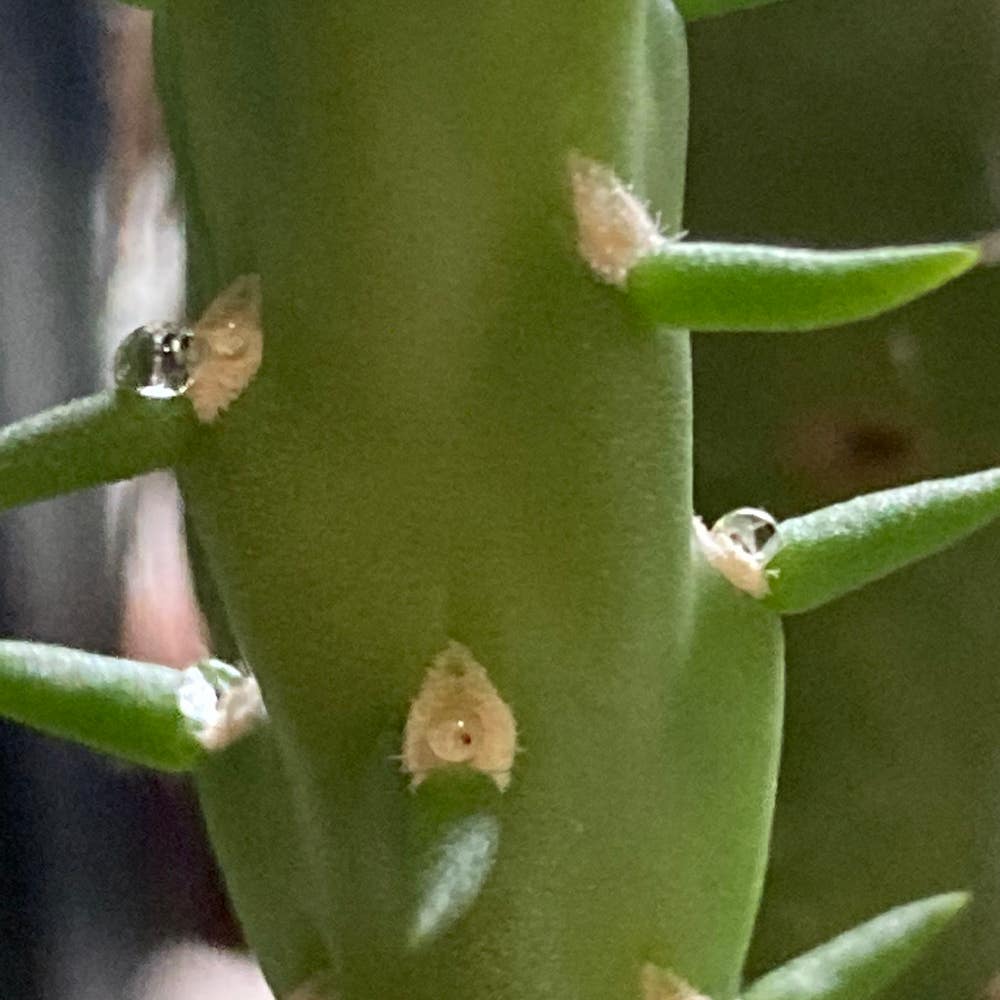
Scale insects disguise themselves as harmless bumps on stems and leaves, often exuding a sticky residue. They're freeloaders, sucking sap and excreting honeydew, which can lead to sooty mold.
Winning the Scale Battle
Catch them during their crawler stage and remove manually with a toothpick or dab them with rubbing alcohol. If they're stubborn, consider systemic insecticides as a last resort, but always follow safety instructions.
🦟 Fungus Gnats and Fruit Flies
Detecting the Buzz
If you notice adult flies around the soil or larvae within it, you've got fungus gnats or fruit flies. They're a sign of overwatered soil and a nuisance to your Cholla.
Nipping it in the Bud
Sticky traps are your first line of defense. Drying out the top layer of soil can help break the life cycle. If these tactics fail, a systemic insecticide might be necessary, but use sparingly.
🐛 Mealybugs
The White Menace
Fluffy, white deposits on your Cholla are a clear sign of mealybugs. These sap-suckers leave a distinctive mess, stressing your plant and stunting its growth.
Mealybug Eradication
Isolate the affected plant and clean with alcohol-dipped swabs. Insecticidal soaps or neem oil can also send these pests packing. Act quickly to prevent a full-blown infestation.
The Best Offense is a Good Defense: Preventative Strategies
🕵️ Regular Inspections
Visual vigilance is your first line of defense. During your routine Cholla check-ups, look for early warning signs like discoloration, unexpected leaf fall, or the presence of webbing. These could indicate a pest problem brewing.
🚫 Quarantine New Additions
New plants can be Trojan horses for pests. Isolate them for at least two weeks to ensure they're not harboring any unwanted guests. Think of it as a mandatory cooling-off period before they join the rest of your cactus collection.
💧 Optimal Watering Practices
Overwatering is an open invitation to pests. Water your Cholla only when the topsoil is dry, creating an environment that's less appealing to invaders. Remember, a well-drained cactus is a less stressed cactus.
When Bugs Strike: Effective Remedies
🌿 Organic Solutions
Go green with your pest control before reaching for the chemical artillery. Neem oil is a favorite, acting like a plant's personal bodyguard against a variety of pests. Apply it during the cooler hours to avoid sunburn on your Cholla. Insecticidal soaps can also be a soft but effective punch, targeting the pests without leaving a heavy footprint. Remember, these are best used when the sun isn't in full force.
Homemade concoctions can be surprisingly potent. Mixtures containing garlic or chili pack a punch and pests hate them. They're like setting up a no-fly zone over your Cholla. And for those with a DIY spirit, a spray of diluted dish soap and water can act like a bouncer, showing bugs the exit without trashing the place.
💣 Chemical Warfare
When the bugs just won't back down, it's time to bring out the big guns. Insecticides should be your last resort, but when used, they're like sending in the special forces. Use them with precision, targeting only the affected areas to protect the innocent – those beneficial bugs we love.
Opt for biorational pesticides when available; they're the snipers
Creating a Fortress: Making Your Cholla Less Inviting to Pests
🚫 Cultivating Unfavorable Conditions
Adjusting your care routine can be a game-changer in pest prevention. Pests thrive in certain conditions; your job is to make sure they don't find those in your Cholla's home.
- Keep it dry: Overwatering is a no-go. It's like setting up a pest spa. Stick to a watering schedule that keeps the soil on the dry side.
- Aerate the soil: This isn't just for show. Compacted soil is a pest party house. Break it up to keep the undesirables at bay.
- Cleanliness is key: Fallen leaves and debris are like a free buffet. Keep the area around your Cholla tidy to cut off the food supply.
🐞 Encouraging Natural Predators
Beneficial insects are your tiny, hungry allies. They're the bouncers at the club, keeping the riff-raff out of your Cholla's personal space.
- Plant diversity: A variety of plants attracts a variety of predators. It's like throwing a block party for bug-eating guests.
- Flower power: Flowers aren't just pretty; they're functional. They draw in the good guys who munch on the bad guys.
- Birds are the word: Birds love to snack on insects. A bird feeder or bath nearby can turn your garden into a bird diner, with pests on the menu.
Remember, the goal is to create an environment that screams, "Pests, you're not welcome here!" Implement these strategies, and watch your Cholla stand tall, unbothered by the creepy crawlies.
⚠️ Safety First
This content is for general information and may contain errors, omissions, or outdated details. It is not medical, veterinary advice, or an endorsement of therapeutic claims.
Always consult a qualified healthcare professional before using any plant as food, medicine, or supplement.
Never eat any plant (or feed one to pets) without confirming its identity with at least two trusted sources.
If you suspect poisoning, call Poison Control (800) 222-1222, the Pet Poison Helpline (800) 213-6680, or your local emergency service immediately.
Spotted an error? Please report it here.
Keep your California Cholla pest-free 🌵 with regular care and organic remedies, while Greg subtly ensures your watering routine never invites the critters.