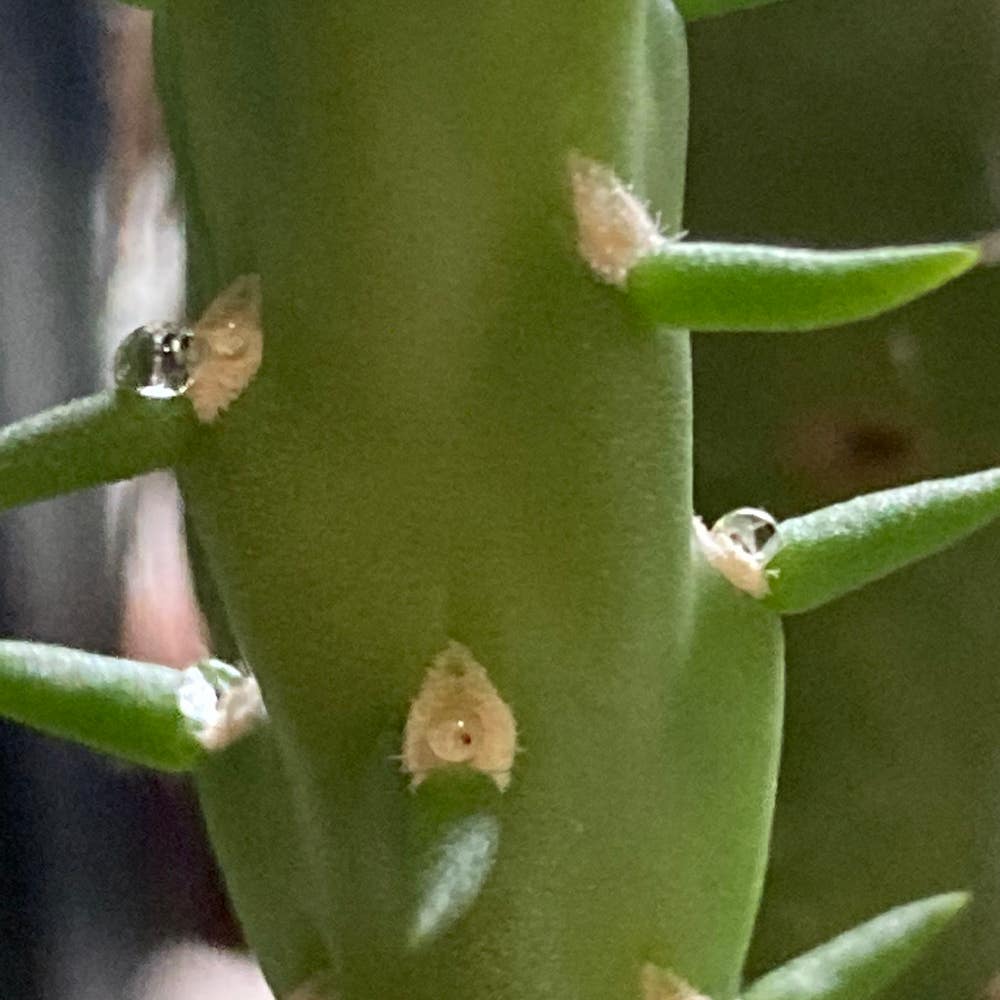
How Do I Propagate My Miqueliopuntia miquelii?
Miqueliopuntia miquelii
By the Greg Editorial Team
Apr 13, 2024•4 min read
This article was created with the help of AI so we can cover more plants for you. May contain errors. See one? Report it here.
- Choose healthy stems and use sterilized shears for successful cuttings.
- Offsets need roots and a well-draining soil to thrive after separation.
- Seeds require dryness, then moisture and warmth for germination.
Snip & Root: Stem Cuttings Propagation
🌱 Choosing Your Champion Cutting
When eyeing potential stem cuttings, robustness is key. Look for stems that are plump, unblemished, and free from the clutches of pests or disease. Timing's a dance, and the music plays during the growth phase—spring or early summer is your cue to step in.
🌿 Rooting Your Future Plant
Sterilize your shears, because cleanliness is next to plant-godliness. Make a confident, angled cut below a leaf node—think of it as a clean slate for roots. The rooting medium? A well-draining mix that's like a nurturing hug for your cutting. Consider rooting hormone the pep talk that might just spur those roots on.
🌞 The Perfect Environment
Set the stage with indirect sunlight; your cuttings are not ready for the limelight. Keep them at a cozy temperature, away from the drama of drafts. Humidity is their backstage pass—cover soil-planted cuttings with plastic to trap it, but let them breathe with occasional fresh air.
🌱 Aftercare for Cuttings
Once roots dare to peek out, it's time for a gentle watering routine—think of it as their morning coffee. Hold the fertilizer; these babies are still on a milk diet. When they've grown enough to throw a root party, graduate them to their own pots and start treating them like the grown plants they aspire to be.
Little Ones: Propagating with Offsets or Pups
🌱 Spotting and Separating Offsets
Offsets are the plantlets that grow at the base of the parent Miqueliopuntia miquelii. They're ready for separation when they've developed their own roots and resemble a miniature version of the main plant.
To separate, use a sterilized knife or scissors for a clean cut, ensuring each offset keeps some roots. If they're stubborn, a gentle twist may be necessary. After separation, let the offset dry for a day to form a protective callous.
🌿 Potting and Pampering Offsets
Choose a pot with drainage holes and fill it with a well-draining soil mix to prevent root rot. Pot your offsets shallowly, allowing their roots to breathe and acclimate.
Place your potted offsets in a spot with bright, indirect light. Direct sunlight can be too harsh, but they do need sufficient light to thrive. Water sparingly, as their roots are still fragile and prone to overwatering. Patience is key—your offsets will need time to establish and grow into independent plants.
From Tiny Seeds: Seed Propagation
🌱 Seed Collection and Prep
Harvesting seeds from Miqueliopuntia miquelii is akin to a treasure hunt where the bounty is minuscule yet mighty. When the fruit ripens, it's go-time. Use tweezers to extract seeds, ensuring they're free from the fruity pulp—cleanliness is paramount. Let them dry; a day or two should do the trick. Remember, fresh seeds are your best bet for a successful start.
🌱 Sowing and Caring for Seeds
The sowing ritual begins with a well-draining soil mix. Think potting soil with a dash of perlite or sand. Sprinkle your seeds on top, pressing them in gently—they crave light to kickstart germination. Moisture is key, but avoid waterlogging your hopefuls. Cover the soil with clear plastic to create a cozy, humid microclimate. Warmth and indirect light will be your seeds' best pals in this phase. Patience is not just a virtue but a necessity here, as you wait for the first signs of life.
Troubleshooting Propagation Pitfalls
🌱 Stem Cuttings Woes
Rot and Dryness: The Balancing Act
Rot spells trouble for stem cuttings. Overwatering is often the villain, transforming your hopeful propagation into a soggy mess. Keep the soil moist, but never waterlogged. If cuttings are drier than a stand-up comedian's wit, they're begging for hydration—moderation is key.
Rooting Hormone: A Gentle Nudge
When roots are shy, a dab of rooting hormone might just be the pep talk they need. Ensure cuttings receive enough light and warmth; these are the stage and spotlight for growth.
🌿 Offsets Challenges
Non-Rooting Offsets: Firm Contact Required
Offsets can be drama queens, requiring firm soil contact to take root. If they're looser than a pair of old jeans, they won't root. Ensure they're snug in the soil and check for proper light and warmth.
Parent Plant Health: The Root of the Issue
Sometimes, the problem lies with the parent plant. If offsets are growing slower than a lazy Sunday, inspect the parent for signs of distress. Act swiftly to correct any issues.
🌱 Seedling Setbacks
Poor Germination: Warmth and Moisture
If seeds are stubborn, it might be the soil temperature or depth. They need a warm, moist environment to sprout. Adjust your setup and keep the faith—seeds march to their own drum.
Damping Off: A Fungal Foe
Damping off can dash your seedling dreams. It's a fungal issue often due to high humidity. Keep the area clean and well-ventilated to prevent this unwelcome guest.
⚠️ Safety First
This content is for general information and may contain errors, omissions, or outdated details. It is not medical, veterinary advice, or an endorsement of therapeutic claims.
Always consult a qualified healthcare professional before using any plant as food, medicine, or supplement.
Never eat any plant (or feed one to pets) without confirming its identity with at least two trusted sources.
If you suspect poisoning, call Poison Control (800) 222-1222, the Pet Poison Helpline (800) 213-6680, or your local emergency service immediately.
Spotted an error? Please report it here.
Propagate your Miqueliopuntia miquelii like a pro by following Greg's custom reminders 🌵 for watering and care, and get community advice for those tricky steps!