Why Are My Miqueliopuntia miquelii Leaves Curling?
Miqueliopuntia miquelii
By the Greg Editorial Team
Apr 13, 2024•4 min read
This article was created with the help of AI so we can cover more plants for you. May contain errors. See one? Report it here.
- Curling leaves signal distress; address environmental and watering issues promptly.
- Pests and diseases contribute to curling; treat with appropriate methods.
- Consistent care prevents curling, ensuring optimal growing conditions for Miqueliopuntia miquelii.
Spotting the Culprits: Identifying Causes of Leaf Curl
🌿 Visual Symptoms and Immediate Responses
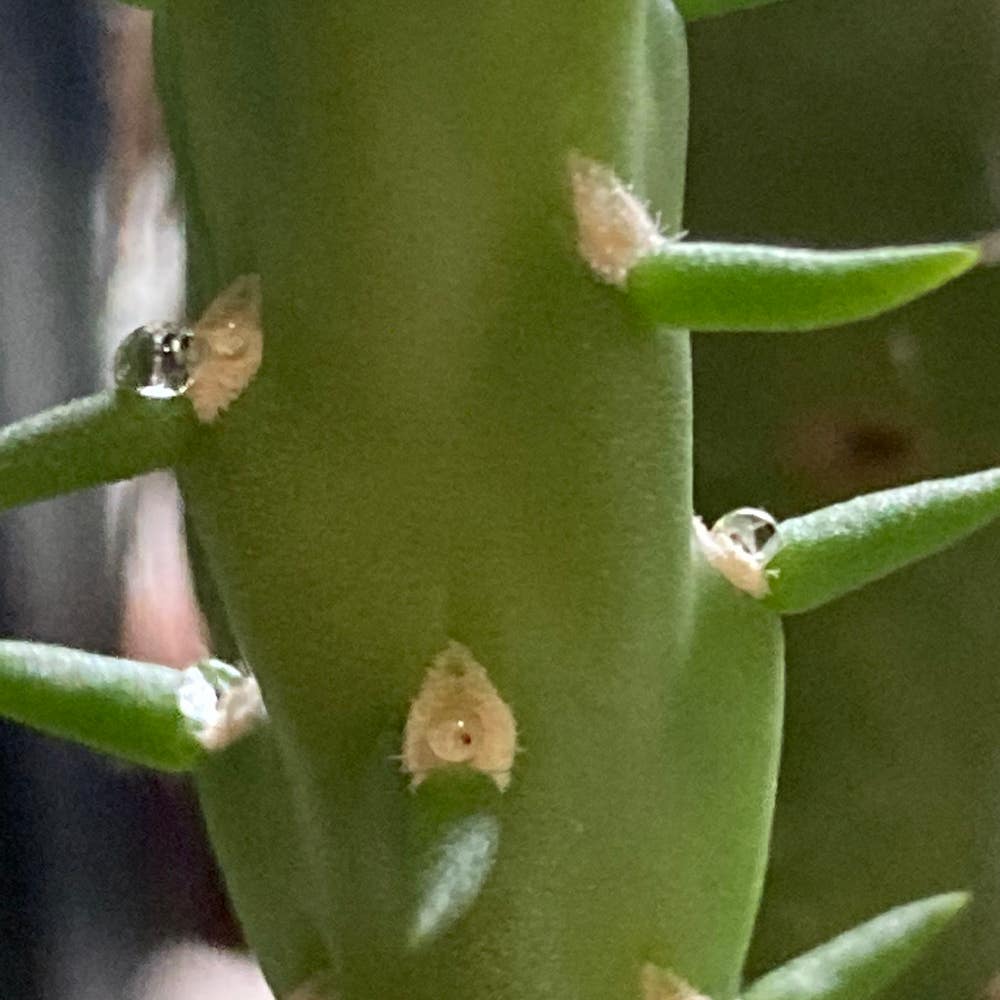
When Miqueliopuntia miquelii leaves start curling, it's not just a quirky twist; it's a distress signal. Edges curling inwards or leaves cupping up are your plant's SOS. Act fast—check the light, reassess watering, and prepare to evict any pests.
🌍 Environmental Stressors
Direct sunlight can be a clingy friend that doesn't know when to quit, causing leaves to curl for shade. Aim for bright, indirect light. Temperature swings? They're the botanical equivalent of a cold shower or a sauna—avoid drafts and radiators to prevent leaf curl.
💧 Watering Woes
Watering is a delicate dance. Overwatering leads to root rot, under-watering to drought stress—both culprits in the leaf-curling crime scene. Your plant's not being melodramatic; it's signaling distress. Water when the top inch of soil feels dry, and make sure the pot has good drainage.
Pests and Pathogens: The Tiny Troublemakers
🐛 Common Pests Leading to Curl
🕷️ Spider Mites and Aphids: The Sap-Suckers
Spider mites and aphids are notorious for causing leaf curl in Miqueliopuntia miquelii. These pests drain the life out of leaves, leaving them deformed and curled. Inspect your plant regularly for fine webbing or a sticky residue, which are telltale signs of an infestation.
🦗 Thrips: The Stealthy Ninjas
Thrips may be less noticeable but their impact is just as severe. They leave behind twisted and discolored leaves. Catch these invisible invaders by checking the undersides of leaves and act swiftly to mitigate damage.
🦠 Diseases that Cause Curling
🍄 Fungal Foes: Spots and Mildew
Fungi can wreak havoc on your Miqueliopuntia miquelii, with symptoms like spots or a powdery mildew. Isolate affected areas immediately and remove infected foliage with sterilized shears. Treat with a fungicide, adhering strictly to label instructions.
🦠 Viral Villains: The System-Wide Hack
Viral diseases, though rarer, present a variety of symptoms from twisted growth to streaked leaves. These are often more challenging to diagnose and require vigilance to manage effectively. Regular monitoring is essential for early detection and control.
Nurturing Your Miqueliopuntia miquelii Back to Health
🌵 Adjusting Care Routines
Modifying your care practices is key when you notice the leaves of your Miqueliopuntia miquelii curling. It's like being a plant detective; you've got to pinpoint the exact cause to crack the case. If overwatering is the culprit, let the soil dry out before you water again. Think of the soil's ideal moisture level as a slightly damp sponge. For light issues, ensure your cactus gets balanced exposure without being scorched by the sun's intensity.
🌿 Long-Term Plant Health Strategies
Consistency in care is the cornerstone of long-term plant health. Establish a routine that's as regular as your favorite TV show schedule. Keep the environment stable to avoid stressing your plant with temperature and humidity fluctuations. Regular health assessments are like check-ups; they help you catch issues before they become full-blown problems. Remember, a resilient care routine is your best defense against future leaf curling.
Prevention: Keeping Those Leaves Flat and Happy
🕵️ Regular Monitoring
Keep a sharp eye on your Miqueliopuntia miquelii. Like a plant detective, you're on the lookout for the slightest signs of distress. Leaf changes? Time to play plant doctor and adjust your care routine accordingly.
🌱 Optimal Growing Conditions
Creating the ideal environment for your Miqueliopuntia miquelii is crucial. This means finding that perfect balance of light, water, and temperature to mimic its natural habitat. Rotate your plant regularly to ensure even exposure and growth.
🌞 Light and Temperature
Ensure your cactus gets plenty of bright light, but watch out for scorching midday rays. Keep the temperature consistent, avoiding drafts and sudden changes that could stress your plant.
🚰 Watering and Humidity
Master the watering schedule; let the soil's top inch dry out before the next watering. Remember, overwatering is a no-go. Miqueliopuntia miquelii isn't a fan of high humidity, so keep it on the drier side.
🌱 Soil and Repotting
Use a well-draining soil mix to prevent soggy roots. Repotting? Only when necessary, and always with clean tools
⚠️ Safety First
This content is for general information and may contain errors, omissions, or outdated details. It is not medical, veterinary advice, or an endorsement of therapeutic claims.
Always consult a qualified healthcare professional before using any plant as food, medicine, or supplement.
Never eat any plant (or feed one to pets) without confirming its identity with at least two trusted sources.
If you suspect poisoning, call Poison Control (800) 222-1222, the Pet Poison Helpline (800) 213-6680, or your local emergency service immediately.
Spotted an error? Please report it here.
Prevent your Miqueliopuntia miquelii's leaves from curling by using Greg's custom care plans 🌿 to create the perfect environment for your plant.