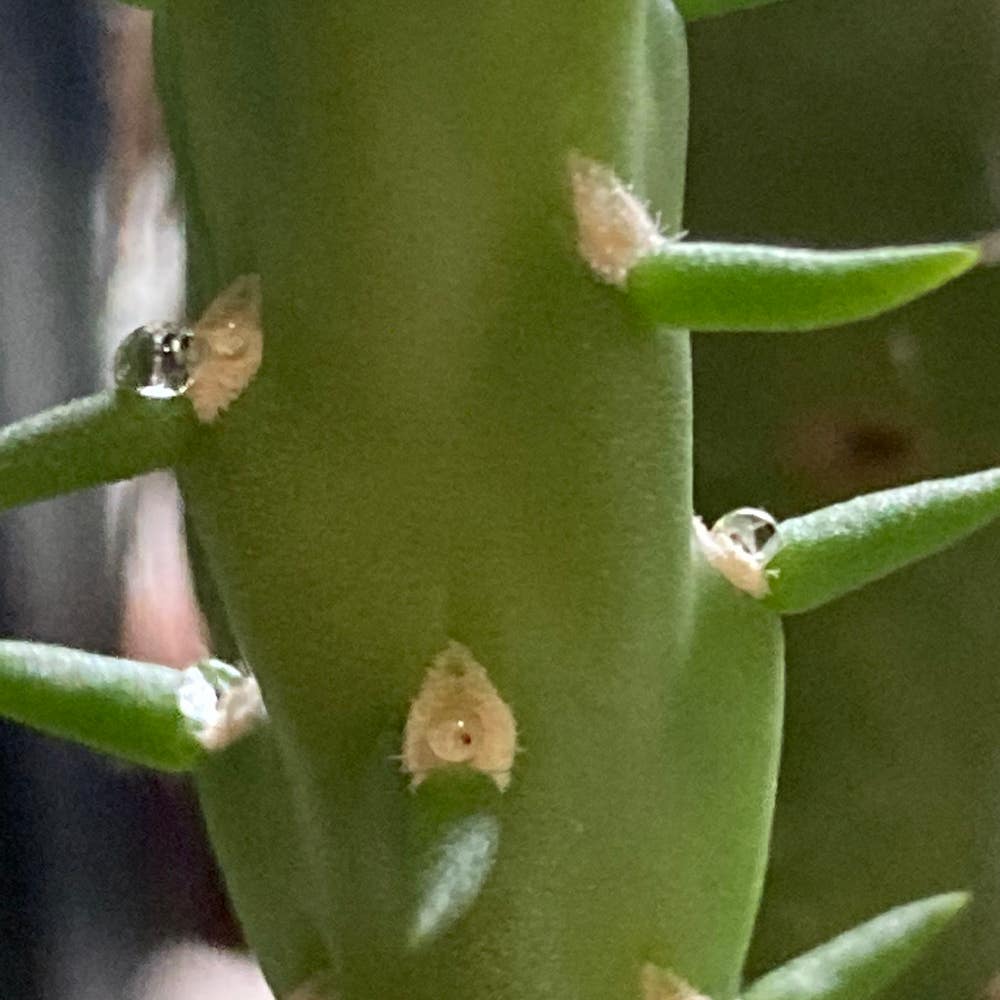
🌵 6 Do's and Don'ts of Growing Miquel's Prickly Pear
Miqueliopuntia miquelii
By the Greg Editorial Team
Sep 29, 2024•5 min read
This article was created with the help of AI so we can cover more plants for you. May contain errors. See one? Report it here.
- 🌞 Miquel's Prickly Pear needs 6+ hours of sunlight for optimal growth.
- 💧 Avoid waterlogged soil; ensure proper drainage to prevent root rot.
- 🌵 Use well-draining sandy soil with a pH of 6.0 to 7.5 for best results.
Site Selection and Soil Preparation
🌞 Choosing the Right Location
To thrive, Miquel's Prickly Pear needs full sun, requiring at least six hours of sunlight daily. This exposure not only promotes healthy growth but also enhances the plant's vibrant colors.
Drainage is crucial; avoid waterlogged conditions at all costs. Standing water can lead to root rot, which is detrimental to your cactus.
🧪 Soil Composition and pH Requirements
For optimal growth, aim for well-draining sandy or rocky soil. This type of soil allows excess water to escape, preventing root issues.
The ideal pH range for Miquel's Prickly Pear is between 6.0 and 7.5. Testing your soil's pH can help ensure the best conditions for your plant.
🏗️ Preparing the Soil for Planting
Testing Soil Drainage
Start by testing your soil drainage. Dig a hole about 12 inches deep, fill it with water, and observe how long it takes to drain.
If the water lingers, your soil may need amendments to improve drainage.
Amending Soil if Necessary
To enhance drainage, consider adding sand or perlite to your soil mix. These materials create air pockets, allowing water to flow freely.
Incorporating organic matter can also help retain nutrients, ensuring your Prickly Pear has what it needs to flourish.
With the right location and soil preparation, you're setting the stage for a thriving Miquel's Prickly Pear. Next, we'll dive into effective planting techniques to ensure your cactus gets off to a great start.
Planting Techniques
Step-by-Step Planting Guide 🌱
Planting Miquel's prickly pear starts with selecting healthy pads for propagation. Look for firm, plump pads without any signs of damage.
Next, allow the pads to callous for 1-2 days before planting. This step is crucial as it helps prevent rot.
When it’s time to plant, dig a hole and place the pads 1-2 inches deep into the soil. This depth ensures stability and promotes healthy growth.
Finally, water lightly after planting. Too much water can lead to rot, so keep it minimal at this stage.
Spacing Requirements for Outdoor Planting 📏
For outdoor planting, spacing is key. Aim for a distance of 3-4 feet between each plant to ensure optimal air circulation.
Consider the growth habits of the prickly pear as well. This spacing allows for future expansion and prevents overcrowding.
Container Planting Considerations 🪴
If you’re planting in containers, choose a pot that’s at least 12 inches in diameter. This size provides enough room for root development.
Don’t forget about drainage holes! They are essential to prevent waterlogging, which can harm your plants.
For the soil mix, opt for a well-draining blend. A combination of cactus mix and perlite works wonders for container gardening.
With these planting techniques, you're well on your way to cultivating a thriving prickly pear. Next, let’s explore how to care for your plants through proper watering and fertilizing.
Watering and Fertilizing
💧 Watering Frequency and Techniques
When you first plant Miquel's Prickly Pear, give it a light watering. This should be infrequent to avoid drowning the roots.
Once established, water your cactus every 2-4 weeks. The frequency depends on your climate, so adjust accordingly.
🚨 Signs of Overwatering and Underwatering
Keep an eye on your plants for signs of overwatering. Yellowing pads and a mushy texture indicate too much moisture.
On the flip side, underwatering shows up as wrinkled pads and stunted growth. Both conditions can be detrimental, so monitor closely.
🌱 Fertilization Schedule and Types of Fertilizers
For optimal growth, fertilize your prickly pear once in spring and again in summer. This schedule helps provide essential nutrients.
Use a balanced cactus fertilizer or a diluted liquid fertilizer. Both options will support healthy growth and vibrant pads.
By following these watering and fertilizing guidelines, you’ll set your prickly pear up for success. Next, let’s explore the best practices for pruning and maintenance to keep your plant thriving.
Pruning and Maintenance
When and How to Prune 🌱
The best time to prune Miquel's prickly pear is early spring, just before new growth begins. Focus on removing dead or damaged pads and shaping the plant for a healthier appearance.
Ongoing Care Routine 🧑🌾
Regular inspections for pests and diseases are crucial. Stick to a consistent watering and fertilizing schedule to keep your plant thriving.
Seasonal Care Considerations ❄️
In winter, protect your prickly pear from frost, especially in colder climates. During the summer, ensure it receives adequate hydration to withstand the heat.
Maintaining your prickly pear is essential for its health and productivity. With proper pruning and care, you'll enjoy a vibrant and flourishing plant that adds beauty to your space. Next, let’s explore common challenges and solutions to keep your prickly pear in top shape.
Common Challenges and Solutions
🐛 Pests and Diseases
Mealybugs
Mealybugs can be a real nuisance for Miquel's prickly pear. Look for cotton-like clusters on the pads; these pests love to hide in the crevices.
To control them, neem oil or insecticidal soap works wonders. Just apply it directly to the affected areas, and watch those pests disappear.
Scale Insects
Scale insects are another common issue. You might notice sticky residue on your pads, along with yellowing leaves.
Manual removal is effective; simply wipe them off. For a more thorough approach, use horticultural oil to suffocate these pests.
🌡️ Environmental Stress Factors
Temperature
Miquel's prickly pear thrives in a temperature range of 70°F to 100°F (21°C to 38°C). If temperatures dip too low or soar too high, your plant may show signs of stress.
Watch for wilting or discoloration. These symptoms indicate that your prickly pear is not happy with its environment.
Humidity
This cactus prefers low humidity environments. High humidity can lead to rot and other issues.
To combat this, increase air circulation around your plants and ensure proper drainage. These adjustments can make a significant difference.
🛠️ Troubleshooting Growth Issues
Common growth problems include stunted growth and discoloration. These issues often stem from improper care.
Adjust your watering practices, check for pests, and ensure your plant gets enough sunlight. With a little attention, your prickly pear will bounce back beautifully.
As you navigate these challenges, remember that every plant has its quirks. Embrace the learning process, and your gardening journey will be all the more rewarding.
⚠️ Safety First
This content is for general information and may contain errors, omissions, or outdated details. It is not medical, veterinary advice, or an endorsement of therapeutic claims.
Always consult a qualified healthcare professional before using any plant as food, medicine, or supplement.
Never eat any plant (or feed one to pets) without confirming its identity with at least two trusted sources.
If you suspect poisoning, call Poison Control (800) 222-1222, the Pet Poison Helpline (800) 213-6680, or your local emergency service immediately.
Spotted an error? Please report it here.
Grow Miquel's Prickly Pear like a pro 🌞 with Greg's tailored watering reminders and expert tips to keep your cactus thriving in the sun!