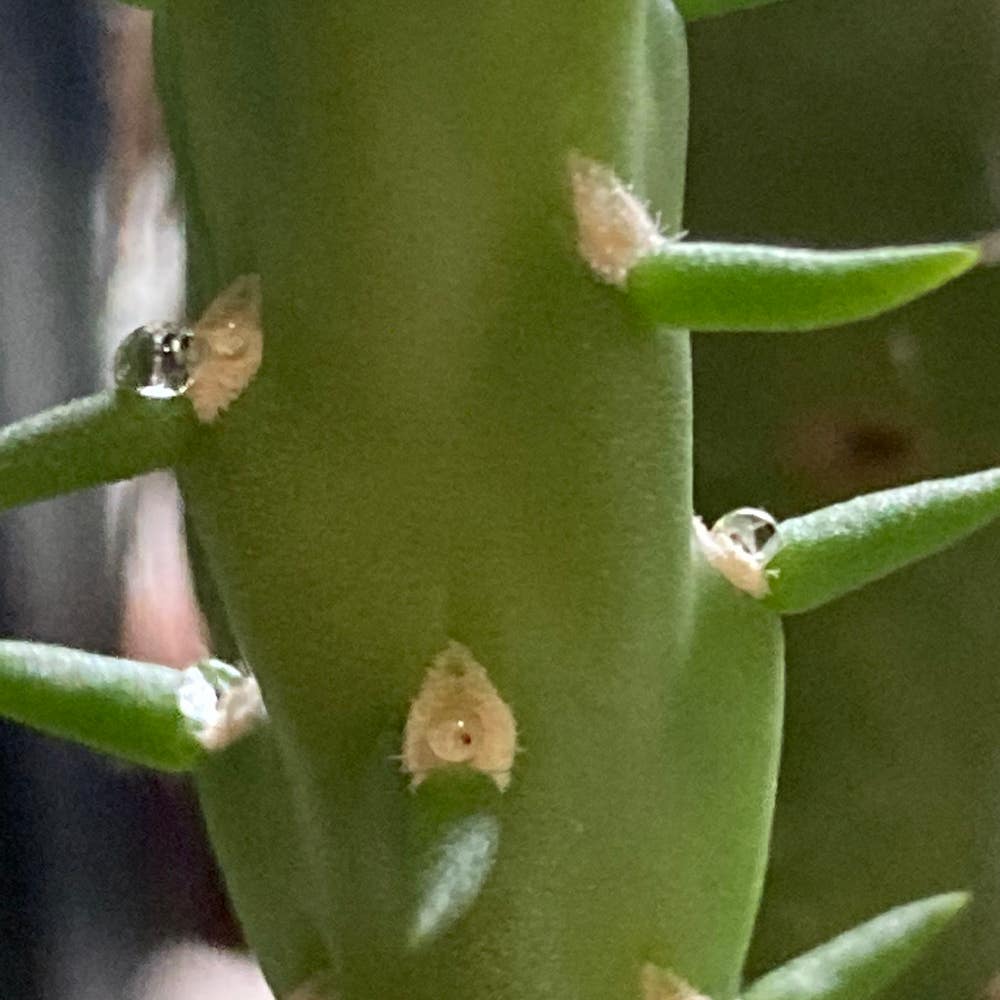
4 Tips for How to Plant Miquel's Prickly Pear 🌵
Miqueliopuntia miquelii
By the Greg Editorial Team
Sep 29, 2024•4 min read
This article was created with the help of AI so we can cover more plants for you. May contain errors. See one? Report it here.
- 🌱 Plant Miquel's Prickly Pear in spring or early summer for best growth results.
- 🌞 Ensure well-draining sandy soil with pH 6.0-7.5 for optimal health.
- 💧 Water thoroughly but allow soil to dry between waterings to prevent overwatering.
Planting New Miquel's Prickly Pear
🌱 Optimal Timing for Planting
The best time to plant Miquel's Prickly Pear is during spring or early summer. This timing ensures that temperatures are consistently warm, which is crucial for healthy growth.
Consider your local climate when planning your planting. Understanding the Prickly Pear's growth cycle will help you choose the optimal moment for planting.
🪴 Selecting the Right Soil Mix and Containers
Miquel's Prickly Pear thrives in well-draining sandy or rocky substrates. Aim for a soil pH level between 6.0 and 7.5 for the best results.
If you're opting for container gardening, select pots with drainage holes. A pot size of at least 12 inches in diameter is recommended to provide ample space for root development.
📏 Proper Depth and Spacing for Planting
When planting, dig a hole deep enough to accommodate the root system, typically 2-3 inches deeper than the root ball. This depth helps the plant establish itself more effectively.
Space your Miquel's Prickly Pear plants 3-4 feet apart. This spacing allows for adequate growth and airflow, reducing the risk of disease.
💧 Maintaining Ideal Growing Conditions
After planting, water your Miquel's Prickly Pear thoroughly. Allow the soil to dry out between waterings to prevent overwatering.
Once established, these plants require minimal water. Consider adding a layer of gravel or coarse mulch to retain moisture and suppress weeds.
🌞 Hardening Off Process
Before planting outdoors, gradually acclimate your Prickly Pear to outdoor conditions over 7-10 days. Start by exposing it to a few hours of sunlight each day.
Increase the exposure gradually to help the plant adjust. This process is vital for ensuring a smooth transition to its new environment.
By following these steps, you'll set your Miquel's Prickly Pear up for success. Next, let's explore how to transplant established plants for optimal growth.
Transplanting Established Miquel's Prickly Pear
Optimal Timing for Transplanting 🌱
Transplanting Miquel's Prickly Pear is best done in early spring or fall. Cooler temperatures during these seasons help minimize stress on the plant.
Step-by-Step Instructions for Transplanting 🛠️
- Prepare the new planting site: Ensure the soil is well-draining and the area receives adequate sunlight.
- Remove the plant from its current location: Carefully dig around the root system, aiming to keep as much soil intact as possible.
- Place the plant in the new hole: Make sure the top of the root ball is level with the surrounding soil for optimal growth.
Watering and Mulching Tips 💧
After transplanting, water the plant thoroughly. Keep the soil moist but avoid waterlogging for the first few weeks to help the plant settle in.
Mulching is also essential. Apply a layer of gravel to retain moisture and control weeds, creating a healthier environment for your Prickly Pear.
Providing Support for Newly Transplanted Plants 🏗️
If necessary, use stakes to support the plant until its roots establish.
Keep an eye out for signs of stress, such as wilting or discoloration, and adjust your care routine as needed.
With these steps, your Miquel's Prickly Pear will thrive in its new home, setting the stage for a vibrant growth journey ahead.
Troubleshooting Common Issues
🌱 Transplant Shock
Transplant shock can be a real bummer for your Miquel's Prickly Pear. Symptoms include wilting, yellowing pads, and stunted growth.
To combat this, ensure you're watering properly. Avoid disturbing the roots excessively, as they need time to settle into their new home.
🌿 Establishment Problems
If your Prickly Pear is showing poor growth or seems to be struggling after planting, it might be facing establishment problems. Signs include lack of vigor and failure to thrive.
Check the soil drainage first. Adjust your watering schedule and make sure the plant is getting adequate sunlight to help it bounce back.
🛠️ Solutions for Common Issues
Keep an eye out for pests and diseases that could affect your Prickly Pear. Regular monitoring can save you a lot of headaches down the line.
Implement preventive measures like proper spacing and good soil management. These steps can help ensure your plant remains healthy and vibrant.
With these troubleshooting tips, you can nurture your Miquel's Prickly Pear back to health and enjoy its unique beauty in your garden. Next, let's explore how to effectively transplant established Miquel's Prickly Pears for optimal growth.
⚠️ Safety First
This content is for general information and may contain errors, omissions, or outdated details. It is not medical, veterinary advice, or an endorsement of therapeutic claims.
Always consult a qualified healthcare professional before using any plant as food, medicine, or supplement.
Never eat any plant (or feed one to pets) without confirming its identity with at least two trusted sources.
If you suspect poisoning, call Poison Control (800) 222-1222, the Pet Poison Helpline (800) 213-6680, or your local emergency service immediately.
Spotted an error? Please report it here.
Get ready to thrive with Miquel's Prickly Pear 🌵 by using Greg's tailored care reminders and expert tips to ensure your plant flourishes in its new home!