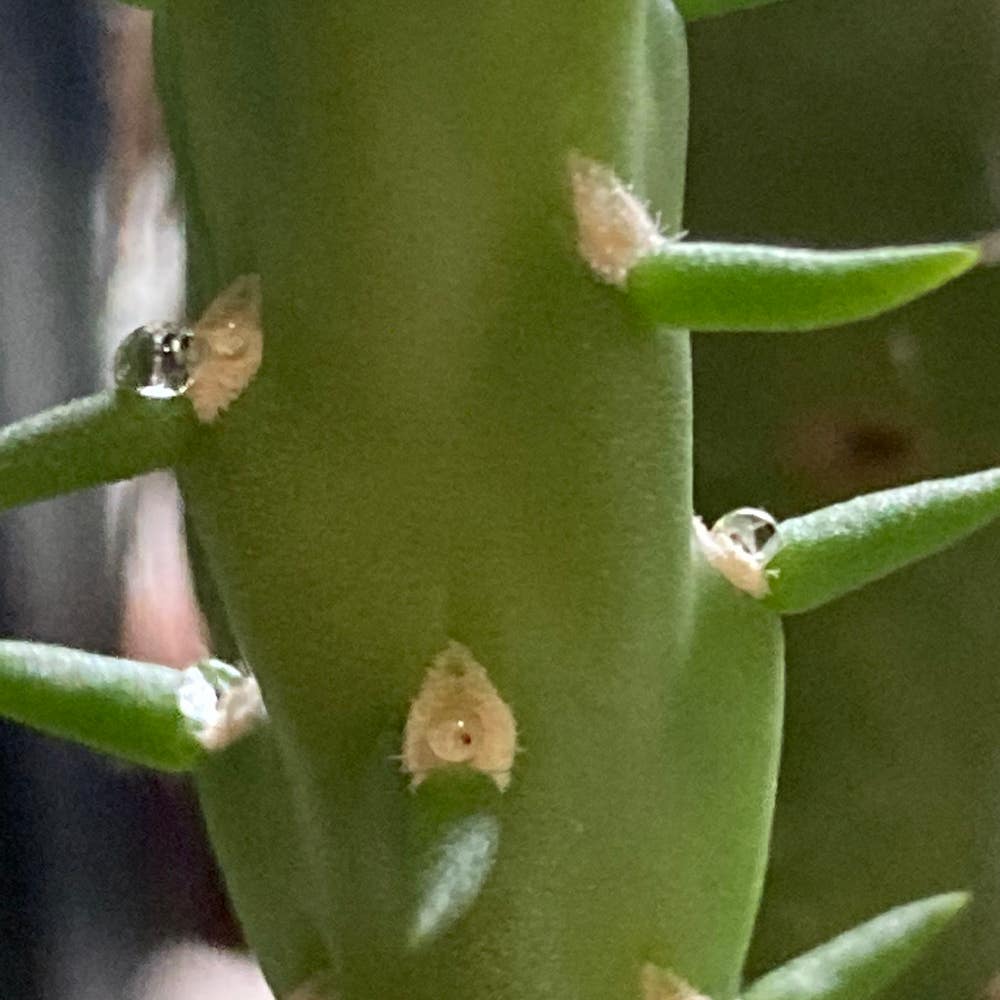
Why Are My Miqueliopuntia miquelii Leaves Falling Over?
Miqueliopuntia miquelii
By the Greg Editorial Team
Apr 13, 2024•5 min read
This article was created with the help of AI so we can cover more plants for you. May contain errors. See one? Report it here.
- Overwatering and underwatering can both cause leaves to droop; adjust watering accordingly.
- 🌞🌱 Light levels matter: Too little or too much sun can lead to leaf problems.
- Pests and diseases can cause leaf drop; use targeted treatments to manage them.
When Water Woes Weigh Down Your Plant
💦 Too Much H2O: The Perils of Overwatering
Limp leaves and a soil texture that's too friendly with your fingers are your plant's white flag – it's had too much to drink. Overwatering turns your Miqueliopuntia miquelii into a mushy mess, with leaves that feel like they've given up on life and soil that's more swamp than sanctuary.
🚱 Spotting the signs of soggy soil and root rot
Yellow leaves aren't just a fashion statement; they're a cry for help. If the soil feels like it could wring out a bucketful, you've crossed the line. Root rot sets in when your plant's feet are constantly wet, leading to a root system that's more decay than dynamo.
How to dry out the dilemma: Adjusting your watering routine
First, put the watering can down – let the soil breathe and think about what it's done. If the roots are looking like they've seen better days, it's time for some tough love: trim the rot. Move your plant to a spot where air flows like gossip, helping the soil dry out. Keep tabs on the moisture level and tweak your watering ways to avoid a repeat offense.
🏜️ Thirsty Thorns: The Underwatering Undertaking
When your plant's leaves droop like they've just heard bad news, it's a sign they're thirstier than a tourist in the desert. Underwatering leaves your Miqueliopuntia miquelii looking deflated, with leaves that are more crispy than a fresh salad.
Recognizing a parched plant and limp leaves
If the leaves look like they're ready to crumble at a touch, your plant is sending an SOS. When the soil pulls away from the pot's edge, it's not playing hard to get – it's parched.
Quenching the thirst: Finding the watering sweet spot
To hit the hydration sweet spot, think of watering like a perfect piece of chocolate cake – moist, not dry. Water deeply when the topsoil has the dryness of a polite cough, but don't wait until it's a dust bowl. Consistency is your plant's BFF – set a schedule, but always double-check the soil's mood first. Remember, it's easier to revive a plant that's been on a watering diet than one that's been swimming in excess.
Let There Be Light: Balancing Sun and Shade
🌱 Dimming Down: How Low Light Leads to Limp Leaves
Identifying a sun-starved Miqueliopuntia miquelii is straightforward: look for leaves that droop like they've given up. They're not lazy; they're light-deprived. To perk them up, gradually increase light exposure. Think about nudging your plant closer to a window or introducing a grow light to mimic the sun's pep talk.
💡 Bright ideas: Boosting light levels for your Miqueliopuntia miquelii
Get your hands on a light meter if you're tech-inclined; it's a tell-all for whether your plant is soaking up enough rays. No gadget? No problem. Observe growth patterns: leggy stems and pale leaves are crying out for more light. Rotate your plant regularly to ensure even exposure, and consider a brighter spot that doesn't cross into the sun's direct path.
🌞 Sunburnt and Sorrowful: When Too Much Sun Strikes
When your plant's leaves look like they've had a day too long at the beach, it's a sign of too much sun. Discoloration and a texture reminiscent of potato chips are your clues. It's time to dial back the sun worship and offer some shade.
🏖️ Shifting shades: Protecting your plant from harsh rays
If your plant is throwing shade with scorched leaves, it's pleading for protection. Use sheer curtains to soften the sun's harshness, or for outdoor plants, a shade cloth works like sunscreen. Keep an eye out for bleached spots or a sunburned look, and then move your plant to a less intense spot. It's about finding that goldilocks zone of light for your Miqueliopuntia miquelii – not too much, not too little.
The Bug Battle: Pests and Diseases That Tip the Scales
🐛 Unwanted Guests: Tackling Pests That Topple Leaves
Pests can turn your Miqueliopuntia miquelii into a droopy mess. Mealybugs, scale insects, and spider mites are the usual suspects. They're stealthy, sapping strength from your plant and causing leaves to fall over.
Check the undersides of leaves for stickiness or webbing. If you spot these signs, it's time to take action. A strong stream of water can dislodge many pests, while insecticidal soap or neem oil offers a more targeted approach.
🦠 Sickly Stems: Diagnosing Diseases That Drop Leaves
Diseases sneak up on your succulent, often signaled by yellowing leaves or unsightly spots. These symptoms can escalate quickly, leading to leaf drop and a sad-looking plant.
Isolate the affected plant to prevent the spread. Prune away any diseased sections—think of it as surgery for survival. If the disease persists, consider a fungicide, but use it as a precise tool, not a blanket solution. Remember, clean tools and clear surroundings are your plant's allies in this fight.
⚠️ Safety First
This content is for general information and may contain errors, omissions, or outdated details. It is not medical, veterinary advice, or an endorsement of therapeutic claims.
Always consult a qualified healthcare professional before using any plant as food, medicine, or supplement.
Never eat any plant (or feed one to pets) without confirming its identity with at least two trusted sources.
If you suspect poisoning, call Poison Control (800) 222-1222, the Pet Poison Helpline (800) 213-6680, or your local emergency service immediately.
Spotted an error? Please report it here.
Ensure your Miqueliopuntia miquelii never droops again with Greg's custom care 🌱 reminders for watering, light, and pest control, tailored to keep your plant perfectly perky.