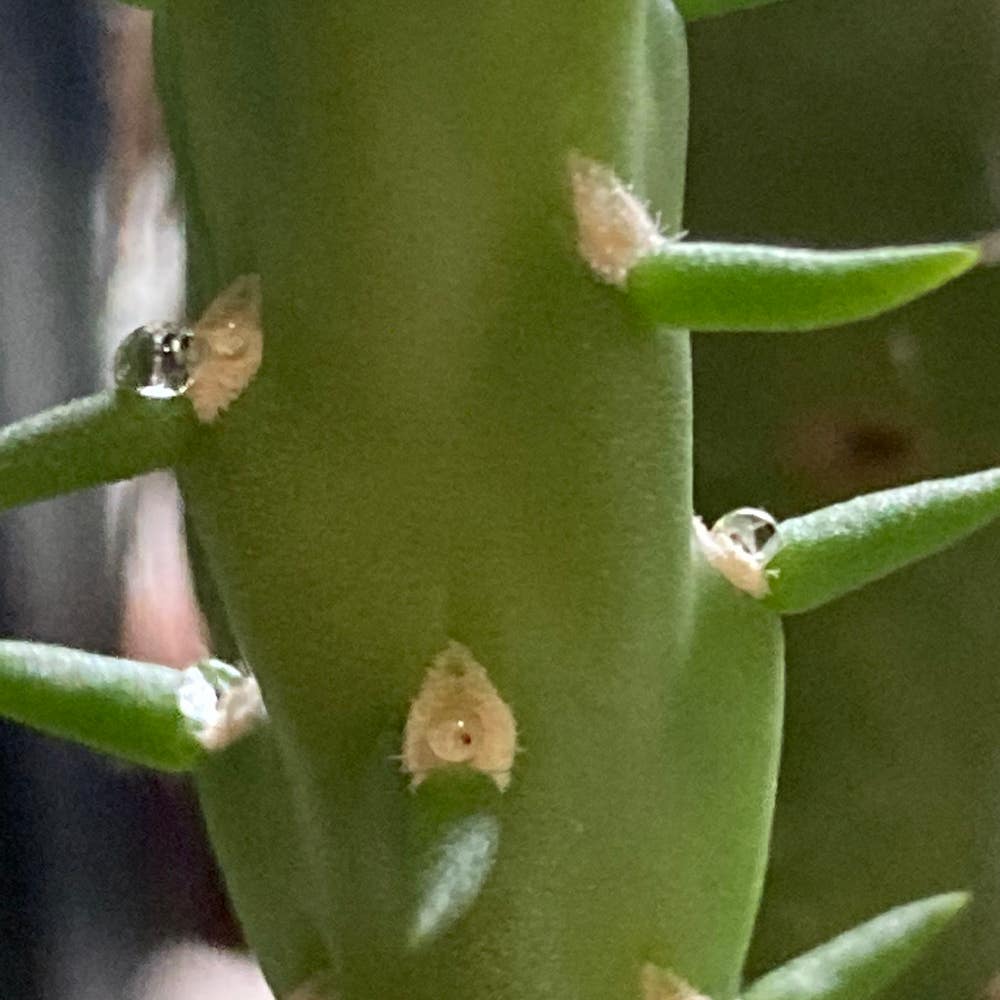
7 Indoor Miquel's Prickly Pear Care Hacks 🌵
Miqueliopuntia miquelii
By the Greg Editorial Team
Sep 29, 2024•4 min read
This article was created with the help of AI so we can cover more plants for you. May contain errors. See one? Report it here.
- 🌞 Miquel's Prickly Pear needs 6-8 hours of bright, indirect sunlight daily for growth.
- 💧 Water every 2-4 weeks, adjusting for seasons to prevent root rot.
- 🐛 Regularly check for pests like mealybugs; neem oil can help prevent infestations.
Light Requirements
Optimal Indoor Light Levels 🌞
Miquel's Prickly Pear thrives on 6-8 hours of bright, indirect sunlight each day. If you notice stretched pads, pale color, or slow growth, your cactus might be craving more light.
Role of Grow Lights 💡
When natural light falls short, grow lights become essential. They help supplement light, especially in dim indoor spaces, ensuring your cactus gets the brightness it needs.
Choosing the Best Grow Light 🛠️
Selecting the right grow light involves considering several factors. Focus on the light spectrum, intensity, and energy efficiency to find the best fit for your plant.
- Recommended wattage: Aim for 20-40 watts for optimal growth.
- Placement: Position grow lights 12-18 inches above your cactus for effective coverage.
By ensuring your Miquel's Prickly Pear receives adequate light, you set the stage for vibrant growth and health. Next, let’s dive into the watering needs to keep your cactus thriving.
Watering Needs
Frequency and Amount 🌊
Miquel's prickly pear thrives on a careful watering schedule. Aim to water every 2-4 weeks, adjusting based on the season and your indoor environment.
Soak the soil thoroughly during each watering, ensuring that excess water drains away. This helps prevent root rot while keeping your cactus hydrated.
Signs of Overwatering and Underwatering 🚨
Recognizing the signs of overwatering is crucial for your cactus's health. Look for yellowing pads, a mushy texture, or even root rot, which can signal that you've given it too much water.
On the flip side, underwatering can lead to wrinkled pads, stunted growth, and browning edges. Keep an eye on your plant to ensure it gets just the right amount of moisture.
Understanding these watering needs will set you on the right path to nurturing a healthy Miquel's prickly pear. Next, let’s explore the ideal humidity and temperature conditions for optimal growth.
Humidity and Temperature
Ideal Humidity Levels 🌬️
Maintaining the right humidity is crucial for your Miquel's Prickly Pear. Aim for an optimal range of 20-30%, which is perfect for most indoor settings.
To control humidity, avoid placing your cactus near humidifiers or in overly humid rooms. This will help prevent unwanted moisture that can lead to issues.
Temperature Range for Indoor Growth 🌡️
The ideal temperature for indoor growth is between 20°C to 30°C (68°F to 86°F). This range keeps your cactus thriving and happy.
While Miquel's Prickly Pear can tolerate brief drops to 10°C (50°F), it's essential to protect it from frost. A little chill is okay, but too much can be detrimental.
With the right humidity and temperature, your cactus will flourish. Next, let’s dive into the best soil and fertilization practices to keep it growing strong!
Soil and Fertilization
Best Soil Type 🌱
For your Miquel's Prickly Pear, the right soil is crucial. A well-draining cactus mix or a custom blend of potting soil, sand, and perlite works wonders.
The ideal soil pH should be slightly acidic to neutral, ranging from 6.0 to 7.0. This balance ensures your cactus thrives without nutrient lockout.
Fertilization Schedule and Types 🌿
Fertilizing your cactus is essential for robust growth. Aim to fertilize every 4-6 weeks during the growing season, which spans spring and summer.
When choosing fertilizers, go for a balanced, water-soluble cactus fertilizer with an NPK ratio of 10-10-10. This mix provides the nutrients your plant craves without overwhelming it.
By following these soil and fertilization tips, you'll set your Miquel's Prickly Pear up for success. Next, let’s dive into common issues and solutions to keep your cactus healthy and thriving.
Common Issues and Solutions
🐛 Common Pests and Prevention Methods
Indoor Miquel's prickly pear can attract pests like mealybugs, spider mites, and scale. Regular inspections are crucial; catching these pests early can save your plant from serious damage.
To prevent infestations, consider using neem oil treatments. Keeping your plant's environment clean also helps deter pests from making a home on your cactus.
🔍 Troubleshooting Common Indoor Growing Problems
If you notice yellowing pads, it’s time to investigate. This often signals overwatering or insufficient light, both of which can be easily adjusted.
Stunted growth is another red flag. Assess your light levels and nutrient availability to ensure your prickly pear is thriving.
🌦️ Seasonal Care Adjustments
As the seasons change, so should your care routine. In winter, reduce watering frequency and maintain cooler temperatures to mimic the plant’s natural dormancy.
During summer, increase watering and ensure your cactus gets plenty of light. This adjustment helps your prickly pear flourish during its active growth phase.
With these tips, you can tackle common issues and keep your indoor prickly pear healthy and vibrant. Next, let’s explore the best soil and fertilization practices to support your plant’s growth.
⚠️ Safety First
This content is for general information and may contain errors, omissions, or outdated details. It is not medical, veterinary advice, or an endorsement of therapeutic claims.
Always consult a qualified healthcare professional before using any plant as food, medicine, or supplement.
Never eat any plant (or feed one to pets) without confirming its identity with at least two trusted sources.
If you suspect poisoning, call Poison Control (800) 222-1222, the Pet Poison Helpline (800) 213-6680, or your local emergency service immediately.
Spotted an error? Please report it here.
Cultivate a thriving Miquel's Prickly Pear 🌵 with Greg's tailored watering reminders and light tips, ensuring your cactus gets the perfect care it needs to flourish!