Black Spots on My Miqueliopuntia miquelii Leaves
Miqueliopuntia miquelii
By the Greg Editorial Team
Apr 13, 2024•5 min read
This article was created with the help of AI so we can cover more plants for you. May contain errors. See one? Report it here.
- Check leaf undersides for tiny black spots on new and mature leaves.
- Fungicides and bactericides treat fungal and bacterial black spots respectively.
- Prevent with care routines, monitoring, and proper plant spacing.
Spotting the Culprit: Identifying Black Spots
🔍 Visual Clues
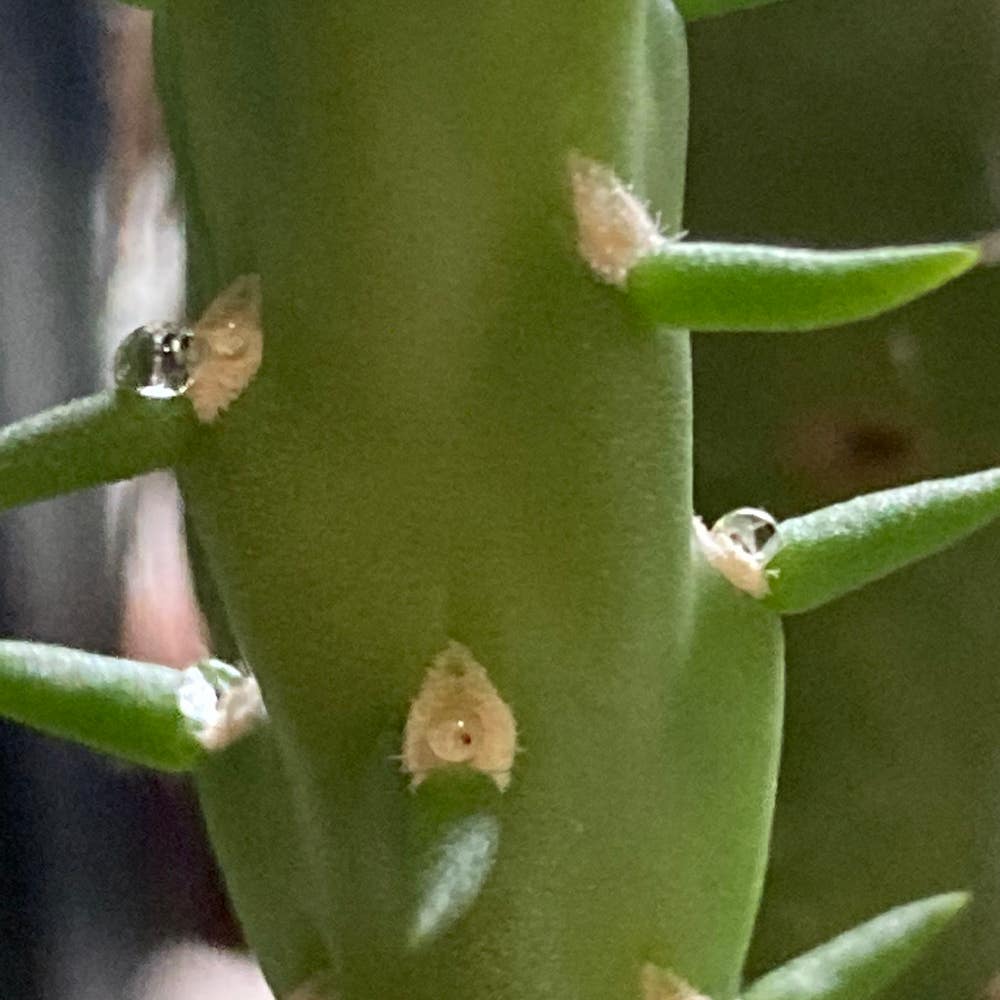
Dark specks or blotches on your Miqueliopuntia miquelii leaves? That's your cue. These black spots can be as tiny as pinheads, often starting out less than ⅛ inch in diameter. They're the ninjas of the plant world, preferring the leaf's underside for their stealthy beginnings.
🎯 Spot Locations
Don't just glance at the tops; flip those leaves. Black spots love the undersides, but they're not picky—they'll hit new growth and mature leaves alike. It's a full-on covert operation.
🌌 Texture and Patterns
Get hands-on. Fungal spots feel crusty, while bacterial spots are more like a soggy mess. And if you see a yellow halo, that's the fungal world's version of a neon sign flashing "trouble."
📏 Size and Quantity
Keep tabs on the number and size of the spots. A few here and there might not set off alarms, but a leaf riddled with spots is waving a red flag. Be vigilant; these spots can grow or merge into unsightly blotches if left unchecked.
🕵️♀️ Early Detection
Regular leaf check-ups are your plant's health screenings. Catching these spots early can be the difference between a quick fix and a full-blown plant crisis. So, inspect regularly and act promptly at the first sign of these unwelcome guests.
Section
Playing Detective: Diagnosing Black Spots
🔍 Step-by-Step Guide
- Sanitize your tools. This is non-negotiable; you're preventing an outbreak, not starting one.
- Remove affected leaves with precision. Think surgeon, not lumberjack.
- Assess the environment. Is your plant gasping for air or drowning in light?
- Check the watering schedule. Too much love can be just as bad as neglect.
- Spot patterns. Size, shape, and any funky halos or goo are your leads.
- Soil test. When visual clues run dry, dig deeper—literally.
🌳 Checking the Surroundings
- Location, location, location. Your plant's home matters. Cramped quarters invite trouble.
- Airflow is king. Stagnant air is a party invitation for fungal freeloaders.
- Light exposure. Your plant needs its sun-kissed tan without the burn.
🕵️ When to Call in the Pros
- If you're stumped, consult a plant pathologist. They're the crime scene investigators of the plant world.
- Keep an eye on your plant's reaction post-intervention. No improvement means back to the drawing board.
- Remember, vigilance is your best tool. Regular check-ups can catch the culprits before they settle in.
The Battle Plan: Treating Black Spots
🛡️ Fungicide to the Rescue
When black spots mar your Miqueliopuntia miquelii, fungicides are your first call to action. Choose wisely; protectant fungicides are for early-stage infections, acting as a barrier. For more serious cases, systemic fungicides work from the inside out. Always read the label—this is your battle plan, not a mere suggestion.
🎯 Choosing the Right Fungicide
Opt for broad-spectrum fungicides like chlorothalonil or mancozeb for a protective shield. Apply with sniper-like precision, ensuring every leaf is covered. Rotate your fungicides to prevent the enemy—fungi—from developing resistance.
🕰 Applying Fungicides Correctly
Timing is crucial. Apply treatments during the early morning or late evening when the plant is most receptive. Coat every leaf, front and back, as if you're protecting your skin from the sun. Miss a spot, and you're practically inviting the fungus back for a rematch.
Bacterial Infection? Here's What to Do
If bacteria are your culprits, reach for copper-based bactericides. Think of them as your plant's antibiotics. But first, isolate the infected plant to prevent an outbreak. Prune the affected areas with sterilized tools—think of it as removing the infected tissue.
Applying Bactericides
Apply bactericides with care, balancing thorough coverage with the risk of over-application. It's a delicate dance between too little and too much. Sterilize your tools post-treatment; you're not just pruning, you're preventing the spread of disease.
Keeping the Spots at Bay: Prevention Strategies
🌱 Adjusting Care Routines
Regular inspections are the cornerstone of black spot prevention. Think of it as your plant's personal health coach, keeping it in top shape. Adjust watering with the seasons: less in winter, more in summer, always at the base to avoid leaf moisture.
📝 Monitoring and Early Detection
Keep a log of your Miqueliopuntia miquelii's health. Any changes in leaf appearance? Jot it down. It's like a diary, but for your plant. Early morning watering lets any splashes dry out, reducing disease risk.
🧼 Sanitation Strategies
Clean your tools post-use. It's basic hygiene but for plants. This simple act can ward off not just black spots but a whole host of other ailments. Soil and water management are key players in this game.
🌿 Spacing for Health
Balance moisture levels and airflow around your plant. It's like setting the perfect room temperature for guests, only your guests are leaves that hate black spots.
🕵️ Routine Checks and Balances
Vigilance is your plant's best friend. Regular checks are like routine health check-ups, catching issues before they balloon into full-blown crises. Adjust care routines as needed, and quarantine new plants to avoid disease spread.
🛡️ Fortify the Fortress
Preventative measures are your plant's armor against black spots. Stay consistent with monitoring—it's like being on a stakeout, and the moment you look away, that's when the black spots strike. Keep those eyes peeled.
🌞 Sunlight and Shade
Ensure your Miqueliopuntia miquelii gets its Goldilocks zone of sunlight. Bright but indirect light is the sweet spot. Too much sun can lead to sunburn, and that's a VIP pass for black spots.
🕵️ Vigilance and Adjustment
Monitor any subtle changes in your plant. A discolored leaf could be a distress signal. It's about tuning in to your plant's needs and acting like a plant whisperer.
🌱 Plant Hygiene Tips
Remember, regular care and vigilance are the dynamic duo in preventing black spots. It's not just about cutting away affected areas, it's about nurturing the healthy parts to be resilient.
⚠️ Safety First
This content is for general information and may contain errors, omissions, or outdated details. It is not medical, veterinary advice, or an endorsement of therapeutic claims.
Always consult a qualified healthcare professional before using any plant as food, medicine, or supplement.
Never eat any plant (or feed one to pets) without confirming its identity with at least two trusted sources.
If you suspect poisoning, call Poison Control (800) 222-1222, the Pet Poison Helpline (800) 213-6680, or your local emergency service immediately.
Spotted an error? Please report it here.
Eradicate those pesky black spots 🍂 on your Miqueliopuntia miquelii with Greg's tailored care reminders and real-time expert advice for plant perfection.