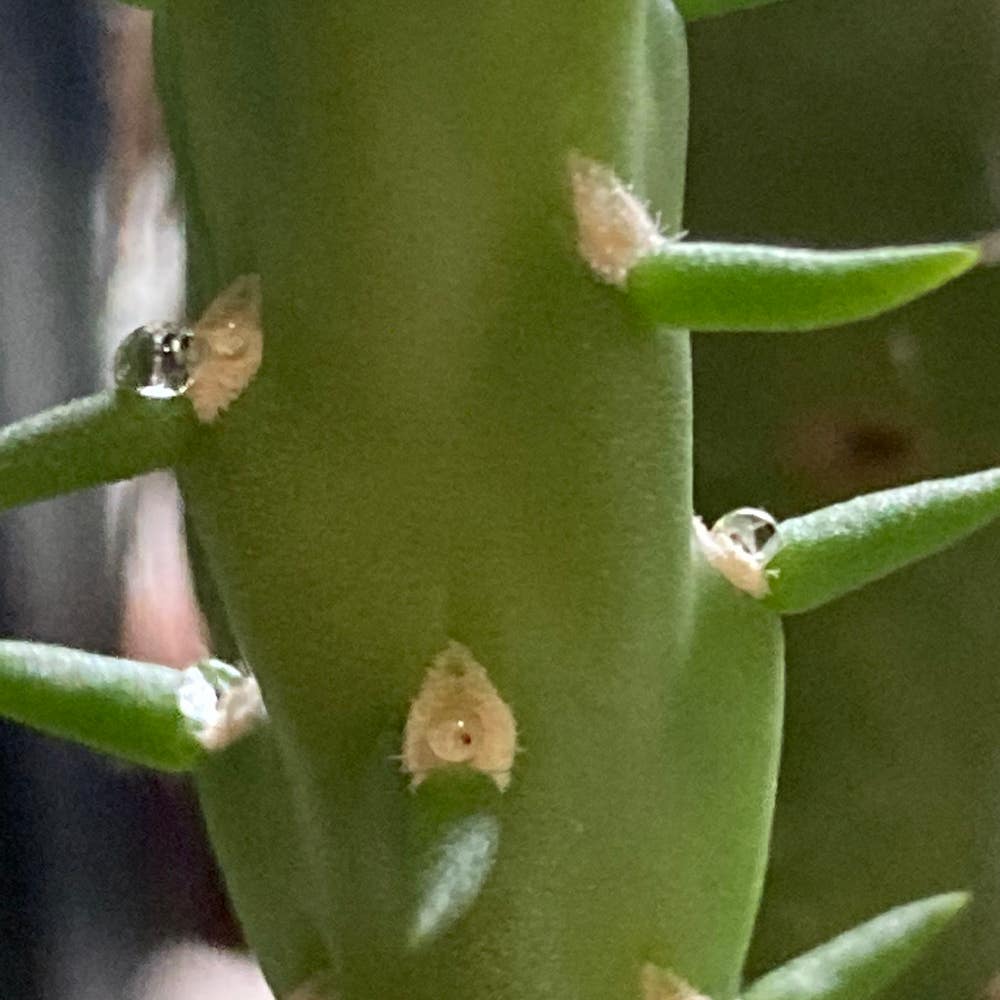
🌵 Miquel's Prickly Pear Wilting? Here's What to Do
Miqueliopuntia miquelii
By the Greg Editorial Team
Sep 29, 2024•6 min read
This article was created with the help of AI so we can cover more plants for you. May contain errors. See one? Report it here.
- 💧 Wilting in Miquel's Prickly Pear is mainly due to water, heat, or environmental stress.
- 🌡️ Monitor for browning edges and drooping pads to identify heat and water stress.
- 🌱 Regular inspections and proper watering can revive and maintain plant health effectively.
Causes of Wilting in Miquel's Prickly Pear
🌊 Common Causes
Wilting in Miquel's Prickly Pear often stems from three primary factors: water stress, heat stress, and environmental stress.
Water Stress
Water stress is a leading cause of wilting. Symptoms include drooping pads and a shriveled appearance, typically resulting from infrequent watering or prolonged drought conditions.
Heat Stress
Heat stress can also take a toll on your plant. Look for browning edges and sunburned pads, which indicate excessive sunlight or high temperatures without adequate hydration.
Environmental Stress
Environmental stress factors can further complicate care. Sudden temperature changes and poor air circulation can lead to wilting, making it crucial to monitor your plant's surroundings.
🦠 Uncommon Causes: Pathogenic Wilt
While pathogenic wilt is generally rare in Miquel's Prickly Pear, it’s important to be aware of it. Signs include yellowing pads and a mushy texture, but remember, these issues are less likely than environmental factors.
Understanding these causes can empower you to take action before your plant's health declines. Next, let’s explore how to diagnose wilting in your Miquel's Prickly Pear effectively.
Diagnosing Wilting in Miquel's Prickly Pear
📝 Step-by-Step Guide
Assess the environment
Start by checking for recent temperature fluctuations. Sudden changes can stress your plant.Inspect soil moisture
Use a moisture meter or your finger to test the soil's dryness. This will help you determine if your plant is thirsty.Examine the plant
Look closely for signs of pests or disease. Discoloration or texture changes in the pads can indicate underlying issues.
🚰 Identifying Signs of Water Stress
Water stress often manifests as shriveling pads and dry soil. Compare the current condition with your previous watering schedules to spot any inconsistencies.
🔥 Recognizing Heat Stress Symptoms
Heat stress can be identified by browning edges and wilting during peak sunlight hours. Keep an eye on temperature and sunlight exposure to catch these symptoms early.
By following these diagnostic steps, you can pinpoint the cause of wilting in your Miquel's Prickly Pear. This understanding will guide you toward effective solutions, ensuring your plant thrives.
Solutions for Wilting Leaves
💧 Actionable Advice for Water Stress
Water stress is a common issue for Miquel's Prickly Pear. To combat this, water the plant when the top 2 inches of soil feel dry.
Using the bottom watering technique can be particularly effective. This method encourages deep root growth, ensuring your plant stays hydrated.
☀️ Addressing Heat Stress
Heat stress can also lead to wilting. If your plant is suffering from excessive sunlight, consider moving it to a shaded area during peak heat.
Gradually acclimating your prickly pear to full sun exposure can help it adjust without further stress.
🦠 Techniques for Disease-Related Wilting
If you suspect disease-related wilting, act quickly. Start by removing any affected pads to prevent the spread of potential pathogens.
In rare cases, using fungicides may be necessary, but this should be a last resort.
🌱 Reviving Techniques
To revive your wilting plant, try the bottom watering method.
- Fill a shallow tray with water.
- Place the pot in the tray for 30 minutes.
- Remove it and allow excess water to drain.
Additionally, providing temporary shade during extreme heat can help your plant recover.
✂️ Pruning Damaged Leaves
Pruning is essential if pads are severely wilted or damaged. Use clean, sharp tools for the best results.
Cut at the base of the affected pad to encourage new growth. This method can be moderately challenging but is often necessary for the plant's health.
By implementing these solutions, you can help your Miquel's Prickly Pear thrive again. Next, let’s explore preventive measures to keep your plant healthy and vibrant.
Preventive Measures
Best Practices 🌱
Establishing a regular watering schedule is crucial for Miquel's Prickly Pear. Adjust your routine based on seasonal changes to ensure your plant gets the hydration it needs.
Check the soil regularly to confirm it drains well. This prevents waterlogging, which can lead to root rot and other issues.
Environmental Conditions for Optimal Growth ☀️
Miquel's Prickly Pear thrives in a temperature range of 20°C to 30°C (68°F to 86°F). Keeping your plant within this range will promote healthy growth.
Ensure it receives full sun for 6-8 hours daily. This exposure is vital for its overall health and resilience.
Regular Monitoring and Care Tips 🔍
Conduct weekly inspections for any signs of stress. Early detection can save your plant from more severe issues down the line.
Be ready to adjust watering and light exposure based on seasonal changes. Flexibility in care can make all the difference in keeping your prickly pear vibrant and thriving.
By implementing these preventive measures, you can help your Miquel's Prickly Pear flourish and avoid wilting. Next, let’s explore its unique characteristics and how they influence care.
Unique Characteristics
🌵 Native Habitat and Growth Habits
Miquel's Prickly Pear thrives in arid desert ecosystems, where well-draining soil is essential. This cactus has adapted to store water in its pads, allowing it to survive long periods without rainfall.
🌡️ Sensitivity to Environmental Changes
These plants respond quickly to fluctuations in temperature and moisture levels. Understanding this sensitivity is crucial for effective care, as even minor changes can lead to wilting or stress.
By recognizing these unique characteristics, you can better cater to the needs of your Miquel's Prickly Pear, ensuring it remains healthy and vibrant. Next, let’s explore when it might be time to seek expert help for your plant.
When to Seek Help
🚨 Signs That Require Expert Assistance
If your Miquel's Prickly Pear continues to wilt despite your best care efforts, it may be time to call in the experts. Persistent wilting can indicate deeper issues that simple adjustments can't fix.
Look out for severe signs of disease or pest infestation. Yellowing pads, unusual textures, or visible pests are red flags that warrant professional attention.
📚 Resources
Finding the right help is crucial. Local plant experts can provide tailored advice and solutions specific to your region.
Don't hesitate to engage with the plant care community. Online forums and local gardening clubs are great places to share experiences and gather insights from fellow enthusiasts.
With the right support, you can ensure your Miquel's Prickly Pear thrives once again.
⚠️ Safety First
This content is for general information and may contain errors, omissions, or outdated details. It is not medical, veterinary advice, or an endorsement of therapeutic claims.
Always consult a qualified healthcare professional before using any plant as food, medicine, or supplement.
Never eat any plant (or feed one to pets) without confirming its identity with at least two trusted sources.
If you suspect poisoning, call Poison Control (800) 222-1222, the Pet Poison Helpline (800) 213-6680, or your local emergency service immediately.
Spotted an error? Please report it here.
Revive Miquel's Prickly Pear and keep it thriving 🌵 with Greg's tailored watering reminders and expert community support to tackle any wilting issues head-on!