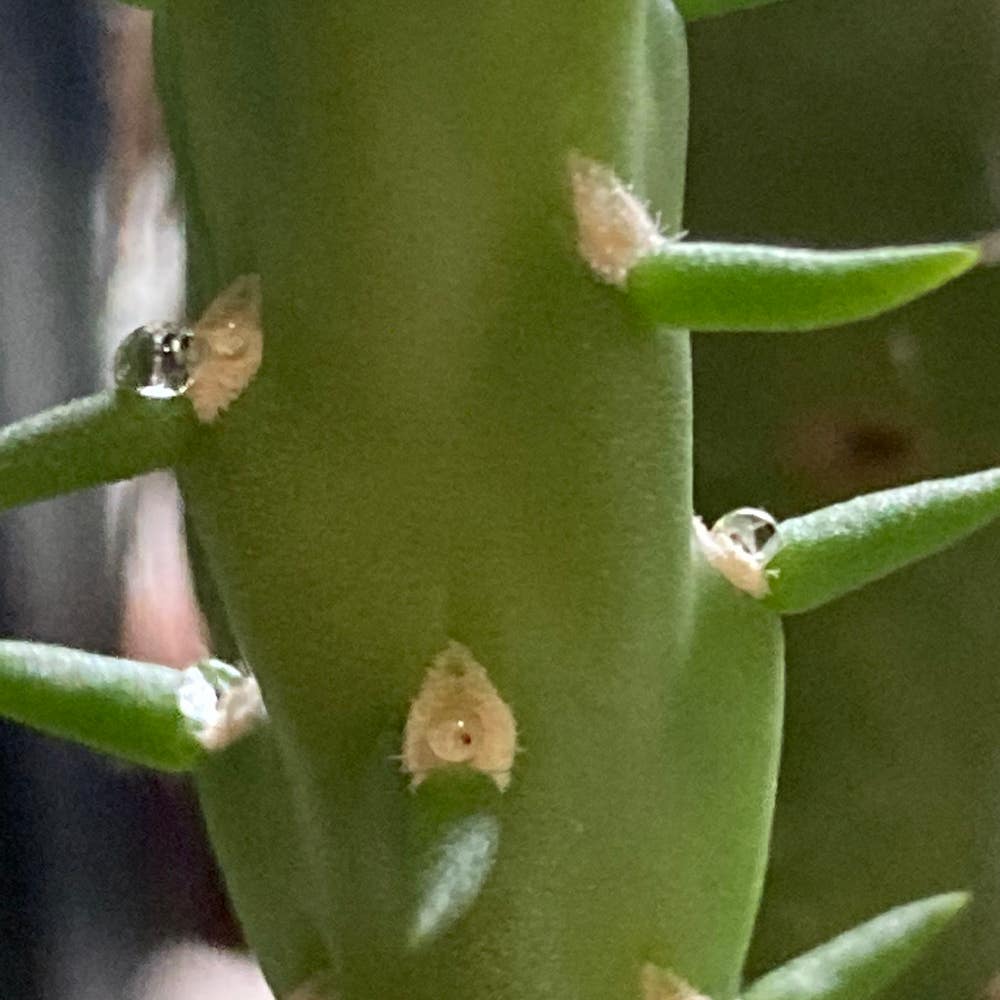
🌡 What Temperature Does My Miqueliopuntia miquelii Need?
Miqueliopuntia miquelii
By the Greg Editorial Team
Apr 13, 2024•4 min read
This article was created with the help of AI so we can cover more plants for you. May contain errors. See one? Report it here.
- Optimal range 68°F-77°F (20°C-25°C) for Miqueliopuntia miquelii's health.
- 🌡️ Consistent temperature is key; avoid drafts and fluctuating areas.
- Monitor and adjust seasonally to protect from heat waves and cold shocks.
The Sweet Spot: Ideal Temperature Range for Miqueliopuntia miquelii
♨️ What's the magic number?
For Miqueliopuntia miquelii, optimal growth and flowering occur within a specific temperature range. While the exact sweet spot may vary slightly, a general guideline is to keep your cactus cozy between 68°F and 77°F (20°C and 25°C). Straying too far from this range isn't just bad form—it's a gamble with your cactus's well-being.
Keeping the heat just right
Consistency is key in maintaining the ideal temperature for your Miqueliopuntia miquelii. Here's how to avoid turning your cactus's life into a rollercoaster:
- Placement: Position your cactus in a spot that avoids direct drafts and fluctuating temperatures. Think about the sun's path and the room's airflow.
- Seasonal Adjustments: Be mindful of the changing seasons. As temperatures dip or rise, tweak your cactus's environment accordingly. A little foresight goes a long way.
- Monitoring: Invest in a reliable thermometer. Regular checks can prevent your plant from breaking a sweat or catching a chill.
- Strategic Shading: During heat waves, use shades or move your plant to prevent it from baking like a potato in an oven.
- Heat Sources: In colder months, consider a heat mat or space heater—just ensure it's not too close, or you'll have a cactus toast on your hands.
Remember, your Miqueliopuntia miquelii doesn't have a voice to tell you when it's uncomfortable, so it's on you to keep its temperature just right.
When Your Cactus Says "Ouch": Recognizing Temperature Stress
🌡️ Spotting the signs
Wilting and discoloration are the cactus's red flags for temperature distress. A Miqueliopuntia miquelii that's too hot might sport crispy, sunburned patches, while cold stress can leave it looking frostbitten and soft.
🌞 What's cooking your cactus?
Heat waves can turn your cactus into toast, while frost is like an unwanted ice bath. Even a drafty window can cause temperature stress, making your cactus more drama queen than desert king.
Turning Down the Heat: Mitigating Temperature Stress
🌡️ Quick fixes for a too-hot situation
When your Miqueliopuntia miquelii starts to resemble a sunburnt tourist, it's time to act fast. Shade is your first line of defense against a heatwave. A simple umbrella or reflective material can shield your cactus from harsh sunlight. If you're indoors, move the plant away from windows that amplify the sun's intensity.
Watering during the cooler hours of early morning or late evening ensures the soil retains moisture without rapid evaporation. However, avoid overwatering; think of it as giving your cactus a sip, not a swim.
Warming up to the cold
Conversely, when temperatures drop, your cactus needs a warm hug. Wrapping the pot in bubble wrap or moving it to a warmer spot can stave off the cold. If your cactus lives indoors, keep it clear of drafty windows and doors.
For those particularly frosty times, a plant heat mat can be a lifesaver, providing consistent warmth without turning your cactus into a hot potato. Always remember, changes in temperature should be as gradual as a sloth's morning stretch to avoid shocking your spiky friend.
A Touch of Humidity: Its Minor Role
💧 The Understated Influence of Humidity
Humidity might not be the headline act in the Miqueliopuntia miquelii show, but it's a key grip behind the scenes. This cactus doesn't need a rainforest vibe, but a bit of atmospheric moisture can prevent it from feeling like a fish out of water.
🌡 Keeping Humidity in Check
Overlook humidity, and you risk a mummified cactus; too much, and you're in a petri dish of potential pathogens. Use a hygrometer to avoid playing a guessing game with your plant's comfort.
🌿 Real-World Humidity Hacks
If your air is drier than a stand-up comedian's wit, consider a humidifier or a pebble tray. Conversely, if your indoor jungle feels like a prehistoric swamp, it might be time to dial down the humidity.
🌡 The Humidity-Temperature Tango
Remember, as temperatures rise, a slight increase in humidity won't usually cause a stir. However, when the mercury drops, keep humidity low to avoid creating a fungus-friendly fiesta. It's all about balance, like finding the right amount of cream in your coffee.
⚠️ Safety First
This content is for general information and may contain errors, omissions, or outdated details. It is not medical, veterinary advice, or an endorsement of therapeutic claims.
Always consult a qualified healthcare professional before using any plant as food, medicine, or supplement.
Never eat any plant (or feed one to pets) without confirming its identity with at least two trusted sources.
If you suspect poisoning, call Poison Control (800) 222-1222, the Pet Poison Helpline (800) 213-6680, or your local emergency service immediately.
Spotted an error? Please report it here.
Keep your Miqueliopuntia miquelii perfectly pampered 🌵 with Greg's reminders to adjust temperature and humidity, ensuring your cactus never shivers or sweats!