🌵 Why Miquel's Prickly Pear Is Not an Annual
Miqueliopuntia miquelii
By the Greg Editorial Team
Sep 29, 2024•6 min read
This article was created with the help of AI so we can cover more plants for you. May contain errors. See one? Report it here.
- 🌵 Miquel's Prickly Pear is a perennial, thriving for decades in arid climates.
- 💧 Drought-resistant traits and CAM photosynthesis help it survive limited water conditions.
- 🌼 Blooms multiple times annually, showcasing its robust reproductive success unlike annuals.
Miquel's Prickly Pear as a Perennial
🌱 Genetic Characteristics
Miquel's Prickly Pear, scientifically known as Opuntia miquelii, is a remarkable perennial. Its genetic makeup equips it for long-term survival in arid environments, showcasing adaptations that enhance resilience to drought and extreme temperatures.
💧 Physiological Traits Supporting Perennial Growth
This plant boasts specialized water-storing tissues, allowing it to thrive even in dry conditions. Additionally, it employs the CAM (Crassulacean Acid Metabolism) pathway for efficient photosynthesis, maximizing energy capture during limited water availability.
🏗️ Structural Features
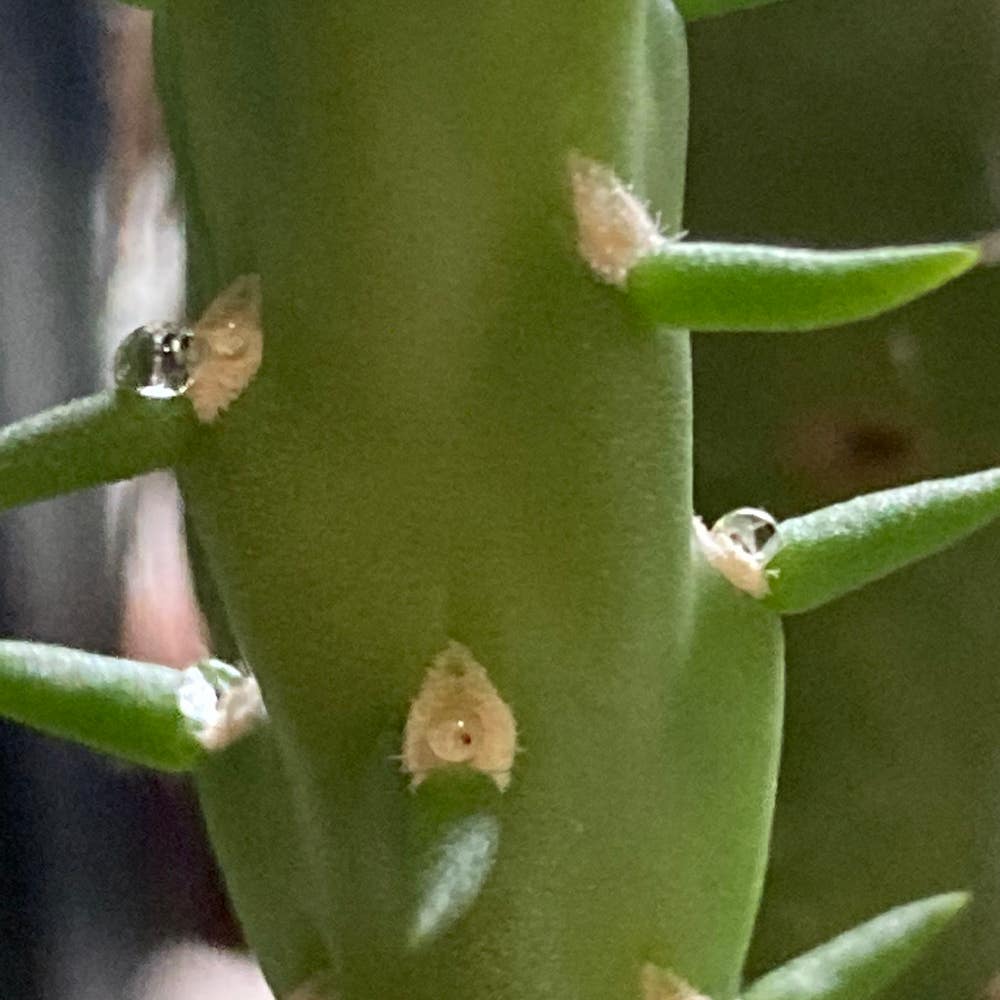
The thick, fleshy pads of Miquel's Prickly Pear are not just visually striking; they serve a crucial role in storing nutrients and moisture. These adaptations are vital for its survival and growth in challenging climates.
📅 Long-Term Lifecycle and Growth Patterns
Miquel's Prickly Pear can live for decades, consistently producing flowers and seeds each year. Initially, it may grow slowly, but once established, it expands robustly, showcasing its perennial nature.
❄️ Seasonal Behavior
This plant exhibits distinct seasonal behavior, entering dormancy during winter months. As temperatures rise, it springs back to life, actively growing and blooming in warmer conditions, a testament to its adaptability.
Understanding these characteristics not only highlights the resilience of Miquel's Prickly Pear but also sets the stage for exploring its lifecycle and reproductive strategies.
Lifecycle Comparison
Reproductive Strategies 🌱
Miquel's Prickly Pear employs two primary reproductive strategies: sexual and vegetative reproduction. It produces vibrant flowers that lead to seed production, while also capable of clonal growth through pad detachment.
Pollination plays a crucial role in its lifecycle. This plant can self-pollinate, but it also attracts various pollinators, enhancing genetic diversity.
Differences in Flowering and Seed Production Compared to Annuals 🌼
Unlike annuals, which typically bloom once a season, Miquel's Prickly Pear can produce multiple blooms throughout its growing period. This extended flowering period allows for a more robust seed production strategy.
Additionally, the seeds of Miquel's Prickly Pear boast long-term viability. Their dispersal strategies are finely tuned to ensure survival in varying conditions, unlike the often short-lived seeds of annuals.
Environmental Factors Influencing Growth Cycles 🌍
Optimal growth for Miquel's Prickly Pear hinges on specific temperature and moisture levels. It thrives in warm, dry conditions, making it well-suited for arid environments.
Soil quality and drainage also significantly impact its growth patterns. Well-draining soil rich in nutrients fosters healthy development, while seasonal variations can affect both flowering and fruiting cycles, adapting to the rhythms of nature.
Understanding these factors can help gardeners create the ideal conditions for this resilient perennial.
Misconceptions and Exceptions
🌪️ Conditions Where Miquel's Prickly Pear May Be Treated as an Annual
Miquel's Prickly Pear can sometimes be mistaken for an annual due to extreme weather conditions. Frost or prolonged drought can severely impact its growth, pushing it to behave like a short-lived plant.
Poor soil quality also plays a role. Nutrient deficiencies can stunt its development, making it seem less perennial than it truly is.
Misidentification is another common issue. In non-ideal environments, it may be confused with annual cacti, leading to misconceptions about its lifecycle.
🌍 Regional Variations Affecting Its Classification
Geographic distribution significantly influences how Miquel's Prickly Pear is classified. Native habitats often support its perennial nature, while cultivated environments may not provide the same conditions.
Adaptation to local climates is crucial. Variability in growth and reproduction can occur based on temperature and moisture levels, affecting its classification.
Urban gardening practices can further complicate matters. These practices may not align with the plant's natural growth patterns, leading to misunderstandings about its true nature.
Understanding these misconceptions helps gardeners appreciate the resilience of Miquel's Prickly Pear. By recognizing its adaptability, you can better care for this remarkable plant in various environments.
Next, we’ll explore the gardening implications of treating Miquel's Prickly Pear as a perennial.
Gardening Implications
🌱 Advantages of Planting as a Perennial
Planting Miquel's Prickly Pear as a perennial offers several advantages. It requires lower maintenance over time, making it a smart long-term investment for any garden.
This cactus is also drought-resistant, making it ideal for xeriscaping and low-water gardens. Its ability to thrive in arid conditions means you can enjoy a vibrant garden without constant watering.
Additionally, Miquel's Prickly Pear attracts pollinators and supports local wildlife. This ecological benefit enhances biodiversity in your garden, creating a thriving ecosystem.
🌼 Garden Design Strategies for Incorporating Perennials
When incorporating perennials like Miquel's Prickly Pear, consider companion planting. Pairing it with other drought-resistant plants can create a harmonious and resilient garden.
Utilizing vertical space through layering is another effective strategy. Combining cacti and succulents not only maximizes space but also adds visual interest.
Planning for seasonal appeal is crucial. By selecting plants that bloom at different times, you can ensure your garden remains vibrant year-round.
🌿 Tips for Maximizing Longevity and Health in the Garden
Proper soil preparation is essential for Miquel's Prickly Pear. Use well-draining, nutrient-rich substrates to promote healthy growth.
Adopt deep, infrequent watering practices. This encourages strong root development and helps the plant withstand dry spells.
Mulching is another effective technique. It retains moisture and regulates soil temperature, creating a stable environment for your cactus.
By following these tips, you can cultivate a thriving garden that showcases the beauty and resilience of Miquel's Prickly Pear. As you explore the next section, consider how to best manage this remarkable plant for optimal growth and health.
Management Tips
🌵 Best Practices for Caring for Miquel's Prickly Pear
Caring for Miquel's Prickly Pear involves a few straightforward practices. Start with pruning; regularly remove dead or damaged pads to promote healthy growth.
Next, focus on fertilization. Use minimal feeding, emphasizing organic options to nourish the plant without overwhelming it.
🌸 Seasonal Considerations for Growth and Flowering
Spring is a crucial time for Miquel's Prickly Pear. Prepare for active growth and flowering by ensuring the plant receives adequate sunlight and water.
During summer, keep an eye on watering needs and monitor for heat stress. This is when the plant is most vulnerable to extreme temperatures.
As winter approaches, protect your prickly pear from frost. Ensure it has a proper rest period to rejuvenate for the next growing season.
🐞 Common Challenges and Solutions for Perennial Management
Overwatering is a common issue. Look for signs like yellowing pads and adjust your watering schedule to prevent root rot.
Pest infestations can also occur. Regularly check for common pests and employ organic control methods to keep your plant healthy.
Lastly, be aware of environmental stressors. Adapt your care practices to changing conditions, ensuring your prickly pear thrives regardless of the challenges it faces.
With these management tips, you can enjoy the beauty and resilience of Miquel's Prickly Pear for years to come. Next, let’s explore the gardening implications of planting this remarkable perennial.
⚠️ Safety First
This content is for general information and may contain errors, omissions, or outdated details. It is not medical, veterinary advice, or an endorsement of therapeutic claims.
Always consult a qualified healthcare professional before using any plant as food, medicine, or supplement.
Never eat any plant (or feed one to pets) without confirming its identity with at least two trusted sources.
If you suspect poisoning, call Poison Control (800) 222-1222, the Pet Poison Helpline (800) 213-6680, or your local emergency service immediately.
Spotted an error? Please report it here.
Unlock the perennial potential of Miquel's Prickly Pear 🌵 with Greg's personalized care tips and reminders, ensuring your cactus thrives beautifully in any environment!