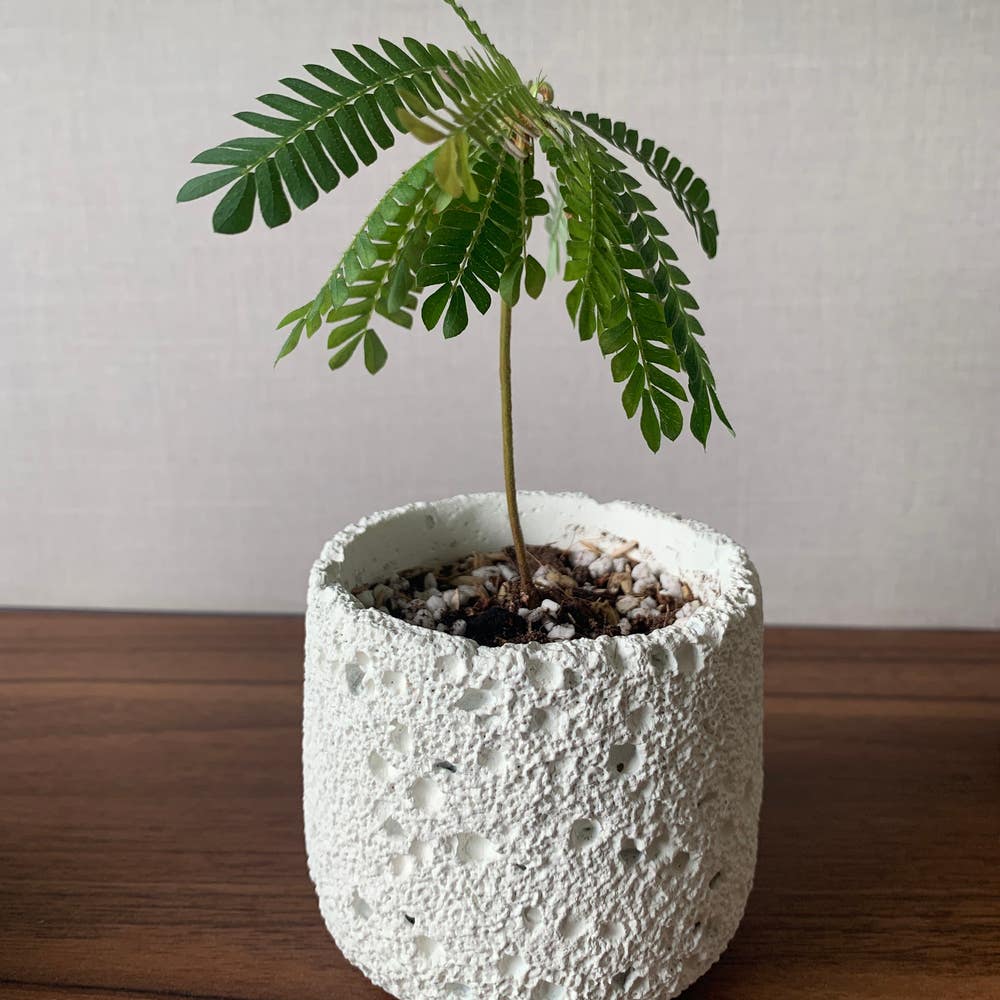
Propagating Your Little Tree Plant: Step-by-Step Guide
Biophytum sensitivum
By the Greg Editorial Team
Mar 09, 2024•5 min read
This article was created with the help of AI so we can cover more plants for you. May contain errors. See one? Report it here.
- Choose a 4-6 inch stem with leaf nodes for successful stem cuttings.
- Air layering needs moisture and security for roots to grow on the branch.
- Ideal environment: 85% humidity, 75-80°F, and bright, indirect light.
Choosing Your Propagation Adventure
🌱 Stem Cuttings
Selecting the perfect stem for cutting is like picking the best player for your team. Go for a stem that's just right—not too woody, not too tender, and definitely not showing any signs of distress. Aim for a length of 4-6 inches, and make sure it has several leaf nodes, those little bumps where roots and leaves will emerge.
Prepping your stem cuttings for success
Once you've got your MVP stem, it's time to prep it for the big leagues. Strip off the lower leaves to avoid rot and leave a couple at the top for photosynthesis. Let the cutting callous over for a few days—think of it as a brief huddle before the game starts.
Rooting hormone: Is it the growth hack you need?
Rooting hormone isn't mandatory, but it's like that extra boost in the gym; it can help your cuttings develop roots faster. Dip the cut end into the hormone before planting, and you might just see quicker results.
✨ Air Layering
Air layering is the cool, less mainstream cousin of stem cuttings. It's a bit like a magic trick, where you encourage roots to grow while the branch is still attached to the plant.
The lowdown on air layering your Little Tree Plant
Choose a strong, healthy branch, and strip away leaves from a 2-4 inch section. Wrap it with moist sphagnum moss and cover it with plastic to create a mini greenhouse. This is where the roots will sprout, all while still being part of the mother plant.
Encouraging roots in mid-air: How to secure and maintain your air layer
Securing your air layer properly is crucial—it's the difference between a standing ovation and a faceplant. Use ties or tape to keep the moss in place and check periodically to ensure it stays humid. Once you see a healthy network of roots through the plastic, it's time to cut the branch off and pot it.
Setting the Stage for Propagation
🌱 The Perfect Environment
Creating the ideal environment for propagation is like setting up a backstage for your plant's debut performance.
💦 Humidity
Aim for a humidity level that makes a tropical rainforest nod in approval—around 85%. But keep it less sauna, more misty morning.
🌡️ Warmth
The temperature should be a cozy 75° to 80°F. Think of it as a spring day every day, for your plant babies.
💡 Light
Bright, indirect light is the sweet spot. If the sun's a no-show, full-spectrum bulbs can take center stage, positioned about 12-24 inches away.
🌱 Aftercare Essentials
Aftercare is like the VIP treatment for your young plants post-propagation.
💧 Moisture
Water should mimic a wrung-out sponge—moist, not drenched. Overwatering is the equivalent of a stage dive gone wrong.
🌡️ Temperature Tips
Keep the temperature steady—no sudden drops or spikes. It's the consistent rhythm that keeps the growth dance going.
💡 Light
Ensure the light is bright but indirect, like a spotlight that's just right. Too much direct sun and your cuttings will wither under the harsh glare.
💨 Airflow
Good airflow is the unsung hero, preventing the air from becoming stagnant. It's like having a good bouncer at the door, keeping trouble (disease) out.
Potting Like a Pro
🌱 Transition Time
After your Little Tree Plant cuttings have sprouted robust roots, it's time for their big move. Wait until roots are a couple of inches long—this is their ticket to a new pot. Use a gentle touch to transfer them, avoiding any root damage. A small pot is your best bet, as it reduces the risk of overwatering and gives your plant a cozy space to continue growing.
🌱 Soil Selection
Choosing the right soil mix is like picking the perfect mattress for a good night's sleep—it's crucial. Go for a well-draining mix that's light and airy, allowing roots to breathe and water to flow through easily. Avoid soil that's too dense; think of it as a fluffy cloud rather than a wet blanket. Remember, the right soil mix sets the stage for a thriving Little Tree Plant.
Growing Up: Post-Propagation Care
🌱 Acclimation
After the excitement of propagation, acclimation is your plant's next big step. Think of it as your plant's freshman year at college—new surroundings, new challenges. Start by placing your propagated Little Tree Plant in a bright spot with indirect sunlight. Direct sun is a no-no; you don't want a sunburned plant on your conscience. Rotate the pot periodically to prevent your plant from developing a lean like the Tower of Pisa.
🛠 Troubleshooting
When it comes to troubleshooting, vigilance is your best weapon. Keep a watchful eye for signs of distress such as wilting, yellowing, or the dreaded black spots. If you spot trouble, don't hit the panic button—adjust the watering schedule and lighting first. Remember, these plants aren't trying to give you a hard time; they're just trying to survive the equivalent of their plant puberty.
Pruning isn't just a vanity project; it's like giving your plant a health check-up. Snip off any leggy stems to encourage a fuller look and remove any dead or yellowing leaves to prevent disease spread. And pests? They're the uninvited party crashers. Be on the lookout for aphids, mealybugs, and the like. If you find any, it's time to show them the door, preferably with an organic pest control method.
In the end, remember that every mishap is a chance to level up your green thumb game. So, embrace the challenges and keep your sense of humor—your plant is counting on you.
⚠️ Safety First
This content is for general information and may contain errors, omissions, or outdated details. It is not medical, veterinary advice, or an endorsement of therapeutic claims.
Always consult a qualified healthcare professional before using any plant as food, medicine, or supplement.
Never eat any plant (or feed one to pets) without confirming its identity with at least two trusted sources.
If you suspect poisoning, call Poison Control (800) 222-1222, the Pet Poison Helpline (800) 213-6680, or your local emergency service immediately.
Spotted an error? Please report it here.
Propagate your little tree plant into a thriving grove 🌱 with ease, using Greg's tailored reminders for watering and care from this step-by-step guide!