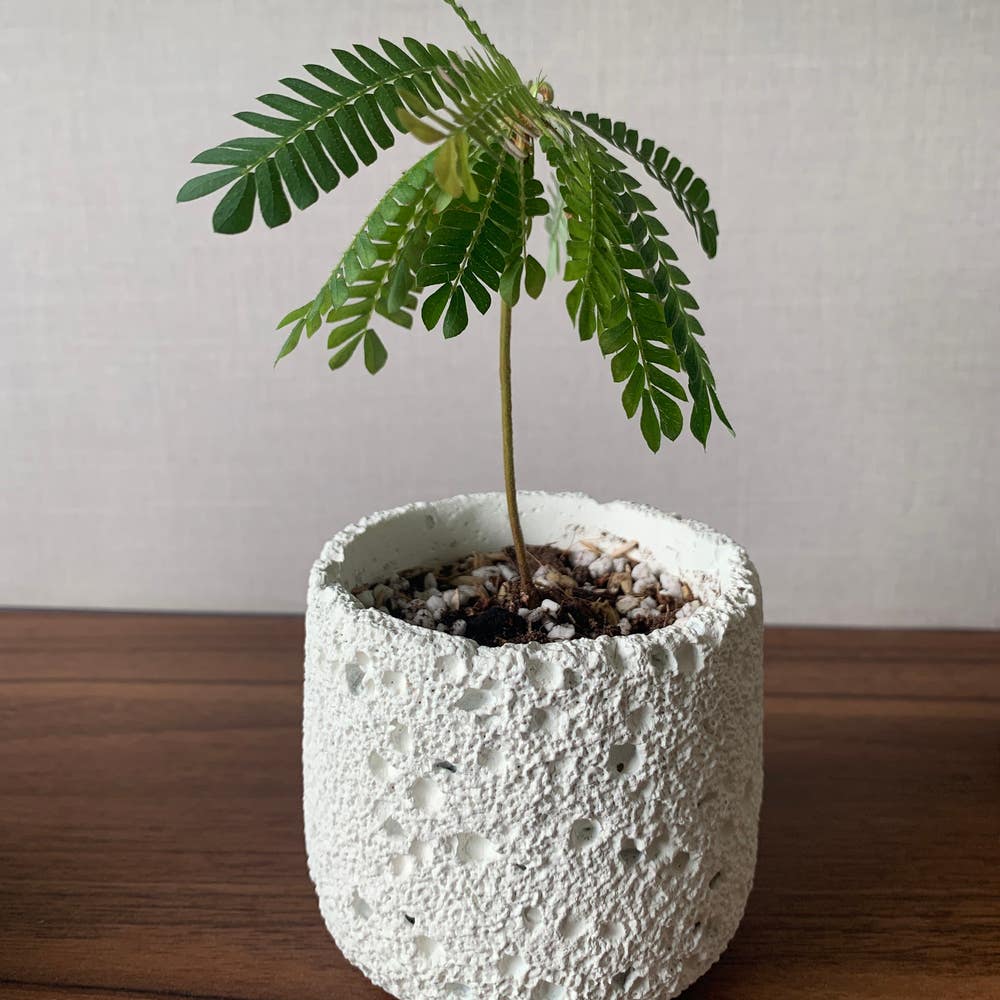
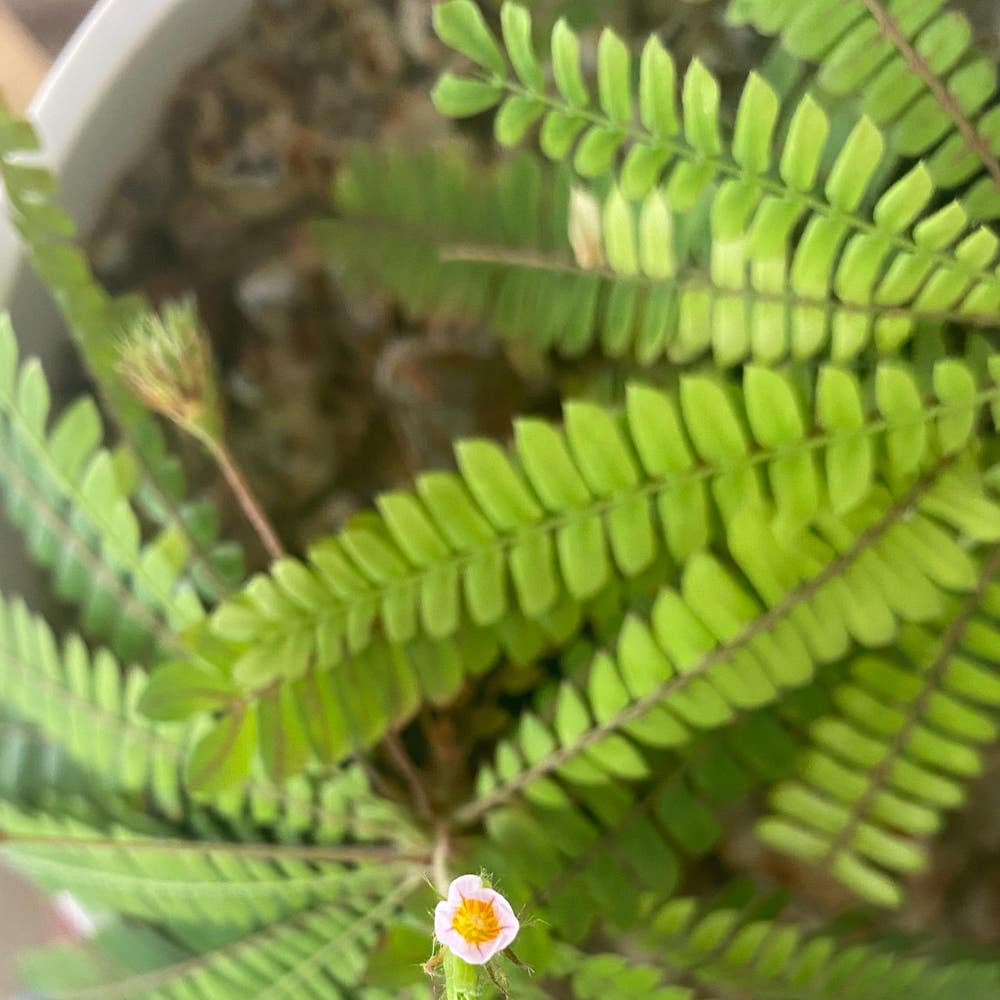
Why Are There Brown Spots on My Little Tree Plant Leaves?
Biophytum sensitivum
By the Greg Editorial Team
Mar 09, 2024•4 min read
This article was created with the help of AI so we can cover more plants for you. May contain errors. See one? Report it here.
- Over/underwatering and tap water minerals can cause brown spots; use filtered water.
- Fungal infections and pests also lead to spots; promote dry leaves and airflow.
- Well-draining soil and proper light prevent spots; choose the right pot and soil.
Spotting the Trouble: Common Causes of Brown Spots
💧 Water Woes: Over and Underwatering
Overwatering and underwatering can turn your Little Tree Plant into a brown spot gallery. Leaves with soft, dark spots are crying out from too much H2O. Conversely, dry, brittle patches are the plant's SOS for more water.
Tap water can be a silent killer with its mineral buildup. Consider filtered water to prevent those unsightly mineral deposits.
🍄 Fungal Foes: Battling Brown Spots from Infections
Fungal infections love a damp leaf party. Look for spots with a pattern or yellow-ringed bullseyes. These are the fungal calling cards on your plant's foliage.
Airflow is your ally. It's like a bouncer at the leaf's edge, keeping the fungal crashers from leaving their mark. Keep the leaves dry and the air moving.
🐜 Unwanted Guests: Pests that Cause Brown Spots
Pests are the ninjas of the plant world, often invisible until the damage is done. Sticky residue or fine webbing? That's their graffiti.
Isolation is key. If you spot these troublemakers, quarantine your Little Tree Plant faster than you'd swipe left on a bad dating profile. Then, it's time for pest control patrol.
Turning Over a New Leaf: Fixing the Brown Spot Blues
💧 Watering Wisdom: Rescuing Your Plant from H2O Harm
Watering your Little Tree Plant is like a Goldilocks challenge: not too much, not too little, just right. Check the soil before watering; if it's dry two inches down, it's time to water.
Adjust your watering habits with the seasons—plants drink less in the cooler months. Use early morning watering to let leaves dry out, which helps prevent fungal growth.
🌱 The role of well-draining soil in safeguarding against water-related spots
Well-draining soil is your plant's best friend. It prevents water from pooling at the roots, which can lead to brown spots. Consider a mix with perlite or sand to improve drainage.
🍄 Fungicide to the Rescue: Treating Fungal Infections
When brown spots scream "fungus among us," it's time for fungicides. Apply them as directed, focusing on affected areas to nip infections in the bud.
For a chemical-free approach, try natural alternatives like neem oil or a baking soda mixture. They can be effective without the harsh side effects.
🐜 Pest Control Patrol: Keeping the Bugs at Bay
When it comes to pests, you've got choices: natural remedies like insecticidal soap or chemical pesticides. Weigh the pros and cons for your Little Tree Plant's health and your peace of mind.
Plant hygiene matters. Regularly clean leaves and prune damaged areas to keep pests at bay. It's like giving your plant a fighting chance against the creepy crawlies.
Pro Tips: Preventing Brown Spots Before They Start
🌞 Location, Location, Location: Setting Up for Success
Bright, indirect light is your Little Tree Plant's best friend. Too much sun can cook the leaves, while too little leaves them craving more. Strike that perfect balance to keep those leaves blemish-free.
Consistent airflow is like a secret weapon against brown spots. It keeps the air around your plant moving, preventing moisture from overstaying its welcome. Think of it as giving your plant its own personal bubble.
🍽️ The Right Stuff: Soil and Pot Essentials
Well-draining soil is non-negotiable. It's the cozy bed where roots can relax without drowning. Make sure your pot has drainage holes to let excess water escape.
Pot size matters. Too big, and you risk waterlogging; too small, and your plant's roots will be cramped. Choose a pot that's just right for your Little Tree Plant's current size.
Regular soil testing can prevent nutrient deficiencies. It's like a health check-up for your plant's home. Amend and fertilize based on the test results to keep your Little Tree Plant thriving.
Pruning isn't just for aesthetics. It's about health. Snip off any sad leaves to prevent disease spread and improve airflow. Think of it as preventative medicine for your plant.
Remember, watering is an art. Check the soil before giving your plant a drink. Aim for moist, not soggy, and adjust your watering schedule as needed to prevent those dreaded brown spots.
⚠️ Safety First
This content is for general information and may contain errors, omissions, or outdated details. It is not medical, veterinary advice, or an endorsement of therapeutic claims.
Always consult a qualified healthcare professional before using any plant as food, medicine, or supplement.
Never eat any plant (or feed one to pets) without confirming its identity with at least two trusted sources.
If you suspect poisoning, call Poison Control (800) 222-1222, the Pet Poison Helpline (800) 213-6680, or your local emergency service immediately.
Spotted an error? Please report it here.
Eradicate brown spots 🎯 on your plant leaves with Greg's precise watering schedules and expert community tips, ensuring your little tree plant stays spotless and healthy!