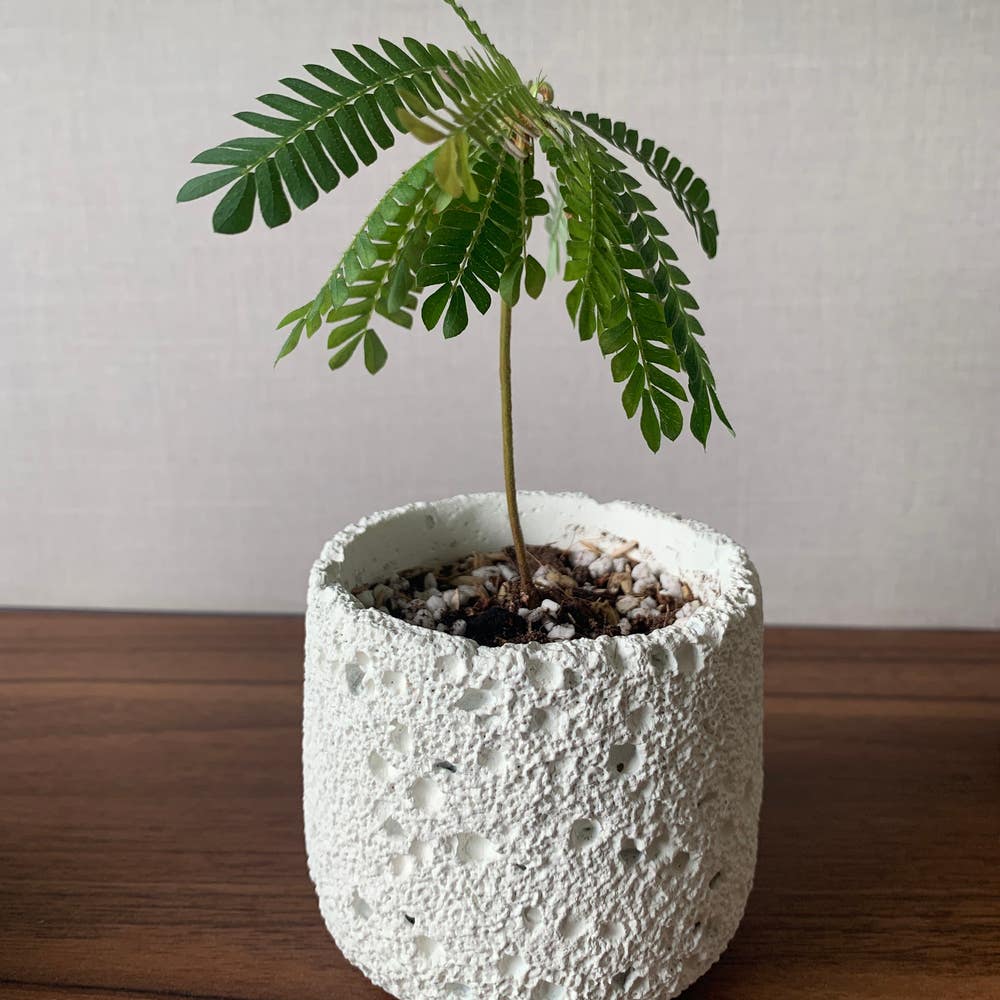
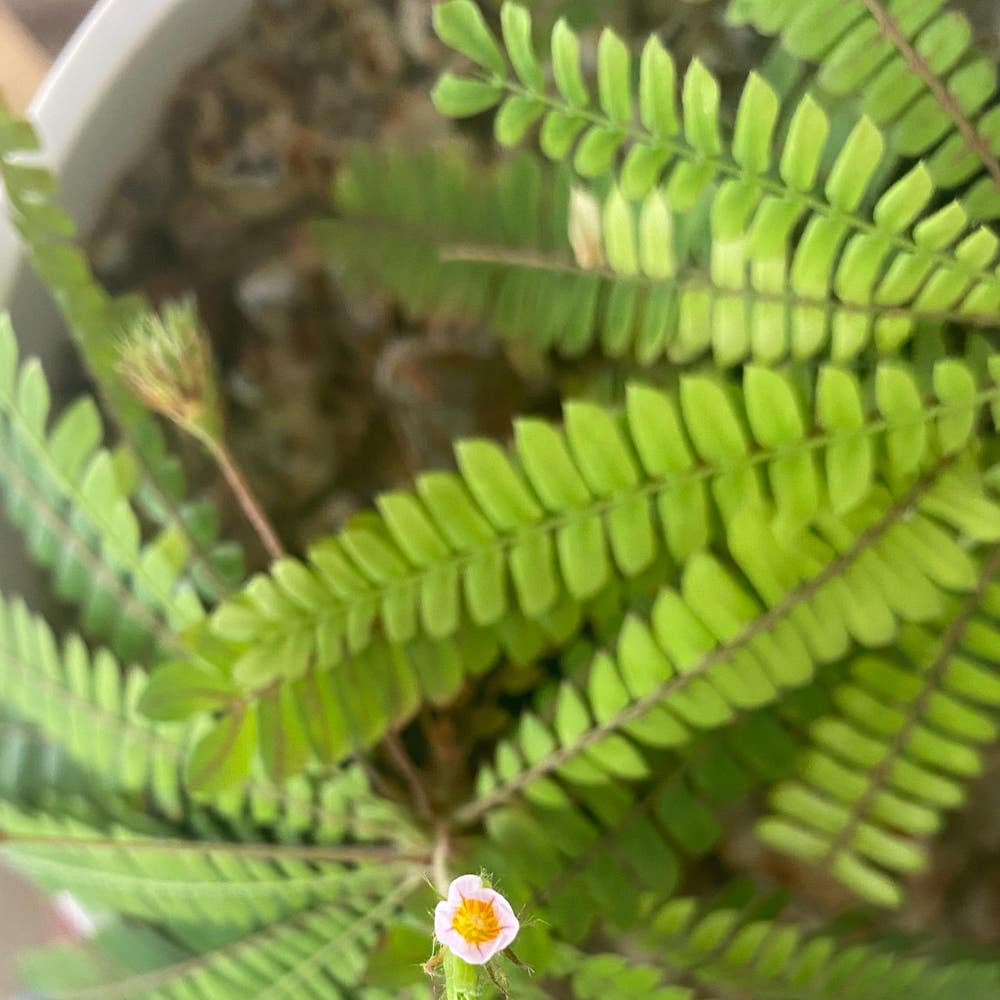
How to Fertilize Your Little Tree Plant
Biophytum sensitivum
By the Greg Editorial Team
Mar 09, 2024•4 min read
This article was created with the help of AI so we can cover more plants for you. May contain errors. See one? Report it here.
- N-P-K ratio matters: Higher phosphorus for more blooms.
- Time fertilizing right: Boost phosphorus pre-bloom, gentle care post-bloom.
- Avoid over-fertilization: Spot signs, rescue with water flush and trimming.
Choosing the Right Fertilizer for Your Little Tree Plant
💧 Organic vs. Synthetic: Which is Best for Blooms?
Organic fertilizers are the slow-release, steady-eddy of plant nutrition, nurturing soil health and gradually feeding your Little Tree Plant. Synthetic fertilizers, on the flip side, are the sprinters, providing a rapid nutrient hit. Your choice? It hinges on whether you're playing the long game or looking for quick results.
🌿 The N-P-K Ratio: Understanding the Balance for Flowering
The N-P-K ratio is like your plant's dietary plan, and getting it right is crucial for those coveted blooms. Nitrogen (N) is all about foliage, while phosphorus (P) is the bloom booster, and potassium (K) keeps your plant fighting fit. Aim for a lower N and higher P and K ratio to encourage flowers over leaves.
🌸 Specialized Bloom Boosters: Are They Worth It?
Specialized bloom boosters are the VIP treatment for your Little Tree Plant, tailored to turn buds into blossoms. But are they worth the splurge? If you're serious about a floral spectacle, investing in a bloom-specific fertilizer can be the game-changer your green thumb has been looking for.
Timing is Everything: When to Fertilize for Optimal Blooms
🌱 Growing Season Fertilizing: Laying the Foundation for Flowers
Spring's arrival is your cue to start fertilizing. It's like setting the stage for your Little Tree Plant's big number. Begin with a balanced fertilizer to wake up the roots and prep for upcoming growth.
🌸 Pre-Bloom Prep: Adjusting Your Fertilization Schedule
As buds hint at their imminent debut, it's time to shift gears. Boost the phosphorus to encourage those blooms. Think of it as giving your plant a backstage pep talk before the show.
🌼 Post-Bloom Care: Fertilization Do's and Don'ts
After the floral fanfare, dial it back. A gentle, post-bloom feed can help your plant recoup and prep for the next season. But remember, overdoing it is like feeding your plant a sugar rush—tempting but potentially disastrous.
The Art of Fertilizing: Techniques for a Flourishing Little Tree Plant
💧 Mixing and Diluting: Getting the Concentration Right
Half-strength is the golden rule when mixing liquid fertilizer. This isn't a suggestion; it's a safeguard against root burn and ensures a gentle nutrient uptake. For granular types, sprinkle then douse—think of it as a soak, not a flood.
🌱 Application Methods: Ensuring Even Distribution
Apply fertilizer at the base of your Little Tree Plant, targeting the roots while sparing the leaves from potential damage. Soil application is straightforward—like watering with perks. Ensure even distribution to avoid concentrated pockets that could harm the plant.
🔄 Fertilizer Frequency: How Much is Too Much?
Biweekly applications during the growing season are a good starting point. But watch your plant's response like it's the season finale of your favorite show. If it's thriving, keep the rhythm; if it's lagging or showing signs of distress, pull back. It's about finesse, not force.
Recognizing and Fixing Over-Fertilization
🌱 Spotting the Tell-Tale Signs: From Leaf Burn to Stunted Growth
Overzealous fertilization can leave your Little Tree Plant looking less than little. Leaf burn is your first clue; browning at the tips and edges screams "I'm full!" If the roots are brown or black and the soil feels like a wet sponge, you've overdone it. Stunted growth? That's your plant on a nutrient overdose. And if you spot a white, salty crust on the soil, that's the fertilizer equivalent of a bad hangover.
🛠️ Quick Fixes: How to Rescue an Over-Fertilized Plant
Caught in the act of over-fertilization? Time to go into damage control. Remove any visible fertilizer from the soil's surface; it's like taking away the empty calorie snacks. Next, give your plant a good flush—water it like there's no tomorrow to dilute those excess nutrients. Repeat this every few days, but don't drown it in your eagerness to help. If the leaves look like they've been through a war, trim the casualties. Consider a soil transplant for potted plants; it's like moving them to a rehab facility. Hold off on the nutrient boosters until your plant's back to its perky self. Remember, patience is key; your Little Tree Plant won't bounce back overnight.
⚠️ Safety First
This content is for general information and may contain errors, omissions, or outdated details. It is not medical, veterinary advice, or an endorsement of therapeutic claims.
Always consult a qualified healthcare professional before using any plant as food, medicine, or supplement.
Never eat any plant (or feed one to pets) without confirming its identity with at least two trusted sources.
If you suspect poisoning, call Poison Control (800) 222-1222, the Pet Poison Helpline (800) 213-6680, or your local emergency service immediately.
Spotted an error? Please report it here.
Nurture your little tree plant to its fullest potential by following a custom fertilizing schedule 📅 with Greg, ensuring blooms and health without the guesswork.