How Do I Cure Little Tree Plant Root Rot?
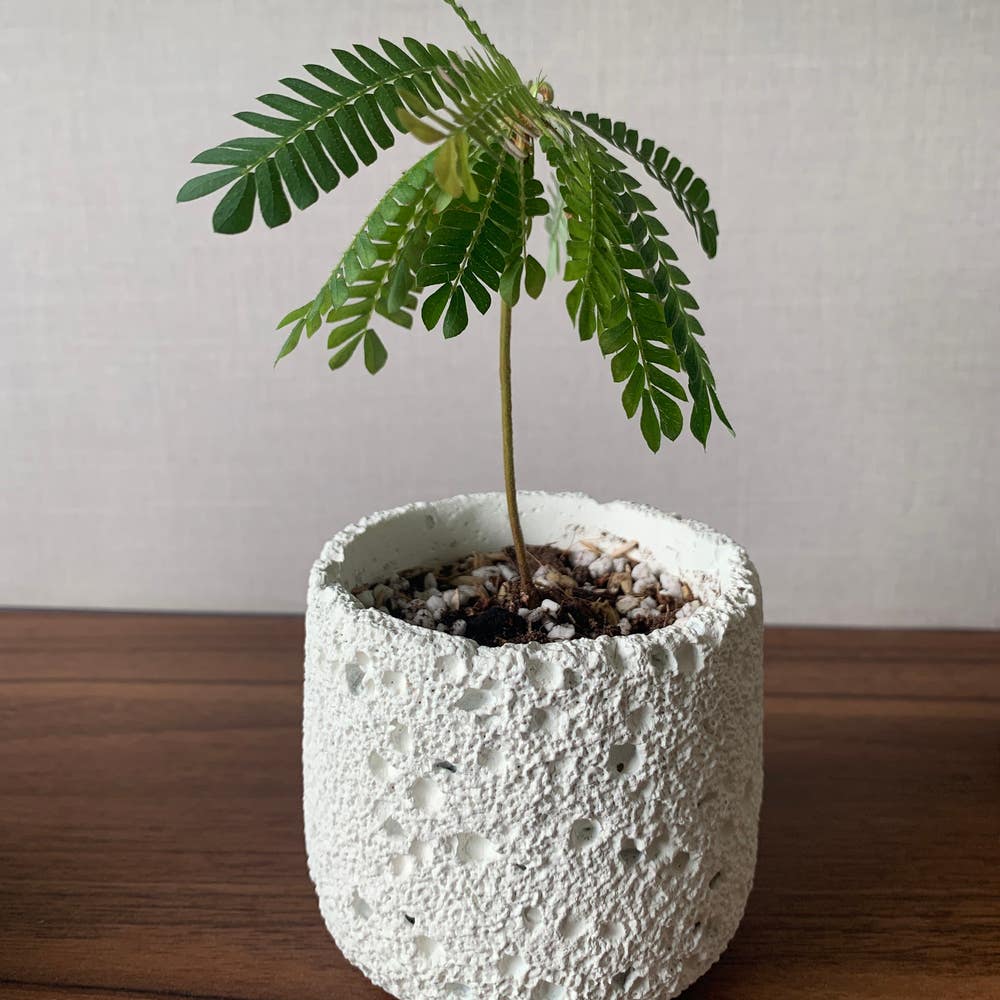
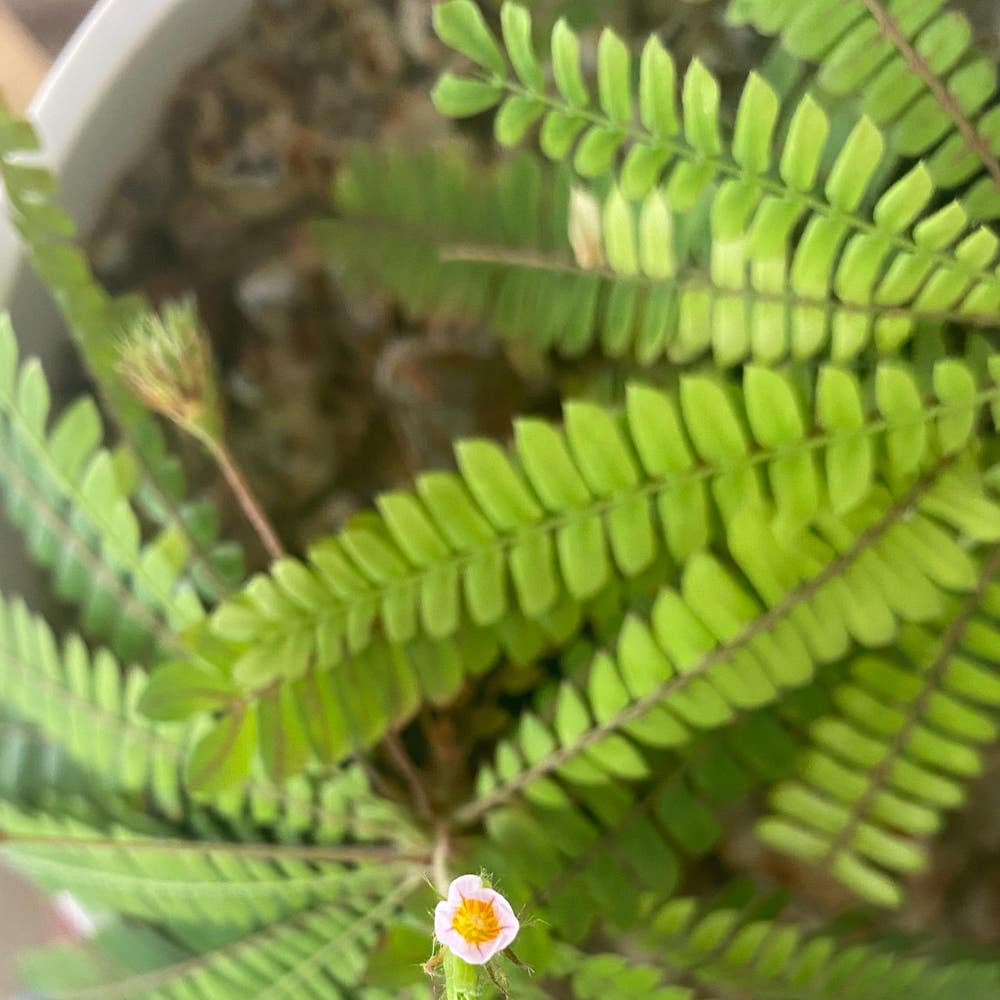
Biophytum sensitivum
By the Greg Editorial Team
Mar 09, 2024•6 min read
This article was created with the help of AI so we can cover more plants for you. May contain errors. See one? Report it here.
- Yellow leaves, wilting, bad odor indicate root rot.
- Trim damaged roots, repot with well-draining soil and proper drainage.
- Prevent with consistent watering and environmental adjustments.
Spotting the Red Flags: Symptoms of Root Rot
🚨 Recognizing Distress Signals
Yellowing leaves and wilting are not just your Little Tree Plant being dramatic; they're distress signals. Stunted growth? Your plant isn't slacking off; it's a sign of root rot.
🕵️♂️ The Root Inspection
Time to play plant detective. Gently unearth the roots and look for the bad guys: brown, black, or mushy roots are the culprits. A healthy root should look more like a fresh carrot, not an overcooked noodle.
👃 Foul Odors: The Unseen Warning
Don't trust your eyes alone; use your nose. A foul smell from the soil is like a smoke alarm for root health. It's not just bad soil—it's a clear signal of decay.
👀 Visual Clues: Beyond the Surface
Surface calm can be deceptive. If the leaves are yellowing and the plant has a general vibe of despair, it's time to get to the root of the problem. Literally.
🌊 Confirming the Diagnosis
To check soil moisture, think of the soil as a mood ring for your plant's health. If it's waterlogged, your watering habits might need an intervention. Remember, a sniff test can reveal a lot; a foul odor is a distress signal from your plant's roots.
Root Rot First Aid: Immediate Treatment Actions
🚑 Emergency Extraction
Gently remove your Little Tree Plant from its pot as if it's a ticking time bomb. Carefully shake off the soil to reveal the roots, like uncovering the truth in a mystery novel.
🏥 Surgical Precision
With sterilized scissors, channel your inner plant surgeon and trim the damaged roots. Keep only the healthy, white roots, discarding the mushy, brown ones as if they're bad habits.
🛌 Post-op Care
Now, think of the perfect home for recovery. Select a pot that's just right, with ample drainage holes to prevent future waterlogging. Fill it with fresh, well-draining soil, making it a fluffy cloud for your plant's roots.
Choosing the Right Soil
Mix in some perlite or coarse sand to keep the soil airy. It should support growth without suffocating the roots, like a good friend who knows when to give space.
Home for Recovery
Place your plant in its new pot with the care of a nurse tucking in a patient. Water sparingly, allowing the soil to dry out before the next watering, like a cautious sip of water after a stomach flu. Monitor your plant's recovery closely, adjusting care as needed, because now, you're not just a plant owner—you're a plant healer.
Water Wisdom: Balancing Moisture to Avoid Root Rot
💧 Nailing the Watering Schedule
Consistency is key when it comes to watering. Wait until the top inch of soil is dry before watering again. This simple touch-test bypasses the guesswork and keeps your Little Tree Plant from drowning in excess love.
🚰 Pots and Drainage
Drainage holes are your plant's lifeline. They're the escape route for excess water, preventing a pool party at the bottom of your pot. Pair this with well-draining soil and you've got a solid defense against the dreaded root rot.
🛠 Utilizing Tools
A moisture meter isn't just a fancy gadget—it's your secret weapon. It tells you exactly when your plant needs water, taking the mystery out of moisture levels. If tech isn't your thing, the classic finger test works wonders too.
🌦 Seasonal Adjustments
Your plant's thirst changes with the seasons. It might guzzle water in the summer heat but barely sip during the winter chill. Adjust your watering rhythm with the weather, and you'll keep those roots happy.
🌱 Soil's Signals
Adopt the "soak and dry" method. Water deeply, then let the soil dry out a bit before the next round. This mimics natural rainfall, encouraging strong and healthy roots.
🏺 Pot Perfection
Choose a pot that's a friend to roots. Materials like terracotta wick away moisture, helping prevent overwatering mishaps. A well-aerated soil lets water and air mingle without getting too clingy, promoting a breathable environment for your plant's roots.
Shielding Your Little Tree Plant: Long-Term Prevention Tactics
💧 Soil Savvy: Crafting the Perfect Mix
Well-draining soil isn't just a preference; it's a necessity for your Little Tree Plant. Mix in perlite or sand to keep the roots happy and breathing easy. Annual soil refreshes are like hitting the reset button for your plant's underground world.
🌿 Environmental Checks: The Trifecta of Plant Health
Temperature, humidity, and airflow—master these elements, and you're on your way to plant-parenting stardom. Keep the air moving; stagnant air is the enemy of healthy roots. A fan or an open window can work wonders, just don't create a mini tornado.
💦 Humidity: Crafting a Mini Spa
If your home's air is drier than a stand-up comedian's wit, it's time to up the humidity. A pebble tray or regular misting can make a world of difference. Think of it as creating a personal sauna for your plant.
🌡️ Temperature: Keeping It Just Right
Shade can be a plant's best friend during a heatwave, but don't leave your green buddy in the dark. Balance is key. Protect it from frost with a cozy burlap wrap, but don't overdo it; we're not prepping for a polar expedition.
💨 Airflow: The Breath of Life
Good air circulation is crucial. It's like giving your plant room to breathe. Keep your tools and the surrounding area clean to prevent any unwanted plant diseases from crashing the party.
💦 Water Wisdom: The Art of Hydration
Adjust your watering schedule to the beat of your plant's needs, not the dance of your routine. Use a moisture meter or the classic finger test to avoid overwatering. Think of water as the plant's favorite drink—you wouldn't want it to go thirsty, but you also wouldn't want it to drown.
🌱 Pots and Drainage: The Unsung Heroes
Ensure your pot has drainage holes. It's a simple step, but it's like giving your plant a safety net. No one likes wet feet, especially not your Little Tree Plant.
👀 Vigilance: The Plant Whisperer's Creed
Regular checks and tweaks to your plant's environment are like the daily vitamins of plant care. Keep an eye out for subtle changes in leaf texture or color, and act swiftly. Early intervention can turn a potential disaster into a mere hiccup.
🍂 Mulching: A Blanket for Your Plant's Toes
A layer of mulch can help maintain moisture levels and protect against temperature extremes. Apply it like a blanket, cozy but not smothering. Remember, too much of a good thing can lead to trouble, so keep it away from the stem to avoid those dreaded wet socks.
🛡️ Final Touches: The Shield Against Extremes
When the weather throws a curveball, be ready to move your potted plant to a sheltered spot. It's like giving your plant a heads-up before the storm hits. And during those scorching summer days, a shade cloth can prevent leaf scorching like a well-placed umbrella.
By embracing these long-term prevention tactics, you're not just caring for your Little Tree Plant; you're setting it up for a lifetime of lush growth. Remember, a little effort goes a long way in the world of plant care.
⚠️ Safety First
This content is for general information and may contain errors, omissions, or outdated details. It is not medical, veterinary advice, or an endorsement of therapeutic claims.
Always consult a qualified healthcare professional before using any plant as food, medicine, or supplement.
Never eat any plant (or feed one to pets) without confirming its identity with at least two trusted sources.
If you suspect poisoning, call Poison Control (800) 222-1222, the Pet Poison Helpline (800) 213-6680, or your local emergency service immediately.
Spotted an error? Please report it here.
Prevent root rot and ensure your little tree plant thrives by letting Greg customize 🛠 your watering plan to avoid waterlogged soil and promote healthy growth.