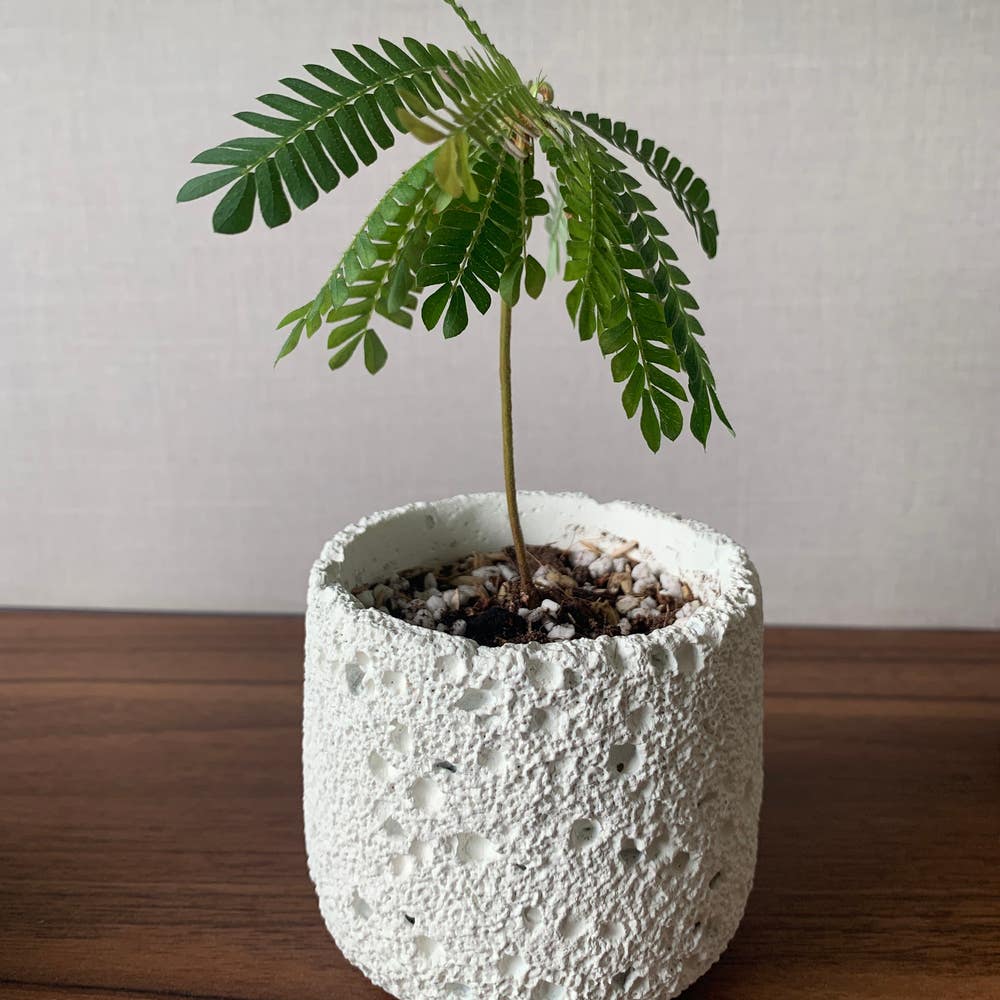
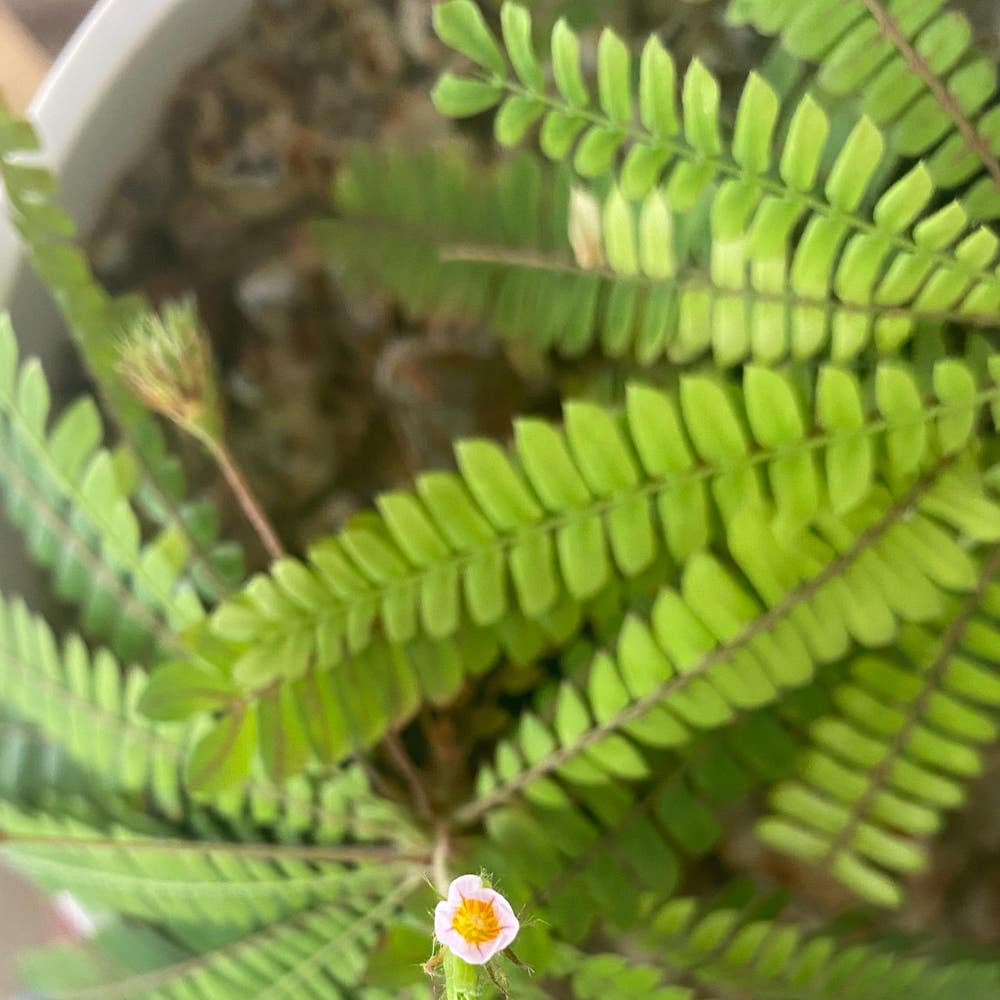
Why Are My Little Tree Plant Leaves Dropping? 🌳
Biophytum sensitivum
By the Greg Editorial Team
Mar 09, 2024•4 min read
This article was created with the help of AI so we can cover more plants for you. May contain errors. See one? Report it here.
- Overwatering and underwatering both lead to leaf drop; balance is key.
- Bright, indirect light and stable temperatures are crucial for Little Tree Plants.
- Nutrient balance is essential; use a balanced fertilizer to prevent deficiencies.
When Too Much Love Leads to Leaf Loss: Overwatering
🚱 Spotting the Signs of Overwatering
Yellow, limp leaves are warning flags; they're not auditioning for a salad. Soggy soil is a telltale sign your plant's roots are throwing a white flag. If the soil smells like a forgotten gym locker, it's time for an intervention.
🏊♂️ Saving Your Plant from Drowning
First, stop watering; give your plant's roots a break from their unintended swim. If the pot's as wet as a drowned rat, consider repotting with fresh, dry soil. Trim any roots that look more like mush than firm, healthy tendrils.
💧 Watering Wisdom
Water only when the top inch of soil feels dry—like a day-old bagel, not a fresh one. Ensure your pot has drainage holes; they're your plant's life jacket. Moderation is key; love your plant, but don't water it like it's the only plant left on earth.
Parched Plants: The Underwatering Problem
🏜️ The Thirsty Telltales
Dry, brittle leaves are the silent alarms of underwatering. If your Little Tree Plant's foliage resembles potato chips, it's time to reassess your watering habits. The soil should not feel like a dry desert; if it crumbles at a touch, your plant is shouting for hydration.
💧 Quenching the Thirst
Slow and steady wins the race when rehydrating your plant. Imagine giving it a refreshing shower, not a flood. Water should reach the roots without leaving the plant swimming in excess. If the leaves perk up quickly after watering, you've hit the sweet spot.
📅 Setting a Watering Schedule
Consistency is key. Create a watering schedule that's more reliable than your morning alarm. Adjust for the seasons—plants may need more frequent watering during hot spells. Remember, the weight of the pot is a good indicator; a light pot usually means thirsty soil.
Light Levels: Finding the Sweet Spot
🌞 Too Much Sun or Not Enough?
Little Tree Plants have a Goldilocks zone for light—they can't handle too much or too little. Bright, indirect light is their jam. Direct sunlight can lead to a crispy disaster, while insufficient light will have your plant stretching out like it's trying to snag the remote from across the room.
🌅 Adjusting Your Plant's Tan Lines
To prevent your Little Tree Plant from looking like it's been on a sunbed binge or living in a cave, relocate it to a spot that's just right. East or west-facing windows usually hit the mark. If you're dealing with light that's too intense, think of sheer curtains as your plant's SPF. Too dim? Time to scoot your green buddy closer to the light source. And remember, the sun's position changes with the seasons, so stay on your toes and adjust accordingly. A light meter can be your best friend here—no guesswork, just cold, hard lux readings.
Weathering the Storm: Temperature and Humidity
🌡️ Feeling the Heat (or the Chill)
Leaves dropping like flies? Temperature extremes might be the culprit. Little Tree Plants are no fans of the sauna or the icebox; they prefer a steady climate. Too hot, and they start shedding leaves faster than a dog in summer. Too cold, and the leaves might as well wave white flags of surrender.
💧 Humidity: The Invisible Thirst
Humidity is like an unseen nutrient, and your Little Tree Plant craves it. Aim for a 60-80% humidity level—a tropical sweet spot. Fall below that, and you'll witness a leaf-tip browning ceremony. Exceed it, and you're hosting a fungal house party. Keep the air around your plant just moist enough without turning your living room into a swamp.
🌬️ Climate Control Tactics
To combat the indoor climate rollercoaster, monitoring is key. Use a thermostat to keep the temperature consistent—think cozy, not sweltering. If your heating's on full blast, a humidifier or pebble tray can be a game-changer. They're like a plant's personal oasis creators. And remember, grouping plants can create a microclimate—a little neighborhood where they can share moisture and live their best life.
The Silent Hunger: Nutrient Deficiency
🍃 Spotting Nutrient Starvation in Leaves
Yellowing leaves often scream nitrogen deficiency, while stunted growth might point to a lack of phosphorus. If the edges of your Little Tree Plant's leaves look as if they've been toasted, potassium could be the missing guest at the dinner table. Don't overlook the micronutrients; they're like the supporting actors that make or break the show.
🌱 Feeding Frenzy: The Right Way
Choosing fertilizer is akin to selecting the perfect multivitamin. Go for a balanced mix of nitrogen, phosphorus, and potassium—think of it as the plant version of a well-rounded diet. Apply as per the recommended schedule, but stay vigilant. Your plant's feedback is like an ongoing performance review—adjust the dose as needed. Remember, overfeeding is like a nutrient overdose; it's just as harmful as not feeding at all.
⚠️ Safety First
This content is for general information and may contain errors, omissions, or outdated details. It is not medical, veterinary advice, or an endorsement of therapeutic claims.
Always consult a qualified healthcare professional before using any plant as food, medicine, or supplement.
Never eat any plant (or feed one to pets) without confirming its identity with at least two trusted sources.
If you suspect poisoning, call Poison Control (800) 222-1222, the Pet Poison Helpline (800) 213-6680, or your local emergency service immediately.
Spotted an error? Please report it here.
Ensure your Little Tree Plant thrives and keeps its leaves intact 🍃 with Greg's tailored reminders that help you water just right, based on your home's unique environment.