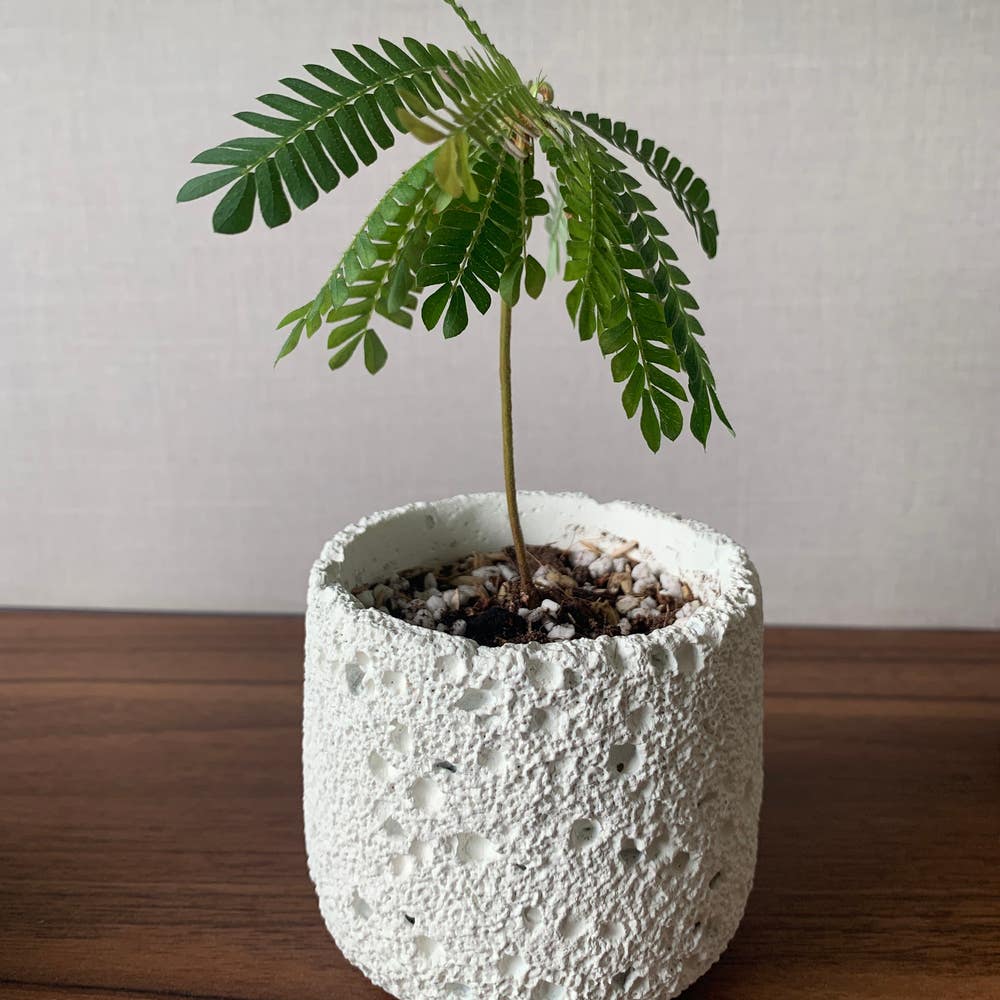
🐞 What Are The Bugs on My Little Tree Plant?
Biophytum sensitivum
By the Greg Editorial Team
Mar 09, 2024•4 min read
This article was created with the help of AI so we can cover more plants for you. May contain errors. See one? Report it here.
- Webbing, bumps, stickiness? Pests might be invading your Little Tree Plant.
- Quarantine and clean to stop pests from spreading and save your plant.
- Combat with neem oil, soap, or alcohol—tailored treatments for each pest.
Spotting the Invaders: Signs of Pest Infestation
🔍 Look for the Evidence
Inspect your Little Tree Plant with the precision of a detective. Webbing on leaves or stems is a red flag for spider mites. If you notice a stippled or speckled appearance on foliage, pests are likely sucking the life out of your plant. Bumps on stems or leaves? You might be dealing with scale insects.
Sticky leaves or a shiny residue on the plant or nearby surfaces is a distress signal. This honeydew can lead to sooty mold or attract ants. It's a clear sign that sap-sucking pests are feasting on your plant.
🚨 Immediate Response
Quarantine your plant the moment you suspect a pest invasion. It's like putting up a "Do Not Disturb" sign that keeps the infestation from spreading to your other green friends.
Start with a gentle cleaning. Wash the leaves with water or a mild soap solution to dislodge pests. Pruning damaged areas can also help contain the outbreak. It's a first strike that can make a big difference.
Meet the Culprits: Common Pests on Little Tree Plant
🕷️ Spider Mites: The Web Weavers
Tiny, but mighty in their destruction, spider mites spin their fine webs on your Little Tree Plant. Look for leaves that appear speckled or have a stippled pattern, a sure sign of their sap-sucking spree. To combat these pests, introduce neem oil or insecticidal soap into your plant care arsenal. These remedies disrupt the mites' nefarious activities without harsh chemicals.
🦟 Scale Insects: The Sticky Foes
Scale insects masquerade as innocuous bumps on your plant, but beneath their waxy exterior, they're feasting on its sap. Spotting them is a matter of keen observation; look for brown spots on stems and leaves. When it comes to eradication, manual removal with a soft cloth can work wonders. For a more thorough approach, treatments with horticultural oil can send these sticky foes packing.
🦟 Fungus Gnats and Fruit Flies: The Soil Dwellers
If you notice tiny insects flitting about your Little Tree Plant or larvae in the soil, you've got fungus gnats or fruit flies. These pests love moist soil, so overwatering is practically an invitation. To tackle them, consider a hydrogen peroxide drench to cleanse the soil. Also, dial back on watering to make the soil less appealing to these uninvited guests.
🐛 Mealybugs: The Cottony Vandals
Mealybugs are the fluffy white troublemakers hiding in the nooks of your plant. They leave a sticky residue and can cause growth to stunt. To show them the exit, dab them with a cotton swab soaked in rubbing alcohol. Alternatively, a spray of water and neem oil or insecticidal soap can help keep these pests under control. Regular inspections are key to catching these cottony vandals before they do lasting damage.
Other Unwanted Guests
🐜 Quick Identifiers
Aphids are small and tend to cluster on new growth, appearing in green or black. Thrips leave silvery streaks and black specks on leaves. Whiteflies, when disturbed, reveal themselves as a cloud of tiny winged insects.
🎯 Targeted Remedies
Aphids dislike a strong water jet or an alcohol-soaked swab. Thrips require persistent neem oil or insecticidal soap sprays. Whiteflies are drawn to yellow sticky traps and are susceptible to neem oil treatments. Encouraging natural predators like ladybugs can provide additional control. Avoid broad-spectrum insecticides that harm these beneficial allies.
Fortifying Your Little Tree Plant: Prevention Tactics
🕵️ Regular Check-ups
Inspect your Little Tree Plant regularly, like it's a high-stakes game of 'I Spy.' Flip leaves and peek into the nooks for any signs of pests. Make it a weekly ritual, or even more frequent if you're feeling particularly protective.
🧼 Clean and Quarantine
Keep your plant's living space spotless. Sterilize tools and pots to cut down on pest hideouts. New plants should be quarantined faster than a suspicious character in a sci-fi flick—don't let them bring any unwanted guests to the party.
🌿 The Right Environment
Craft an environment that pests will snub. Humidity and airflow are your allies; manage them wisely to avoid creating a pest paradise. Water with care, because overwatering is like sending out invites to a bug bash. Keep it balanced to keep them at bay.
⚠️ Safety First
This content is for general information and may contain errors, omissions, or outdated details. It is not medical, veterinary advice, or an endorsement of therapeutic claims.
Always consult a qualified healthcare professional before using any plant as food, medicine, or supplement.
Never eat any plant (or feed one to pets) without confirming its identity with at least two trusted sources.
If you suspect poisoning, call Poison Control (800) 222-1222, the Pet Poison Helpline (800) 213-6680, or your local emergency service immediately.
Spotted an error? Please report it here.
Eradicate pests and keep your little tree plant thriving 🌿 with Greg's personalized care plans that ensure the perfect environment to ward off unwanted critters.