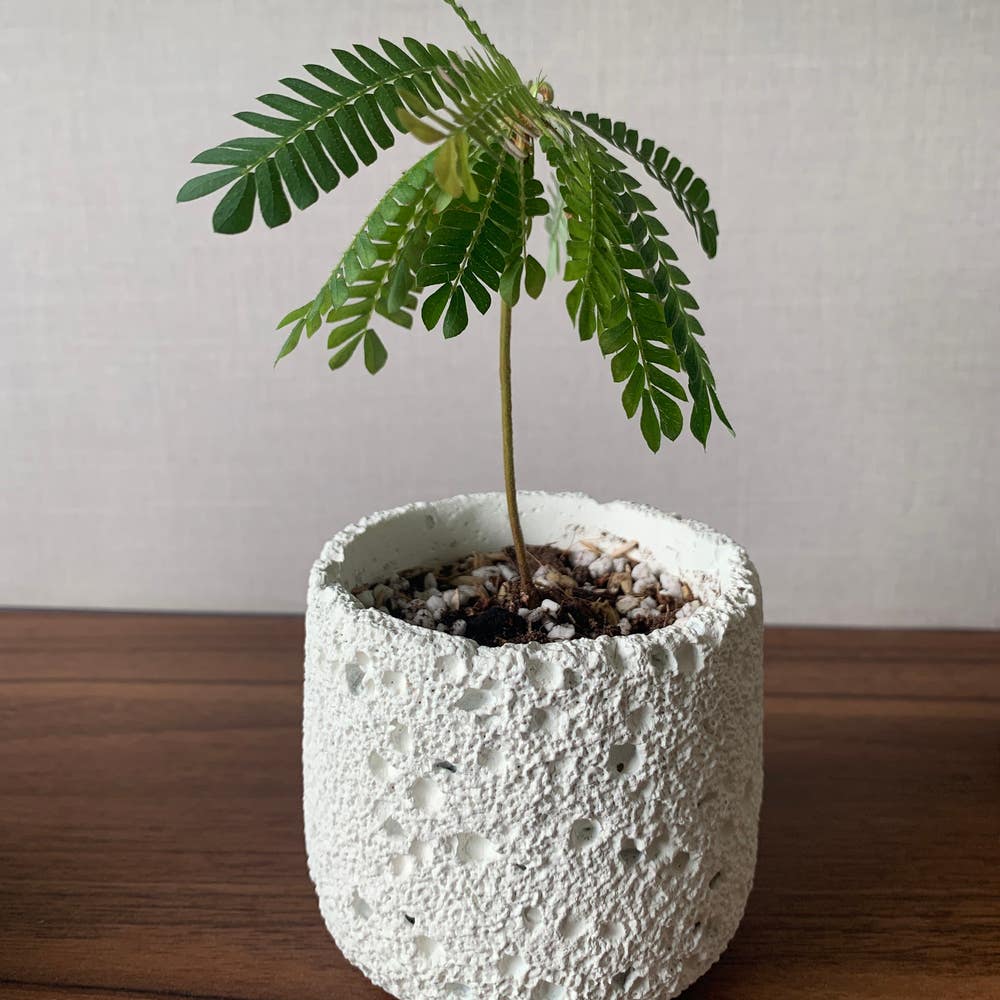
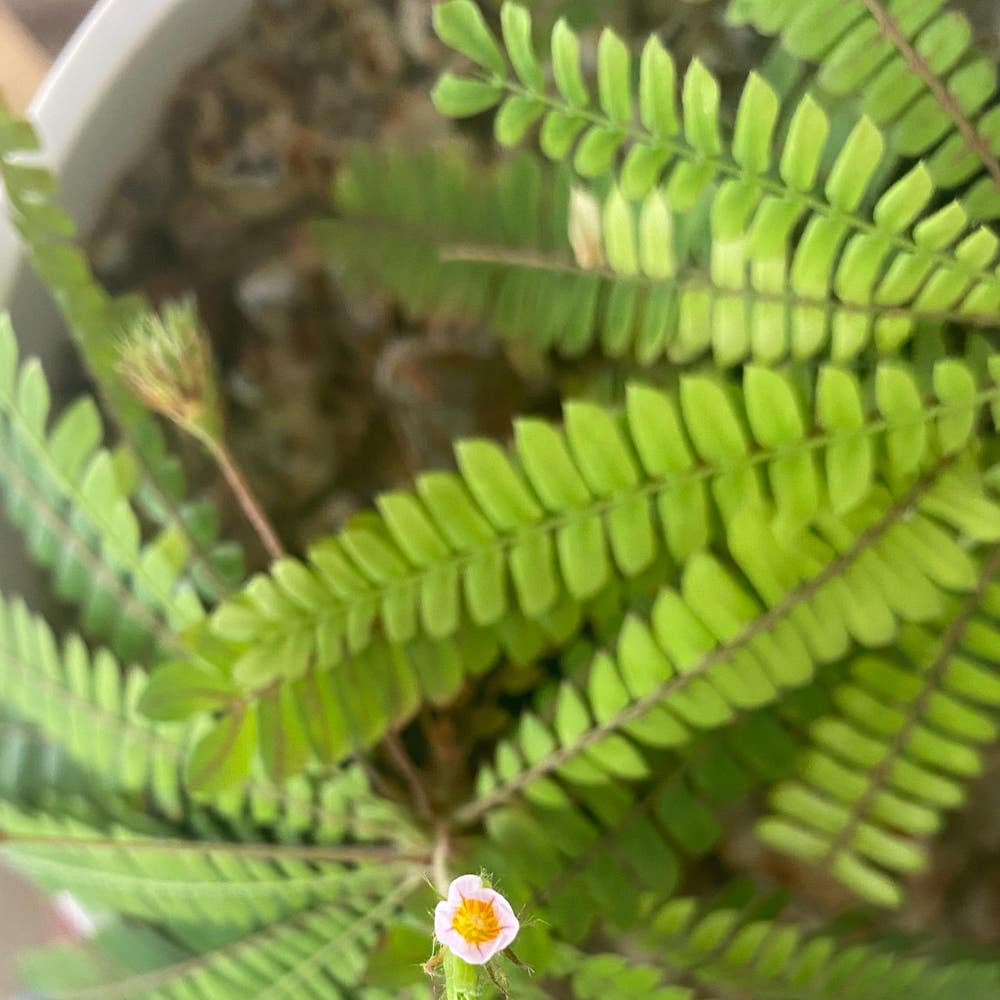
Best Soil for Little Tree Plant
Biophytum sensitivum
By the Greg Editorial Team
Mar 09, 2024•4 min read
This article was created with the help of AI so we can cover more plants for you. May contain errors. See one? Report it here.
- 🌱 Ideal soil mix: perlite, peat moss, and coarse sand for health.
- Store-bought vs. homemade: Custom mixes offer better drainage control.
- Monthly check-ups and annual refreshes keep soil optimal for Little Trees.
Spotting Trouble: When Little Tree Plant Soil Goes Bad
🚨 Telltale Signs of Unhappy Soil
Mold is a no-go for Little Tree Plant soil. It's not just an eyesore; it's a cry for help, signaling too much moisture and not enough air. If you spot a fuzzy intruder or catch a whiff of mustiness, your soil is unhappy. Poor drainage is another culprit, often leaving roots drowning in soggy despair.
🛠 Quick Fixes for Common Soil Problems
Overwatering is a common misstep. Reign in your enthusiasm and let the soil dry out before giving your Little Tree Plant another drink. If mold has moved in, it's time to increase airflow and introduce some sunlight to evict the unwelcome guest. Compacted soil is like tight pants for roots; they need room to breathe. Loosen up the soil with a fork and consider a grittier mix with perlite or coarse sand. Remember, roots are like fish; they need water but also oxygen to survive.
The Perfect Blend: Ideal Soil Mix Ingredients
🌱 Key Components for Little Tree Plant Bliss
Creating the ideal soil mix for your Little Tree Plant is like assembling a dream team of ingredients, each playing a crucial role in your plant's health. Perlite is the MVP for aeration, ensuring your plant's roots can breathe easy. Peat moss is the hydration hero, holding onto moisture like a lifeline for your thirsty plant. And coarse sand? It's the unsung hero that improves drainage, preventing water from overstaying its welcome.
🤔 Why Each Ingredient Matters
Each component of your soil mix serves a purpose. Perlite keeps the soil loose and airy, warding off compaction that can suffocate roots. Peat moss is your water-retention champ, keeping the soil moist but not waterlogged. And coarse sand? It's all about balance, facilitating drainage and preventing root rot. Together, they create a trifecta of perfection for your Little Tree Plant's home.
Store-Bought vs. Homemade: Soil Mix Showdown
🌱 Pros and Cons of Pre-Mixed Soils
When it comes to convenience, store-bought soil mixes are the undisputed champions. They're ready to use straight out of the bag, saving you time and the hassle of sourcing individual components. Brands like Bonsai Jack and Dr. Earth are often lauded for their excellent drainage—a critical factor for the health of your Little Tree Plant.
However, the one-size-fits-all approach of commercial mixes can be a double-edged sword. They may retain more moisture than your Little Tree Plant prefers, potentially leading to root rot if not monitored closely. Additionally, the cost of these pre-mixed soils can add up, especially if you have a collection of plants to care for.
🌿 Crafting Your Own Little Tree Plant Paradise
Rolling up your sleeves and creating your own soil mix can be a rewarding experience. It allows for complete customization, letting you adjust the ratios of ingredients like perlite, coarse sand, and peat moss to suit the specific needs of your Little Tree Plant. This hands-on approach can lead to a better understanding of your plant's requirements and a deeper connection to your green companion.
The DIY route is often more economical, as purchasing ingredients in bulk can reduce costs in the long run. However, it does require an investment of time and effort to research, source, and mix the components. But for those who relish the process, the satisfaction of nurturing your Little Tree Plant in a tailor-made environment is priceless.
Soil TLC: Keeping Little Tree Plant's Foundation Strong
🌱 Routine Soil Check-ups
Monthly soil check-ups are the equivalent of a wellness visit for your Little Tree Plant. Dive in with your fingers to assess the soil's moisture and texture. Compaction or sogginess? Red flags waving.
🔄 The Refresh Routine
When the soil feels more like a wet sponge than a nurturing bed, it's time for action. Revitalize the soil by mixing in fresh, nutrient-rich components. Think of it as a reboot for your plant's home base.
Annually, or when roots start making unsolicited appearances at the pot's edge, consider a complete soil overhaul. It's not downsizing; it's giving your Little Tree Plant the room to thrive.
Regularly clear away any fallen debris to prevent unwanted fungal raves and pest invasions. It's like being the bouncer for your plant's exclusive club.
Consistency in monitoring and adjusting your care routine is crucial. It's not just about watering; it's about understanding and responding to your plant's unique needs.
⚠️ Safety First
This content is for general information and may contain errors, omissions, or outdated details. It is not medical, veterinary advice, or an endorsement of therapeutic claims.
Always consult a qualified healthcare professional before using any plant as food, medicine, or supplement.
Never eat any plant (or feed one to pets) without confirming its identity with at least two trusted sources.
If you suspect poisoning, call Poison Control (800) 222-1222, the Pet Poison Helpline (800) 213-6680, or your local emergency service immediately.
Spotted an error? Please report it here.
Revitalize your Little Tree Plant's growth with Greg's personalized reminders to check soil moisture 🌱, ensuring perfect drainage and aeration every time.