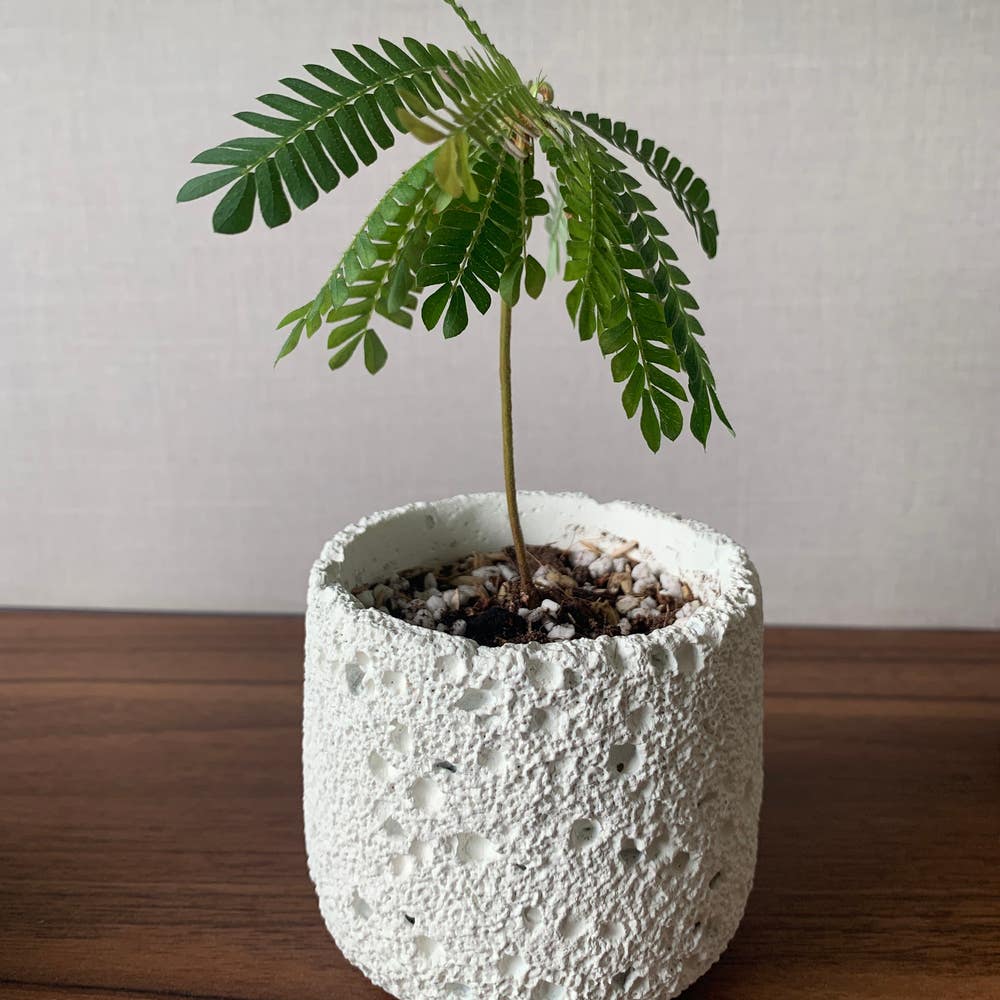
Why Is My Little Tree Plant Not Doing Well? 🌳
Biophytum sensitivum
By the Greg Editorial Team
Mar 09, 2024•5 min read
This article was created with the help of AI so we can cover more plants for you. May contain errors. See one? Report it here.
- Balance watering - yellow leaves mean too much, drooping means too little.
- Bright, indirect light prevents stunted growth and pale leaves.
- Consistent care - temperature, pests, and light management are key to plant health.
Water Woes: Striking the Right Balance
🚰 Over-watering and Under-watering
Yellowing leaves are the plant's way of saying, "Ease up on the H2O, buddy." This symptom, along with a soil that's more swamp than land, indicates over-watering. Conversely, drooping leaves signal an SOS for hydration, characteristic of under-watering.
Root of the problem: It's a tale of two soils. Waterlogged soil is a no-go, while soil dry as a bone is a clear cry for water. Both extremes stress out your Little Tree Plant, leading to a less than lush life.
Pouring over solutions: Adjusting your watering schedule is like fine-tuning an instrument. Aim for soil that's moist, like a wrung-out sponge, not dripping wet. Ensure your pot has proper drainage—it's like good plumbing for your plant.
🚰 Inconsistent Watering
Wilting and leaf drop are the drama queens of erratic watering. They're telling you that your watering routine is as unpredictable as a plot twist in a thriller.
Finding your flow: Create a consistent watering routine, but don't be a slave to the calendar. Adapt to your plant's needs, which change with the environment. Use a moisture meter or the trusty finger test to gauge the soil's mood before watering.
Light and Temperature: Creating a Cozy Environment
⚠️ Irregular Light Exposure
Spotting the Signs
Stunted growth and pale colors in your Little Tree Plant's leaves are telltale signs of irregular light exposure. These symptoms suggest it's time to reassess your plant's position in relation to light sources.
Solutions for Optimal Light
To combat these issues, position your plant in a spot with bright, indirect sunlight. If natural light is scarce, consider using grow lights. Remember to rotate your plant regularly for even light distribution and to introduce it to new lighting conditions gradually to avoid shock.
🌡️ Inconsistent Temperature
Recognizing Temperature Stress
Browning leaves and slowed growth are your plant's way of saying it's not happy with the temperature. These signs indicate that your cozy green friend is feeling the chill or suffering from temperature fluctuations.
Maintaining a Stable Climate
Keep indoor temperatures consistent to prevent your plant from experiencing temperature-induced stress. Steer clear of placing your plant near drafts or heat sources like radiators. Aim for a temperature sweet spot between 60-75°F (15-24°C) to keep your Little Tree Plant in its comfort zone.
Pests and Pathogens: Little Critters, Big Problems
🐛 Pests
Identifying the Culprits
Spider mites are the ninjas of the plant world, almost invisible until their webbing gives them away. Mealybugs look like tiny cotton swabs gone rogue, and scale insects could be mistaken for bizarre growths on your plant.
🛡️ Combat Strategies
For a green solution, introduce predators like ladybugs to feast on these pests. If you're in the mood for chemical warfare, insecticidal soaps or neem oil can be your weapons of choice. Always follow the instructions to the letter.
Mold, Fungus, and Root Rot
🦠 Spotting the Invaders
Mold and fungus crash the party as fuzzy growths on leaves or soil. Root rot is a sneakier guest, hiding beneath the surface until it's too late, turning roots into a soggy mess.
🚫 Eradication Tactics
When mold or fungus make an appearance, it's time to cut back on the watering and improve air circulation. If root rot has set in, you might need to repot your plant with fresh soil and trim away the damaged roots. Fungicides can serve as a shield, but remember, prevention beats cure.
Sunburn and Other Stress Signs
🌞 Leaf Scorching
When your Little Tree Plant's leaves develop crispy patches or fade in color, it's time to reassess its sunbathing habits. These are classic signs of too much direct sunlight, a condition known as leaf scorch.
🕵️ Identifying Sunburn
Look for leaves with brown, dry spots or areas where the vibrant green has turned pale. These symptoms indicate that the plant's pigments are overwhelmed by the sun's intensity.
🛡️ Preventing Crispy Patches
To prevent sunburn, position your plant in a location that receives bright, indirect light. If moving the plant isn't an option, consider using a sheer curtain to diffuse the sunlight.
🌴 Shady Solutions
During peak sun hours, especially in the summer, provide your plant with some form of shade. A shade cloth can act as a personal parasol for your Little Tree Plant, protecting it from the harshness of direct sunlight.
🌞 Environmental Considerations
Remember that sunburn can be exacerbated by other environmental factors, such as wind or heat. Find a spot for your plant that's sheltered from gusty windows and away from heat sources that could intensify the sun's effects.
Reviving and Thriving: Proactive Care for Your Little Tree Plant
🛡️ Preventative Measures
Cultivating care begins with observation. Regularly inspect your Little Tree Plant for early distress signals, such as discoloration or unusual leaf textures. Early detection can save your plant from the brink.
Consistency in care is non-negotiable. Establish a routine that includes checking the soil's moisture before watering, ensuring adequate light, and maintaining a stable temperature. Your plant's feedback will guide fine-tuning.
🩺 Regular Check-Ups
Think of routine checks as your plant's health check-ups. Look for signs of pests, nutrient deficiencies, or environmental stress. Adjust care as seasons change; your plant's needs will fluctuate with the weather.
Pruning isn't just aesthetic; it's preventive. Remove dead or damaged foliage to redirect energy to healthy growth. This also helps prevent disease spread by eliminating potential breeding grounds for pests.
Environmental control is crucial. Monitor and adjust humidity levels, ensure proper airflow to discourage fungal growth, and protect your plant from extreme temperatures. Your vigilance is the armor your Little Tree Plant needs to thrive.
Remember, proactive care is about nurturing resilience. By investing in regular maintenance and responding to your plant's needs, you're setting the stage for a robust Little Tree Plant that can withstand the occasional hiccup.
⚠️ Safety First
This content is for general information and may contain errors, omissions, or outdated details. It is not medical, veterinary advice, or an endorsement of therapeutic claims.
Always consult a qualified healthcare professional before using any plant as food, medicine, or supplement.
Never eat any plant (or feed one to pets) without confirming its identity with at least two trusted sources.
If you suspect poisoning, call Poison Control (800) 222-1222, the Pet Poison Helpline (800) 213-6680, or your local emergency service immediately.
Spotted an error? Please report it here.
Nurture your Little Tree Plant back to health with consistent care 🌿 and let Greg remind you when it's time for water, light adjustments, and pest checks.