What Should I Do When Little Tree Plant Leaves Turn Yellow? 🍂
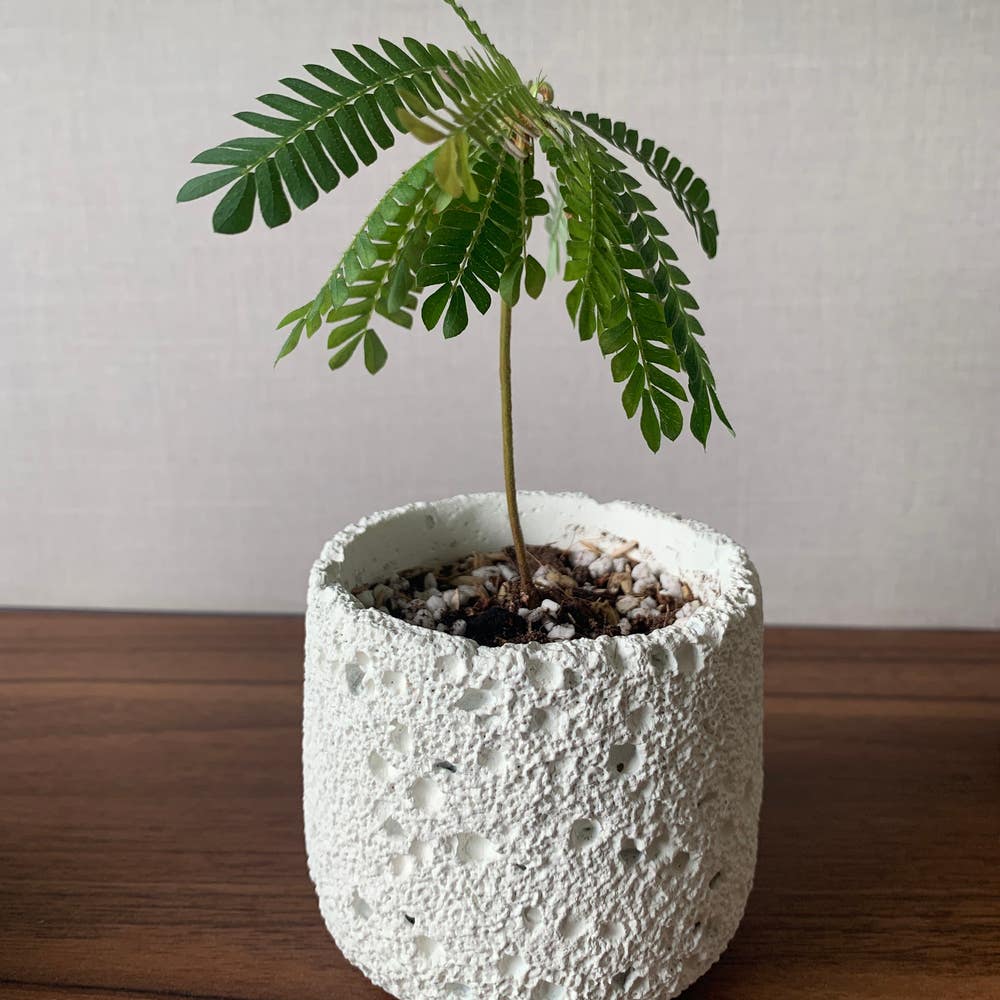
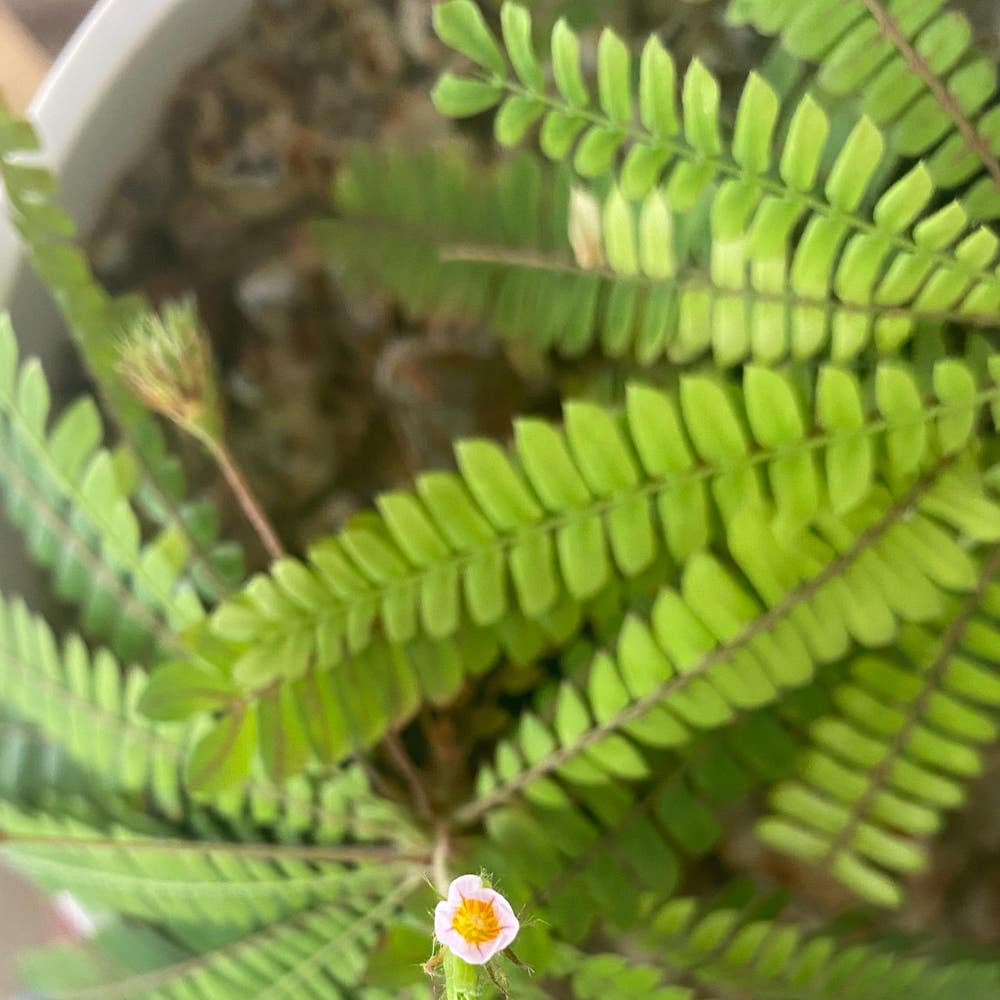
Biophytum sensitivum
By the Greg Editorial Team
Mar 09, 2024•3 min read
This article was created with the help of AI so we can cover more plants for you. May contain errors. See one? Report it here.
- 🍂 Rapid yellowing signals plant distress, especially in new growth.
- 💧🌞 Balance water and light to prevent yellow leaves.
- 🌱 Regular health checks and care schedule maintain plant vibrancy.
Spotting the Trouble Signs
🟨 Recognizing Yellow Leaves
Yellowing leaves are the plant's version of a distress signal. Natural aging is when the lower, older leaves turn yellow and drop off. But, if the yellowing is rapid or affects new growth, your plant is waving a red flag.
Assessing the Severity
To gauge the severity, look at the extent of yellowing. A few yellow leaves might not spell disaster, but a plant decked out in yellow could be in serious trouble. Stunted growth or wilting alongside yellowing leaves should set off your internal alarms.
Getting to the Root of the Problem
💧 Water Woes: Too Much or Too Little
Yellowing leaves can be a red flag for overwatering, while crispy tips scream dehydration. To strike a balance, let the soil dry out before giving your plant another drink. If the soil feels like a swamp, it's time to back off the watering can. Root rot? You might need to play surgeon and trim away the damage. Keep a close eye on your plant's reaction to your watering adjustments; it's like a living mood ring.
🌞 Light Levels: Finding the Sweet Spot
Leaves don't lie when it comes to light exposure. Too much light and they might look like they're begging for sunglasses, too little and they're practically yawning for more. The goal is to find that Goldilocks zone of bright, indirect light. Think about moving your plant to a spot that's just right—not too sunny, not too shady. Rotate your plant regularly to ensure even growth and consider a grow light for those gloomy months.
🍽️ Feeding Your Plant: Nutrient Needs
Yellow leaves might be your plant's way of saying it's hungry for nutrients like nitrogen. If it's looking a bit spindly, it could be hinting at a potassium deficiency. Don't just guess; a soil test is like a wellness check that tells you exactly what's missing. When it comes to fertilizer, think of it as a plant diet—too much and you'll spoil it, too little and it'll sulk. Remember, moderation is key.
Immediate Actions to Revive Your Plant
💧 Adjusting Your Watering Habits
Check the soil before you water—stick your finger in. If it's dry an inch down, it's time to water. If not, hold off. Overwatering is a common misstep, so be vigilant.
☀️ Tweaking the Light Situation
Move your plant to a spot with bright, indirect light. Too much sun can scorch, too little can weaken. It's a delicate dance, but getting it right can mean the difference between thriving and barely surviving.
🍽️ Supplementing Nutrients
Yellow leaves might scream nutrient deficiency. A balanced fertilizer could be the hero your plant needs. Follow the package's instructions to the letter—overdoing it can be just as bad as doing nothing at all.
Keeping the Green: Prevention Strategies
📅 Establishing a Care Schedule
Creating a routine is crucial for Little Tree Plant health. It's like setting alarms; they keep you on track. Watering, feeding, and pruning should be as regular as your favorite TV show's weekly episode.
👀 Regular Health Checks
Inspect your plant like it's a car at a checkpoint. Look for early distress signals in leaf color and texture. Spotting issues early is like catching typos before hitting send—essential for maintaining your plant's well-being.
⚠️ Safety First
This content is for general information and may contain errors, omissions, or outdated details. It is not medical, veterinary advice, or an endorsement of therapeutic claims.
Always consult a qualified healthcare professional before using any plant as food, medicine, or supplement.
Never eat any plant (or feed one to pets) without confirming its identity with at least two trusted sources.
If you suspect poisoning, call Poison Control (800) 222-1222, the Pet Poison Helpline (800) 213-6680, or your local emergency service immediately.
Spotted an error? Please report it here.
Revive your plant's vibrant foliage 🍃 with Greg's help in pinpointing the perfect watering and light conditions from these essential care tips!