🌱 Should I Repot My Little Tree Plant And If So, How?
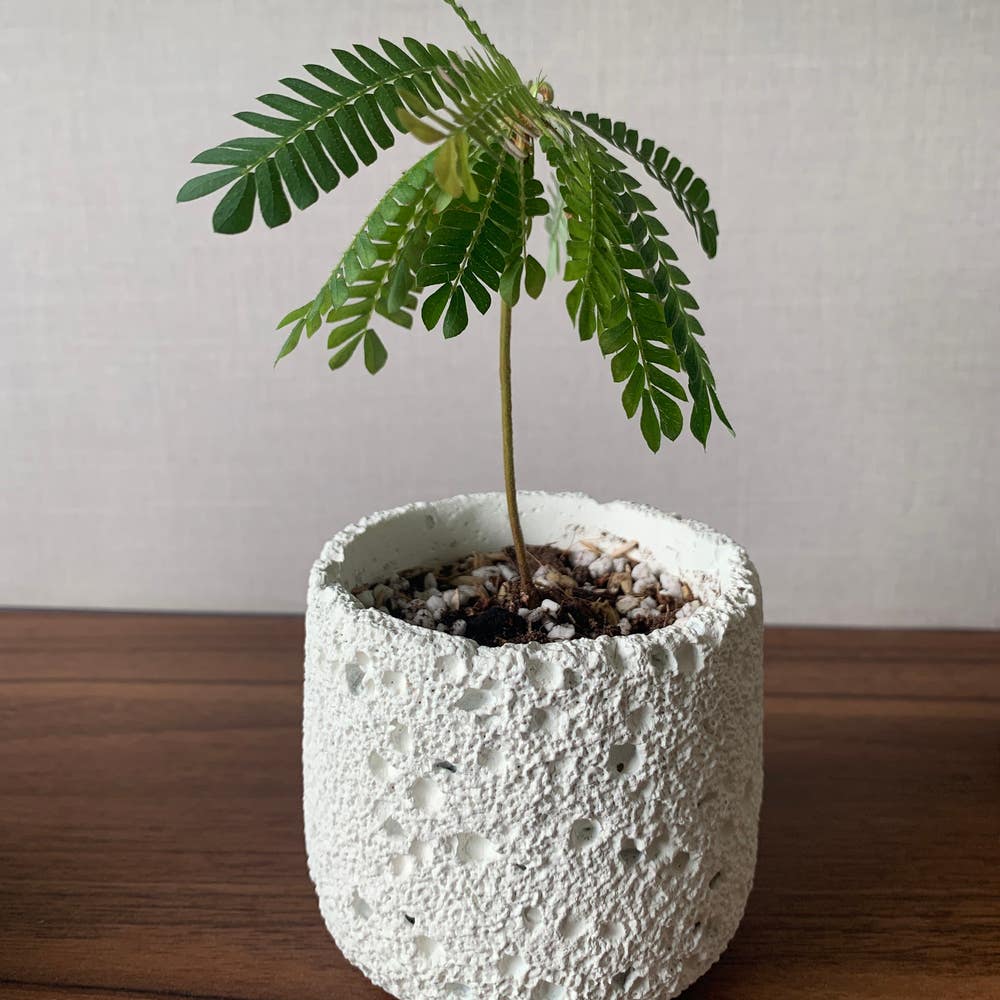
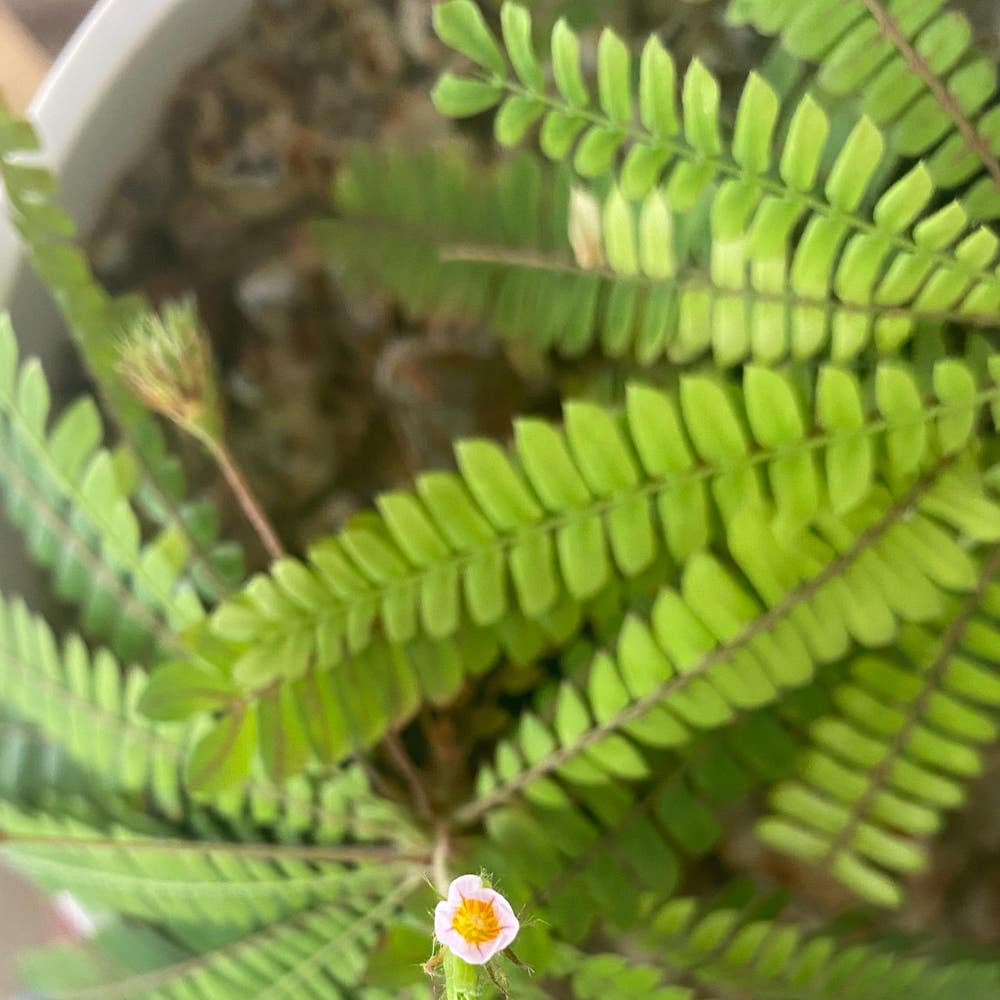
Biophytum sensitivum
By the Greg Editorial Team
Mar 09, 2024•4 min read
This article was created with the help of AI so we can cover more plants for you. May contain errors. See one? Report it here.
- Overflowing roots? Time to repot your Little Tree Plant.
- 🌱 Spring repotting aligns with your plant's growth surge.
- Choose the right pot: Consider material, drainage, and size.
Spot the Clues: Is It Time to Repot?
🌱 Root Tango: Tangled Roots and Other Telltale Signs
Roots should be comfortably underground, not peeking out like nosy neighbors. Overflowing roots at the pot's bottom or surface soil signal a tight squeeze. It's like your plant's wearing jeans two sizes too small.
💧 Thirsty Much? Watering Woes as a Repotting Red Flag
When water races through the pot faster than a teenager late for a date, take note. Quick-draining soil suggests roots have taken over, leaving no room for moisture. It's a parched cry for a new, roomier residence.
📏 Growth Spurts: When Your Plant's Size Says It All
If your green buddy's growth has hit a wall, it's not just being lazy. A growth plateau indicates it's time for a change of scenery. Think of it as upgrading to a bigger apartment after a promotion.
The Repotting Rundown: Timing and Techniques
⏰ Calendar Check: Picking the Perfect Time to Repot
Spring is the sweet spot for repotting your Little Tree Plant. It's when your plant's energy is surging and it's primed for growth. Avoid winter; your plant is snoozing, and repotting could rudely awaken it. Early fall is a maybe—if you're a risk-taker and your plant is still showing signs of life.
🛠 Step-by-Step: Gently Transitioning to a New Home
Gather your gear—a new pot, fresh soil, and a pair of sharp scissors. Ease your plant out of its old pot; a tap might help if it's clinging on. Place it center stage in its new pot, ensuring the root ball's top is soil-level. Think of it as setting the horizon line in a painting—no deep burials or mountain peaks.
🌱 Root Health 101: Examining and Prepping the Root Ball
Roots should be firm and white, a sign of good health. Snip any black or mushy ones—it's not a haircut, it's a vital trim. If roots are circling, gently untangle them. Encourage them to explore their new space by making a few strategic cuts. Remember, you're not a sculptor; you're a gardener.
Choosing the Best Pot for Your Little Tree Plant
🏺 Material Matters: Terracotta vs. Plastic vs. Ceramic
Terracotta pots are the OG of plant containers, letting roots breathe easy and cutting down on the dreaded root rot. But they're thirsty beasts, guzzling water at a rate that'll have you reaching for the watering can more often than you'd like. Plastic pots are the lightweight champs, easy to shuffle around but with a clingy side—they hold onto moisture like a needy ex. Ceramic pots? They're the middle ground, less porous than terracotta, but still with some breathability—plus, they up your style game.
🚰 Drainage and Aeration: Ensuring a Breathable Abode
Drainage isn't just a good idea; it's a must. Without it, you're basically giving your plant's roots a one-way ticket to Soggy Town. Terracotta and ceramic pots usually come with holes in the bottom, but if you're going plastic, you might need to play handyman and drill some yourself. And let's not forget about aeration—roots love a little air dance, and a pot that allows for that will keep them happy and healthy.
🚫 What to Avoid: Steering Clear of Potting Pitfalls
Now, let's talk no-nos. Oversized pots might seem like a generous gesture, but they can make your plant's roots feel lost and overwhelmed, leading to overwatering and soil that stays wet for too long. And while we're at it, ditch any pot without drainage holes—unless you're aiming for a mini swamp. Stick to the right size, ensure those holes are present, and your Little Tree Plant will be throwing you grateful vibes.
Post-Repotting Care: Helping Your Plant Settle In
💧 The First Watering: When and How Much
After the repotting hustle, water thoroughly—just once. Then, play the waiting game and let the top inch of soil dry out before the next watering. Overwatering is the helicopter parenting of plant care; it's well-intentioned but can lead to soggy soil disasters.
🌞 Light and Location: Finding the Sweet Spot
Your Little Tree Plant craves bright, indirect sunlight and a consistent spot to call home. Shield it from harsh rays with a sheer curtain if needed. Remember, plants are creatures of habit; they don't appreciate a game of musical chairs.
🚨 Stress Signals: Keeping an Eye Out for Adjustment Issues
In the post-repotting world, droopiness can be normal, but if your plant is still sulking after a week, it's time to intervene. Yellow or brown leaves are a cry for help—adjust watering accordingly. Rotate the pot occasionally for even growth, but avoid giving your plant a full-on relocation. Keep an eye out for unwanted guests like pests or fungi, and be ready to act with a fungicide if things get too wild. Patience is key; give your plant time to bounce back.
⚠️ Safety First
This content is for general information and may contain errors, omissions, or outdated details. It is not medical, veterinary advice, or an endorsement of therapeutic claims.
Always consult a qualified healthcare professional before using any plant as food, medicine, or supplement.
Never eat any plant (or feed one to pets) without confirming its identity with at least two trusted sources.
If you suspect poisoning, call Poison Control (800) 222-1222, the Pet Poison Helpline (800) 213-6680, or your local emergency service immediately.
Spotted an error? Please report it here.
Ensure your little tree plant's roots have the space to grow 🌳 by using Greg to remind you when it's time to repot and how to do it right from these expert tips!